Turmeric Coriander Bread with Seeni Sambol

May this special day of Wesak, which celebrates the day of birth, enlightenment and death of Buddha, bring you peace!

Nil manel

Blue water-lily – the national flower of Sri Lanka

I am sharing this post on Angie’s challenge for this month with my recipe for turmeric coriander bread filled with seeni sambol. Ever since I started baking last year, I have found that I enjoy baking different types of bread. One of my favourite and successful breads is rosemary olive oil bread (recipe source: Jessie@A Hint of Honey). Using her recipe as a base, I have sometimes played around with herbs to make different versions of the bread and today, I would like to share my Sri Lankan twist to this bread.
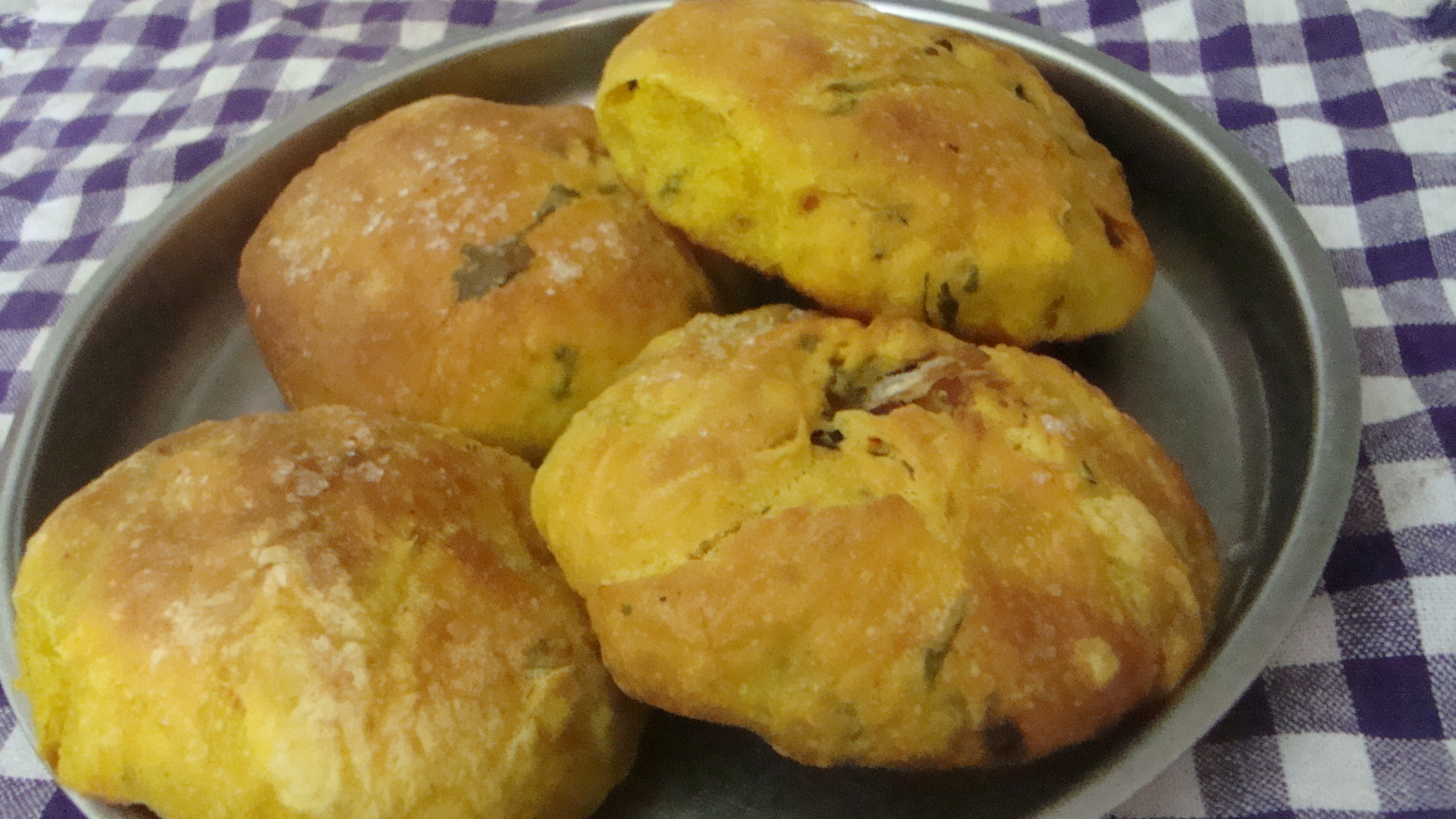
Turmeric bread

Turmeric Coriander Bread with Seeni Sambol

  • Servings: 4
  • Difficulty: average
  • Print

Ingredients:

  • Flour – 2 to 2 ½ cups, approximately
  • Turmeric – 1 tsp
  • Coriander – 2 to 4 tbsp fresh coriander leaves (as per your taste) or 1 tsp dried powder
  • Pepper – pinch
  • Salt – ½ tsp
  • Sesame/ Gingelly oil – 2 tbsp
  • Warm water – 1 cup
  • Sugar – 1 tbsp
  • Yeast – 2 tsp
  • Seeni Sambol – recipe provided in this post

Method:

  1. Stir in 1 tbsp sugar and 2 tsp yeast in 1 cup of warm water in a mixing bowl and let it sit for about 10 mins till it becomes frothy.
  2. Sift the flour and set aside.
  3. Add a cup of flour to the yeast mixture and add the salt, turmeric, pepper, chopped coriander or powder to the mixing bowl.
  4. Mix well before adding the sesame oil and add the remaining flour ¼ cup at a time till the dough is formed. Knead for a few minutes till it is smooth.
  5. Lightly dab the mixing bowl with a little oil and cover, leaving the dough to rise for about an hour.
  6. Transfer the dough to a floured surface and roll out the dough.
  7. Spread the seeni sambol mixture over the surface. Starting from one end, roll the dough into a log.
  8. You could leave the dough as a log or connect the ends to make a round bread or cut into 8 equal pieces. If you cut into 8 pieces, make each piece into a ball ensuring that the ends are closed and that the filling is not seeping out of the dough.
  9. Transfer the dough to a lightly greased baking tray. Cover and refrigerate till about 30 minutes before you plan to bake.
  10. Leave the tray out in the kitchen for about 30 minutes before brushing the bread with either a little melted margarine or dissolved sugar.
  11. Bake the bread at 175⁰C/340⁰F for 20 mins. Check at intervals as the baking time differs depending on the oven.
  12. Serve warm with a nice vegetable soup.


”Fiesta

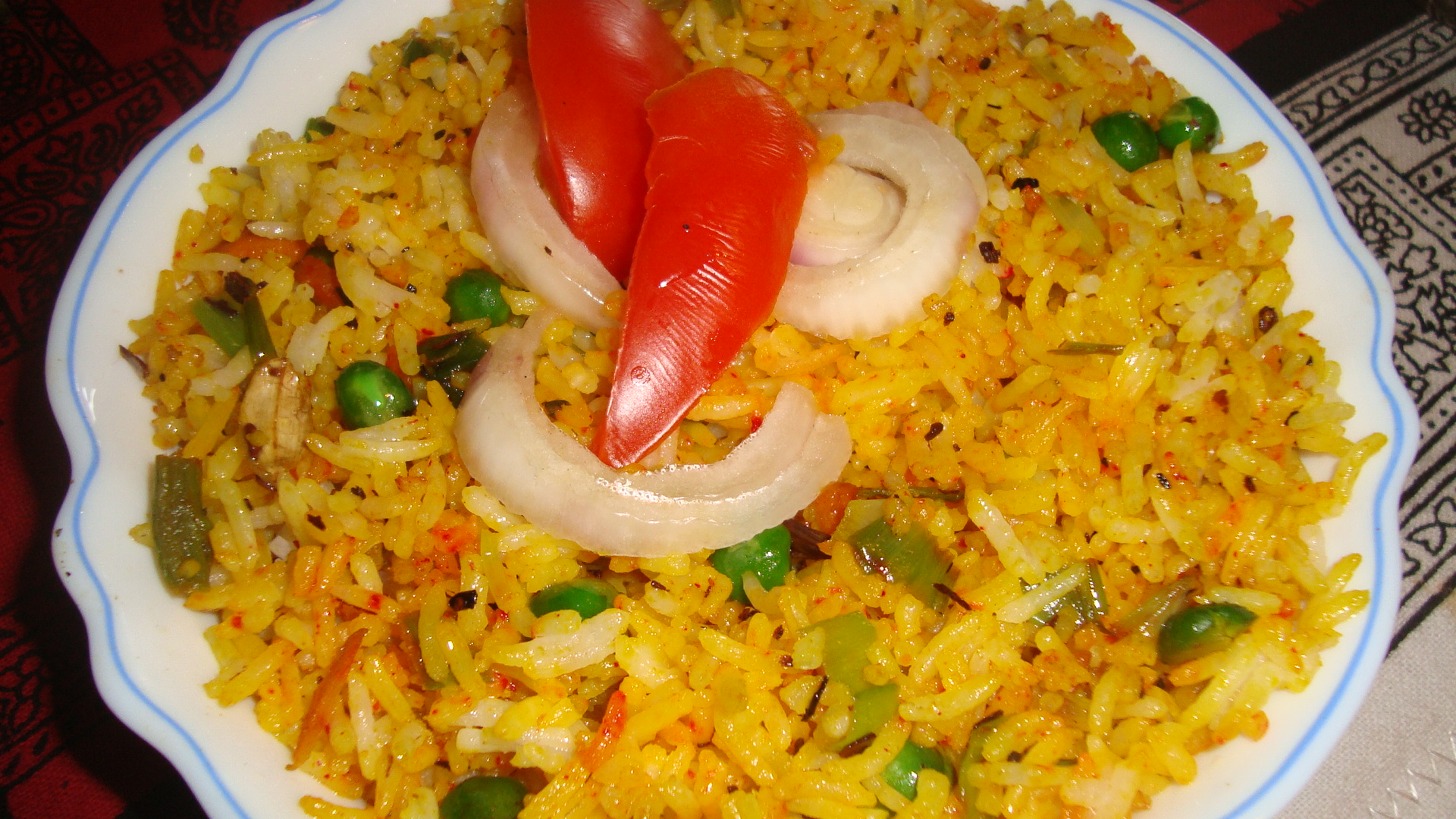
Repost: Fried Rice

I wish to wrap up the rice series by re-posting a delicious fried rice recipe from the first month of this blog.

Fried riceTo go with this post, I chose to feature two musicians who were born in Sri Lanka and started their music careers here. They have expanded their musical repertoire since moving/ migrating to the west in the 80s and have made some impressive music.

The first musician to be featured today is Carnatic musician Manickam Yogeswaran. While primarily a classical musician, he has worked with several music groups including fusion group Dissidenten on the Instinctive Traveller album and Jocelyn Pook Ensemble on the sound track of ‘Eyes wide shut‘ and ‘Brick Lane.’

This song is a recording of a bhajan at the sacred music and dance festival held in Berlin last year.

I also wanted to share a song from his 2005 album ‘Peace for Paradise.’

Finishing this post with an upbeat song – Herb Alpert and Lani Hall Quintet’s version of Puttin’ on the Ritz from their grammy award-winning album Steppin’ Out. The second musician I am featuring today is Hussain Jiffry, the bassist in this quintet. He has worked with several musicians including Sérgio Mendes and Yanni.

Enjoy a lovely sunday!

Fried Rice

  • Servings: 4
  • Difficulty: easy
  • Print

Fried Rice Ingredients:

  • Basmathi rice – 2 cups
  • Carrot – ¼ cup, chopped
  • Green peas – ¼ cup
  • Leeks – ¼ cup, chopped
  • Onion – ¼ cup, chopped
  • Mixed 3C spice powder – clove, cinnamon, cardamom powder – 2 tsp
  • Kesari powder – ½ tsp (can use biryani powder or saffron or turmeric powder)
  • Low fat margarine – 50g or 3 tbsp
  • Cinnamon – 1 ~ 2’’ stick
  • Rampe leaf/ pandan
  • Salt, to taste

Method:

  1. Cook the rice together with a cinnamon stick, rampe leaf and a little salt.
  2. Chop up the vegetables and sprinkle a little salt over them. Keep aside.
  3. Heat the margarine in a pan over low heat.
  4. Add the mixed 3C spice powder and sauté for a couple of seconds before adding the chopped vegetables.
  5. When the veggies become tender, add the kesari powder.
  6. Add the cooked rice and mix well.
  7. Serve warm.

Recipe source: Raji Thillainathan.

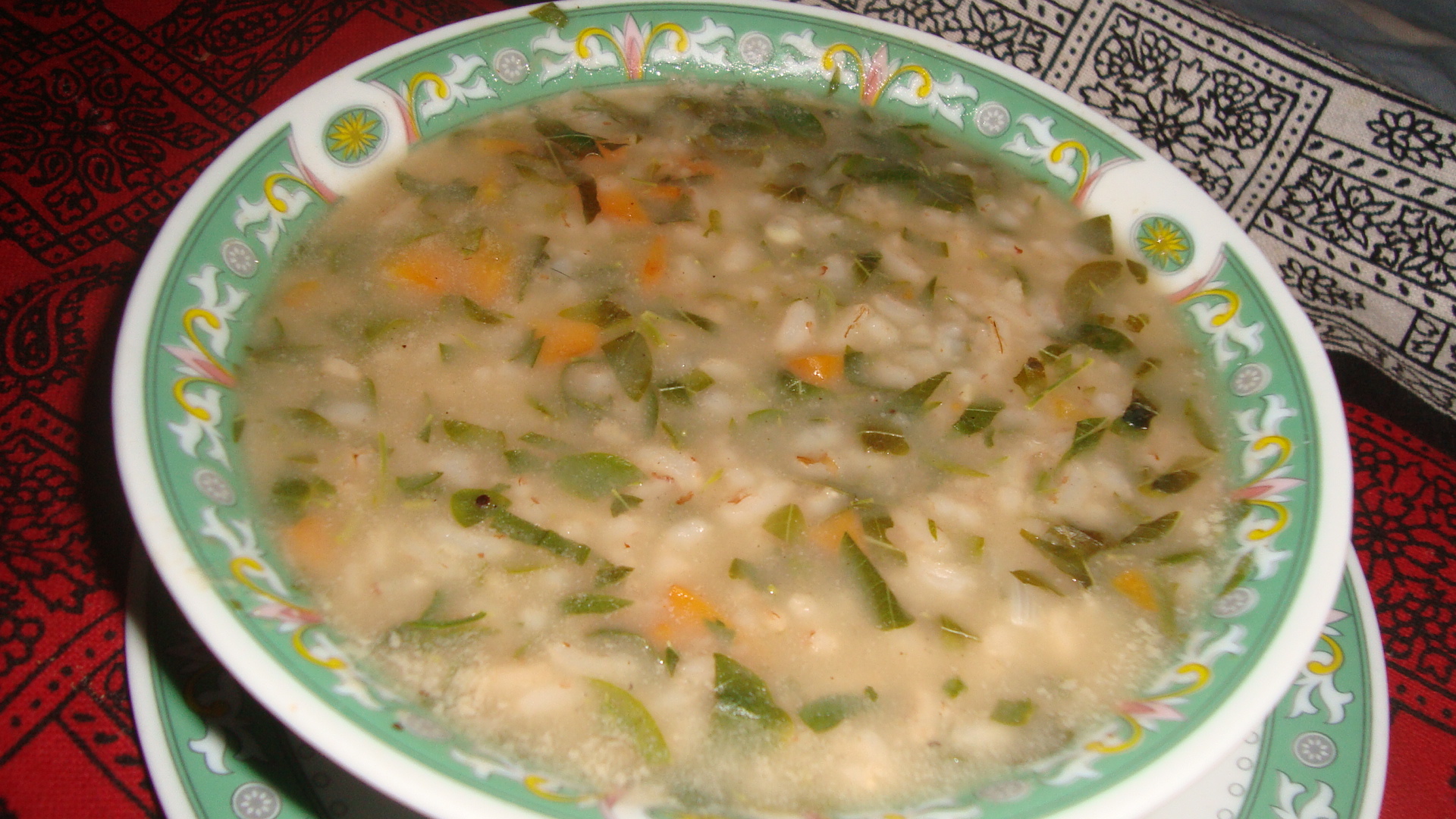
Repost: Murungai Ilai Kanji

As part of the rice series, I thought I would repost the recipe for a rice porridge that I had originally posted during the first month of this blog last year. I like this murungai ilai/ moringa leaves rice porridge that my mother occasionally makes.

Murungai Ilai KanjiFurther, as I am reposting an older post, I thought it fitting to feature two musicians famous for their baila music from the 70s and 80s. Baila music is a form of popular Sri Lankan music that has its roots in the Kaffringha music of Sri Lanka. The Kaffringhas are descendants of Africans who were brought to Sri Lanka during the European colonial era and with them came a unique mix of creole music and dance that found its way to mainstream Sri Lankan music in the 60s and came to be known as Baila.

While personally not a fan of Baila music, I find some interesting.

The first baila song I will share today is ‘Cooranjaneetha Thurannai’ from the early 70s by A.E.Manoharan, an actor and a famous baila singer and composer both in Sri Lanka and in Tamil Nadu, India. I consider his most popular hit song as ‘Surangani‘ which he first wrote and composed in Sinhala then in the bilingual Sinhala and Tamil version which became very popular in South India that several versions of the song have been made since.

The second baila song is that of the Gypsies. The peak period of this group was in the 70s to the 90s. Their last album released in 2001 was called Ai (Why?) and included several baila songs satirizing the local socio-political environment. While I most remember their peace song ‘Lowe Sama‘ that was continuously played on TV and radio stations throughout the 80s and 90s, in keeping with the baila music of this post, I thought I would share a song from there last album here.

Enjoy the baila songs while preparing this kanji! 🙂

Murungai Ilai Kanji

  • Servings: 1-2
  • Difficulty: easy
  • Print

Ingredients:

  • Red raw rice – 3 tbsp
  • Murungai ilai/ Moringa leaves – 3 tbsp, chopped or ground
  • Carrot – ¼, chopped
  • Onion –1 tsp, chopped
  • Bean – 1, chopped
  • Pepper – ¼ tsp
  • Salt, to taste
  • Lime juice, to taste

Method:

  1. Cook the rice in a pan with 1 cup of water for about 5 mins.
  2. Add all the chopped vegetables and cook for another 10 – 15 mins.
  3. Add the salt and pepper, to taste. Mix and cook for a couple of minutes before removing from the heat.
  4. Drizzle some lime juice over the kanji before serving it hot.

Recipe source: Raji Thillainathan.

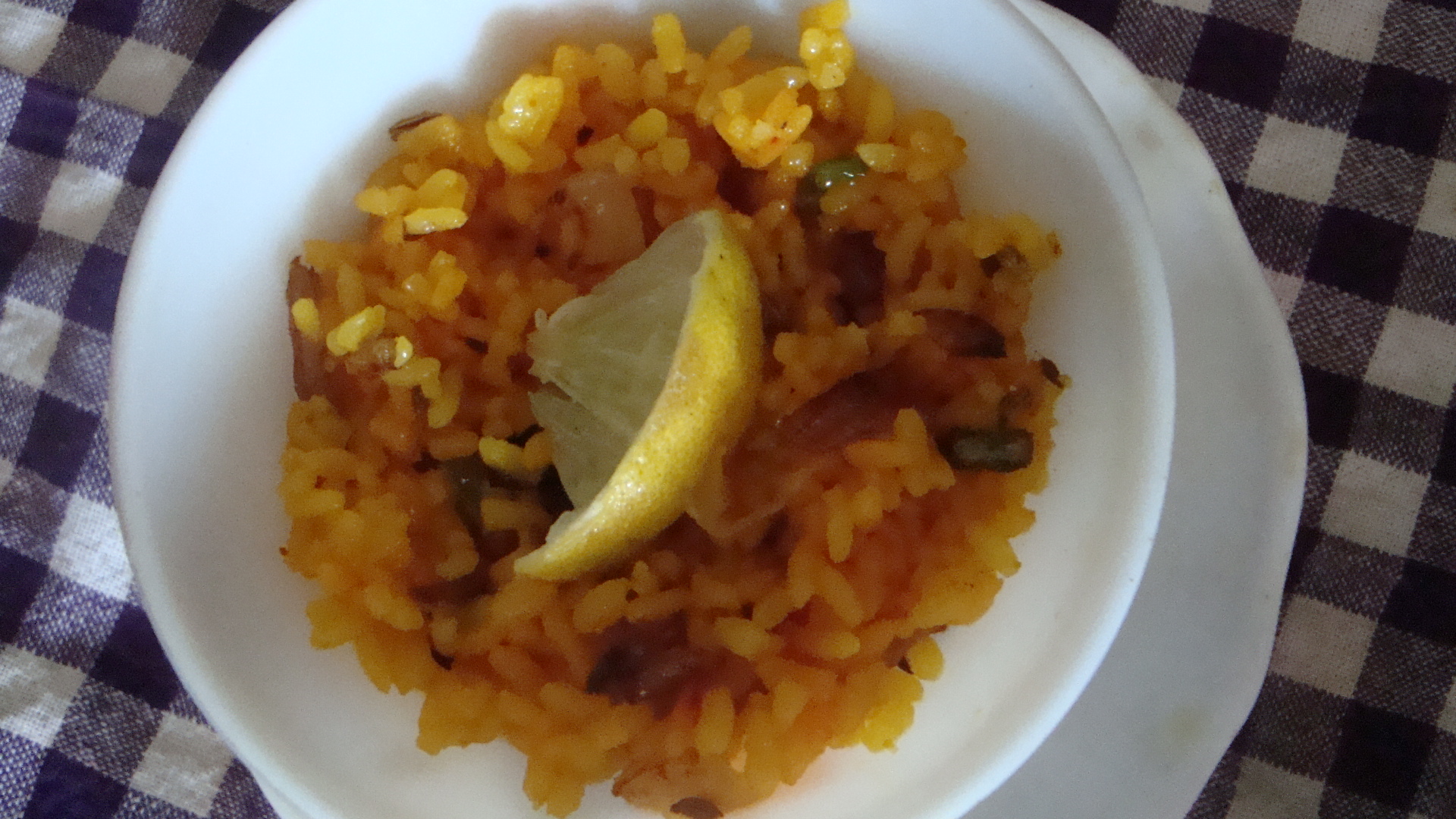
Lime Rice

The rice dish for today is lime rice.
Lime rice
The featured musician today is Ravibandhu Vidyapathi, who is one of Sri Lanka’s leading percussionists as well as a classical Kandyan dancer and choreographer. He founded the dance school ‘Ravibandhu-Samanthi Narthanayanathaya’ with his wife.

I like his drum ensemble and have selected a clip from his album ‘Bahu Ranga‘ to share here.

Lime Rice

Time taken: 20 mins

Serves 2 – 3

Lime rice 2Ingredients:

  • Rice – 1 cup
  • Turmeric – ½ tsp
  • Lime or lemon juice – 1 or 2 tbsp
  • Onion – ½, chopped
  • Dried red chillies – 1 or 2, as per taste
  • Fenugreek seeds – 1 tsp
  • Green peas – 2 tbsp, boiled
  • Salt, to taste
  • Sesame/ Gingelly oil – 1 tbsp

Method:

  1. Boil the rice after adding turmeric and salt.
  2. Once the rice is boiled and slightly cooled, add the lime juice and mix well. Keep aside to let the rice absorb the lime juice.
  3. Heat a tablespoon of sesame oil in a pan and lightly fry the chopped onion, chillies and fenugreek seeds.
  4. Add the lime marinated rice to the pan and stir fry for 5 mins. Add boiled green peas, if required.
  5. Serve warm.

Recipe source: Raji Thillainathan.

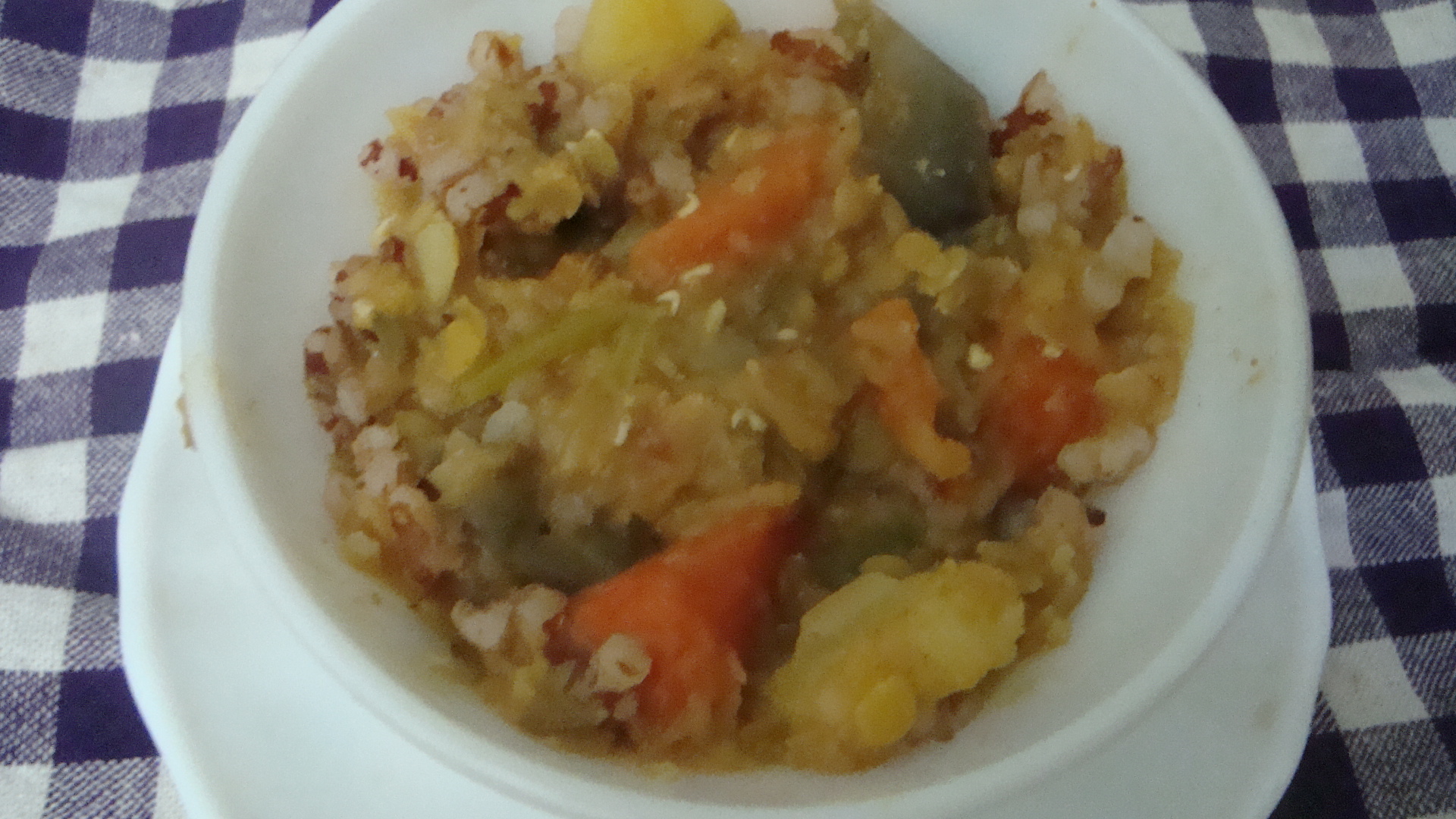
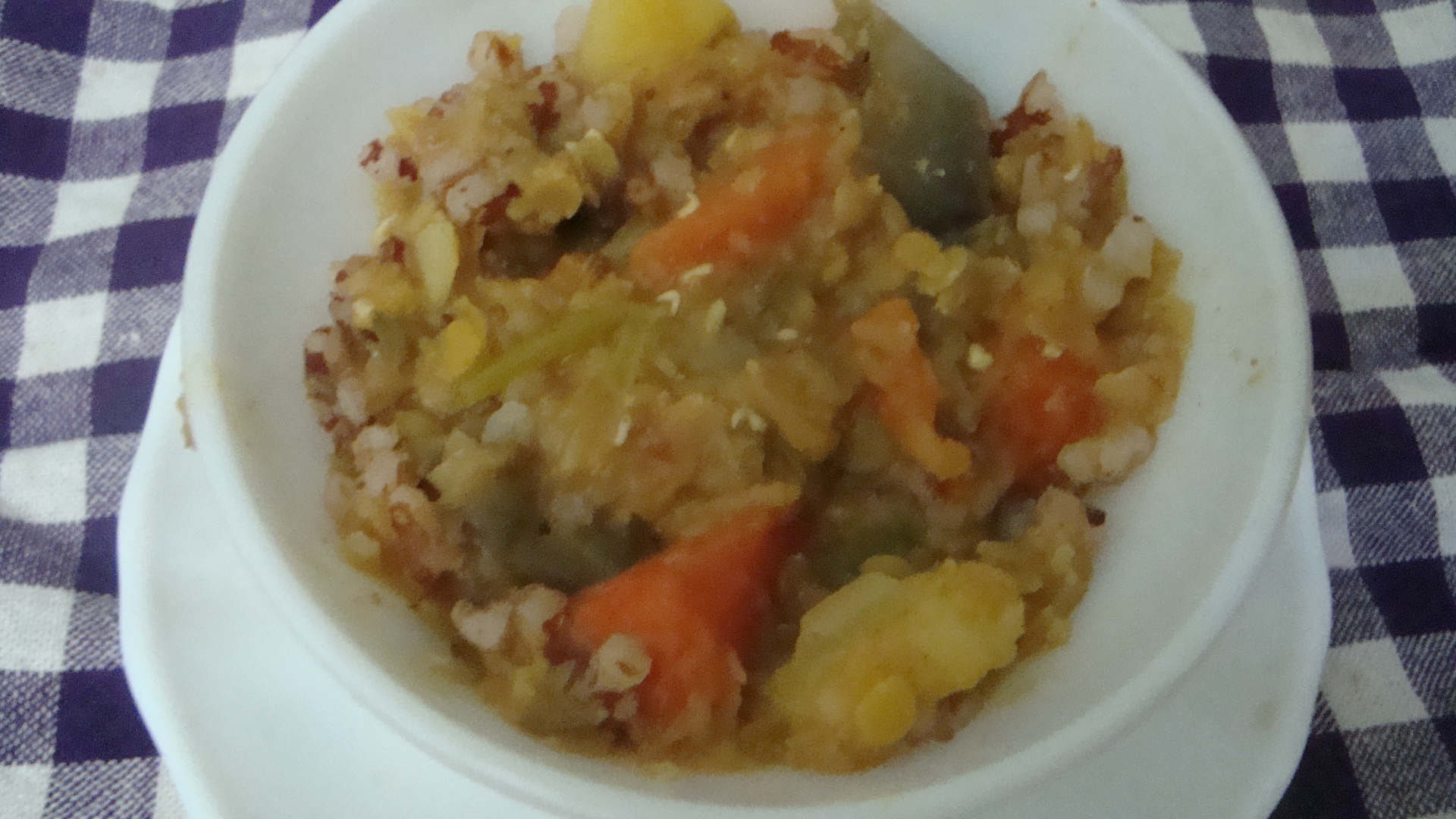
Sambhar Rice

The rice dish for today is Sambhar Rice.

Sambhar RiceAs sambhar refers to a mixed vegetable stew like dish, I thought of mimicking the dish in my featured music groups today.

Starting with Thriloka, a fusion band formed in 2005 blending traditional Sri Lankan folk music and progressive rock.

The second clip features Paranoid Earthling, whose music is a blend of experimental and psychedelic rock. The song shared here was first performed by them on the international peace day in 2008.

The last clip features Chitral Somapala and Civilization One, a power metal band, which is not a Sri Lankan band but I decided to feature them by extending the definition to include the Sri Lankan who launched the band.

Enjoy the Sri Lankan rock music scene as you try out the recipe!

Sambhar Rice

Time taken: 45 mins

Serves 4

Sambhar rice2

Ingredients:

  • Par-boiled red rice – 1 cup
  • Carrots – ½ cup, chopped
  • Beans – ½ cup, chopped
  • Brinjal – ½ cup, chopped
  • Mysore dhal – ¼ cup
  • Onion – ½, chopped
  • Chilli – 1, chopped
  • Curry leaves – 1 sprig
  • Tamarind juice – ½ cup
  • Curry powder – 1 tsp
  • Pepper – ½ tsp
  • Garlic cloves – 4 or 5, crushed
  • Salt, to taste

Method:

  1. Boil the rice and keep aside.
  2. Separately, cook the vegetables (carrots, beans and brinjal) and dhal together with the chopped onion, chilli and curry leaves in a cup of water.
  3. When the water dries up, add the tamarind juice add the curry powder, pepper powder, crushed garlic cloves and salt to the vegetables.
  4. Once the sambhar starts to thicken, add the rice, mix well and let it simmer for 5 to 10 mins.
  5. Serve the sambhar rice with pappadum.

Recipe source: Raji Thillainathan.

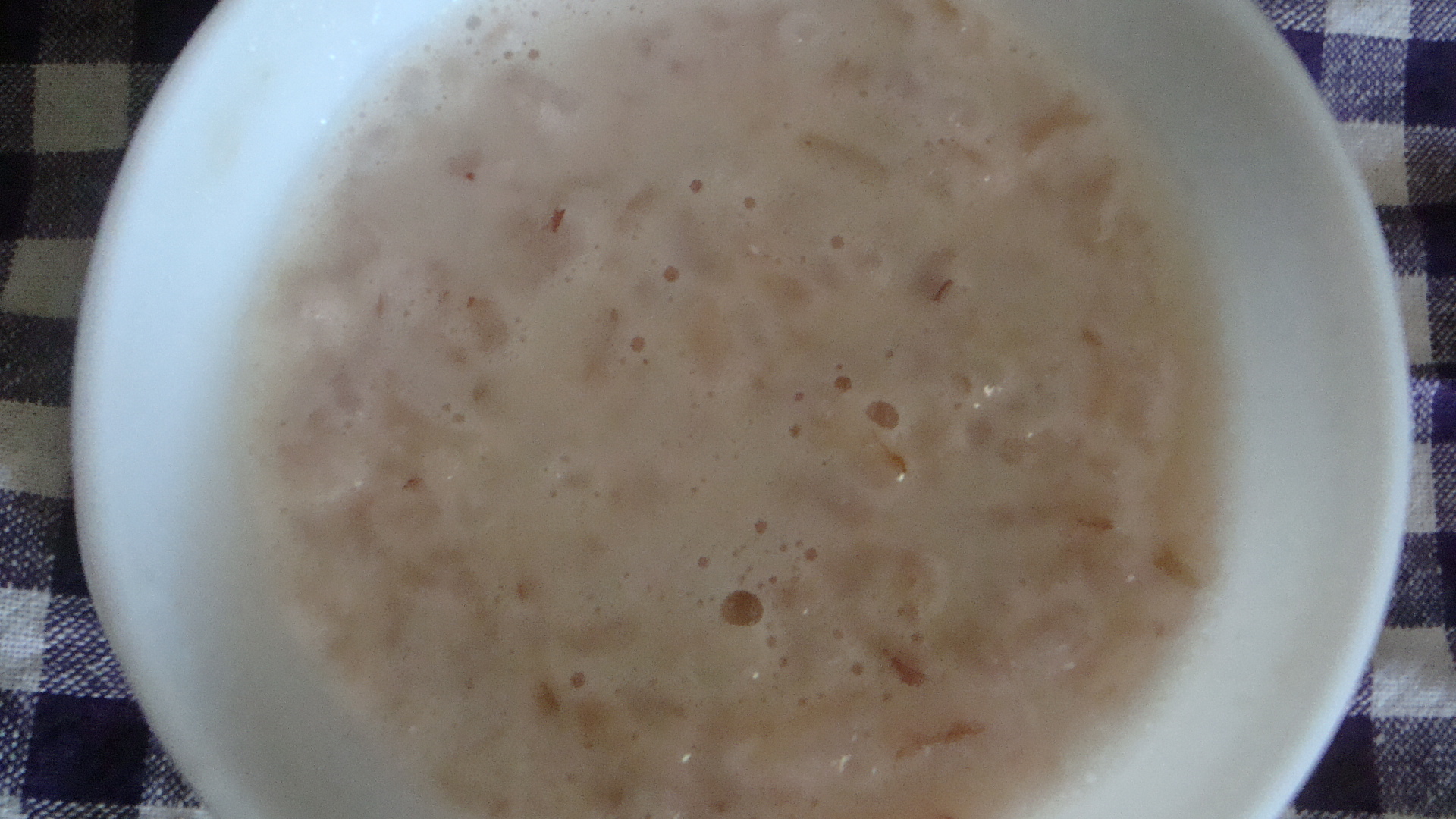
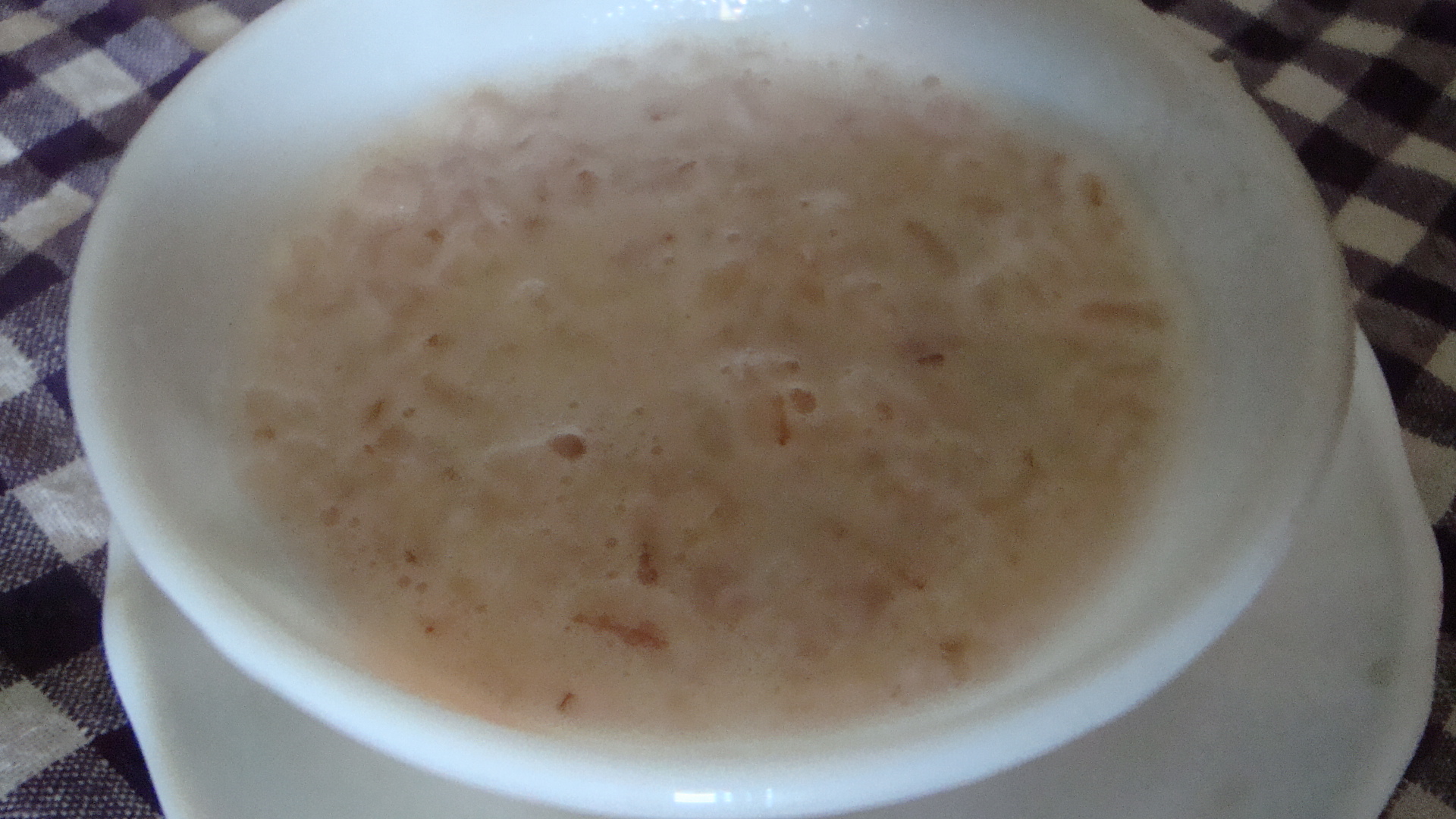
Kanji

Today’s dish is Kanji or rice porridge, a favourite of my father.

Kanji

The featured musician today is Pradeep Ratnayake. Given that one of my favourite musicians is Ravi Shankar, it follows that I also appreciate the music of the two best contemporary sitar players in Sri Lanka – Pradeep Ratnayake and Sarangan Sriranganathan (whom I featured in yesterday’s post). Pradeep Ratnayake’s sitar training started at the age of five and he eventually chose a degree in sitar at Santiniketan over a degree in mathematics. Among other concert performances, he initiated his Pradeepanjalee concerts in 1997 which has become an annual concert performed usually at a different location around the world.

The first piece of Pradeep Ratnayake shared here is an original composition titled ‘Kuweni Concerto for sitar, cello and orchestra: Movement 1.’

The second piece is Wine-coloured moon (Melbourne version) with Joe Chindamo (piano), Alston Joachim (bass) and Daniel Farrugio (drums).

Enjoy the instrumental music clips while trying out the rice porridge (Kanji).

Kanji

Time taken: 20 mins

Serves 2

Kanji2Ingredients:

  • Red raw rice – 2 tbsp
  • Milk (Coconut or non-fat)  – 1 cup
  • Water – 1 cup
  • Salt, to taste
  • Pepper – ¼ tsp (optional)
  • Garlic – 2 or 3 cloves, chopped (optional)
  • Sugar – 1 tsp (optional)

Method

  1. Cook 2 tbsp of red raw rice in 1 cup of water for about 10 – 15 mins.
  2. Once the water dries up, add the milk to the cooked rice along with a pinch of salt. The optional ingredients such as pepper and garlic can be added now, if required. Cook for about 5 mins.
  3. Transfer to the serving bowls. Add a dash of sugar, if you like. Serve warm.

Recipe source: Raji Thillainathan.

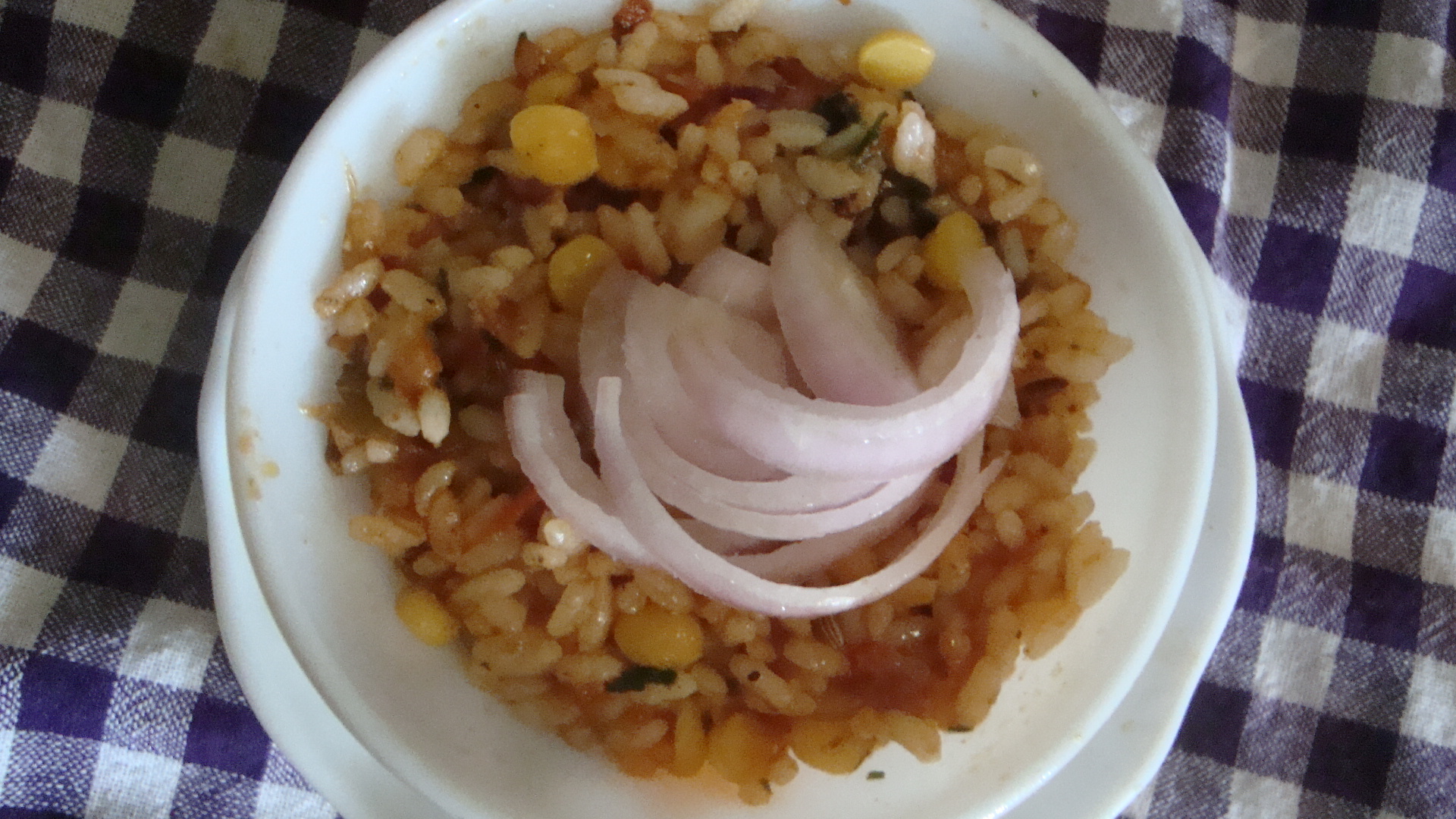
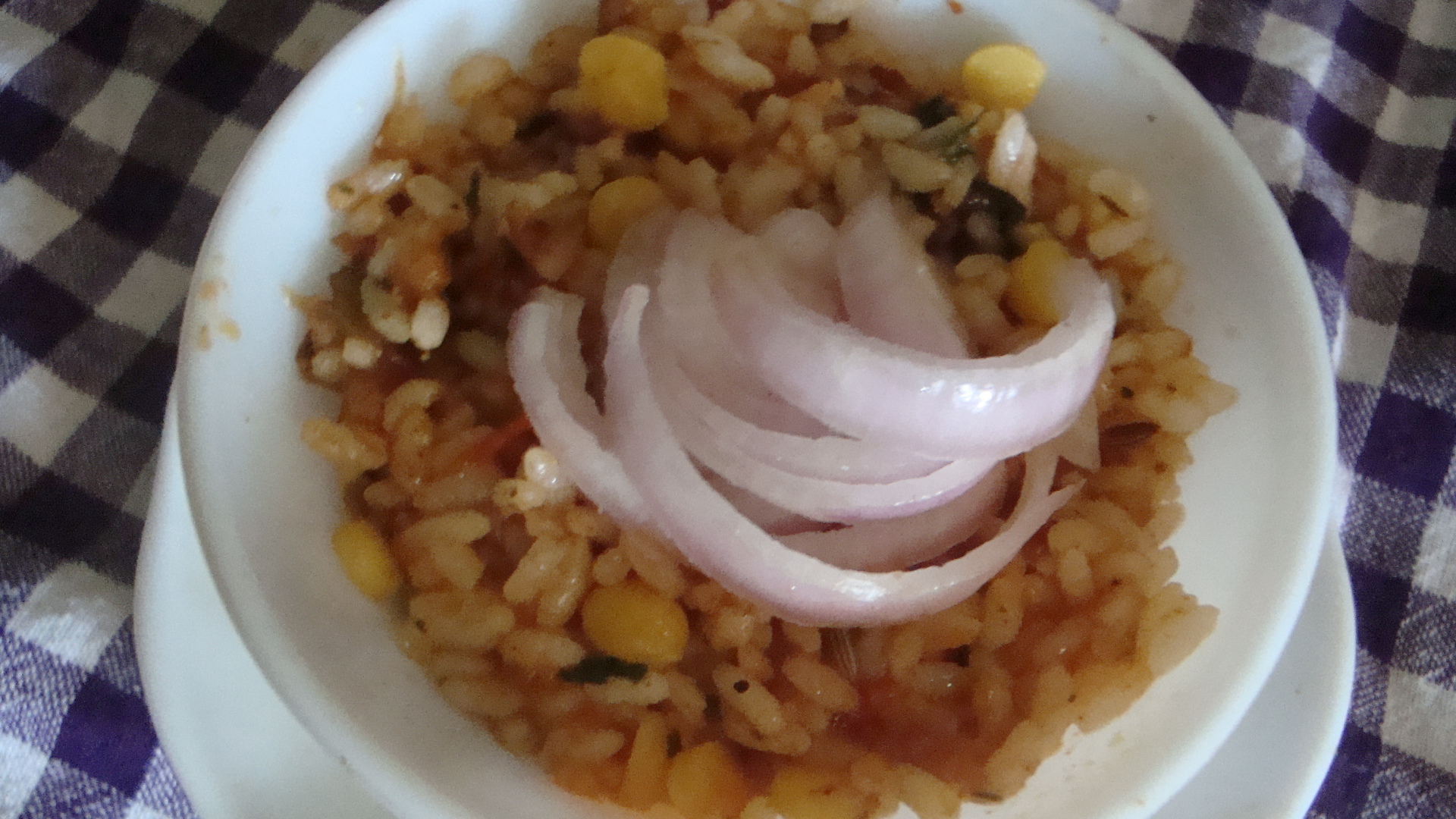
Tomato Rice

My mother wanted to have a rice series so I will be sharing some of her rice recipes starting today with tomato rice.

Tomato riceWith each of the rice dish recipe, I will also be sharing a song or two by an interesting, contemporary Sri Lankan musician whose music I have enjoyed. Today’s featured musician is Sarangan Sriranganathan. Coming from a musical family, he has been on the Sri Lankan music scene for at least fifteen years.  For today, I chose two video clips that I was able to find online. The first is an original composition by Sarangan – அவள் ஒரு மெல்லிய பூங்காற்று (literal translation: She is a light, fragrant breeze) featuring famous Indian musician Hariharan.

I like that he is well able to shift between classical and popular music and I particularly like the classical music concerts. So, my second video clip is Sarangan’s performance in Sydney of one of his mother‘s original compositions ‘Bhava Raaga Thaala – Thillana.’

Enjoy the delicious tomato rice as you listen to the music clips! 🙂

Tomato Rice

Time taken: 30 mins

Serves 3

tomato rice 2Ingredients:

  • Rice – 1 cup, boiled
  • Tomatoes – 2
  • Onion – ½ , large
  • Curry leaves – 1 sprig
  • Fenugreek – 1 tsp
  • Chilli powder – ½ tsp
  • Chickpea – 2 tbsp, fried
  • Oil – 1 tbsp

Method:

  1. Heat the oil and lightly fry the onion, curry leaves and fenugreek.
  2. Add chopped tomatoes and chilli powder and continue frying for a few minutes before removing from heat.
  3. Blend the cooled tomato mixture into a puree.
  4. Re-heat the puree in the pan adding some water, if required.
  5. Add the boiled rice and the fried chickpea to the pan and mix well.
  6. Serve with sliced onion or onion salad.

Recipe source: Raji Thillainathan.

Lime pickle

Today, I would like to share my mother’s recipe for the delicious lime pickles that she sometimes makes.

Lime pickle

Time taken: around 15 days

Makes a jar

Lime pickleIngredients:

  • Limes – 16
  • Powdered salt
  • Turmeric powder – 2 tsp
  • Crushed chillies – 2 tsp (optional)
  • Fenugreek – 1 tbsp

Method:

  1. Clean and quarter 5 or 6 limes or the number that can fill the pickle jar you are using.
  2. Fill or cover them with as much salt as you can and then put them in a clean jar or jam bottle. Cover the bottle and set aside for a day.
  3. Uncover the bottle the next morning and place under the sunlight during the day-time. Cover the bottle in the night. Repeat this process for around 7 to 10 days.
  4. After 7 or 10 days, squeeze the juice of about 10 limes. Add the turmeric powder, crushed fenugreek seeds and optional crushed chillies to the juice.
  5. Pour the juice mixed with the spices into the jar of sun-dried limes. The juice needs to cover the limes in the bottle so if you need to, squeeze some more lime juice into the bottle.
  6. Repeat the covering and uncovering process under sunlight for another 5 days.
  7. At the end of around 15 days, the lime pickle is ready to be eaten.

Recipe source: Raji Thillainathan.

Polos Embulla and Kos Melluma

Today’s guest blogger is Maheesa Dayananda, UNDP project staff from Polonnaruwa district. He will be sharing his mother’s recipes for a couple of his favourite dishes.

These are two of my favorite curries and around once in two weeks we cook one of these at home. These two curries should be served with rice and are very popular (especially Polos Embulla) among Sinhalese not only in Polonnaruwa but also in other areas too. Also, these curries come from few generations back. I can remember my grand mother also cooked these curries.

Polos embulla 2(a) Polos Embulla

Time taken    – 75 minutes

Serves             – 05

Polos Embulla

INGREDIENTS

  • Baby jack                         15 pieces (250 gm)
  • Goraka/Garcinia Cambogia 04 pieces
  • Garlic                                 04 cloves
  • Pepper                              01 teaspoon
  • Cardamom/ enasal        ½ teaspoon
  • Curry Powder                  02 teaspoon, roasted
  • Chilli Powder                   02 teaspoon
  • Turmeric Powder           ½ teaspoon
  • Coconut                           01 nut
  • Curry leaves/ Rampe      as per required
  • Salt                                     to taste
  • Cinnamon                         a bit
  • Water                                 as per required

METHOD

  1. Removing the outer peel of the baby jack, cut it into fairly big pieces, wash well and put them in an earthen vessel.
  2. Mix the pieces of baby jack with chilli powder, curry powder, turmeric powder and salt.
  3. Add some goraka.
  4. Mix crushed pepper, cinnamon and cardamom with the pieces of baby jack.
  5. Pour coconut milk in to the earthen vessel until the baby jack pieces are just covered and cook them till most of the liquid dries up. As the curry should have a little gravy, remove from heat before the gravy completely dries up.
  6. Note: Avoid dipping spoons which have been used for other curries, in polos embulla curry, to keep the stuff fresh for many days.

(b) Kos Melluma

Time taken    45 minutes

Serves             05

Kos INGREDIENTS

  • Pieces of jack                        250 gm
  • Coriander                              02 teaspoon
  • Cumin Seeds                        01 teaspoon
  • Sweet Cumin/ star anise  01 teaspoon
  • Green chillies                        03 – 04
  • Coconut                                ½ nut, scraped
  • Coconut oil                          04 teaspoon
  • Mustard                               01 teaspoon
  • Turmeric powder              as per required
  • Curry leaves                        as per required

METHOD

  1. Remove the core/ seeds from the jack-fruit pieces nut and cut them in to small pieces.
  2. Crush about 10 seeds and remove the peel covering the seed.
  3. Place the chopped jack-fruit and crushed seeds in a pan and add turmeric & water as required.
  4. Cover the pan and cook the jack-fruit.
  5. After the jack-fruit is cooked, add curry powder, curry leaves, scraped coconut and kochchi or green chilies and let it simmer together.
  6. Heat some coconut oil in another pan and fry some mustard seeds.
  7. Transfer the cooked jack-fruit with all its seasonings to the pan with the mustard seeds and temper it for a few minutes.
  8. Serve hot with rice.

Recipe source: Maheesa Dayananda.

Savoury vegan pie

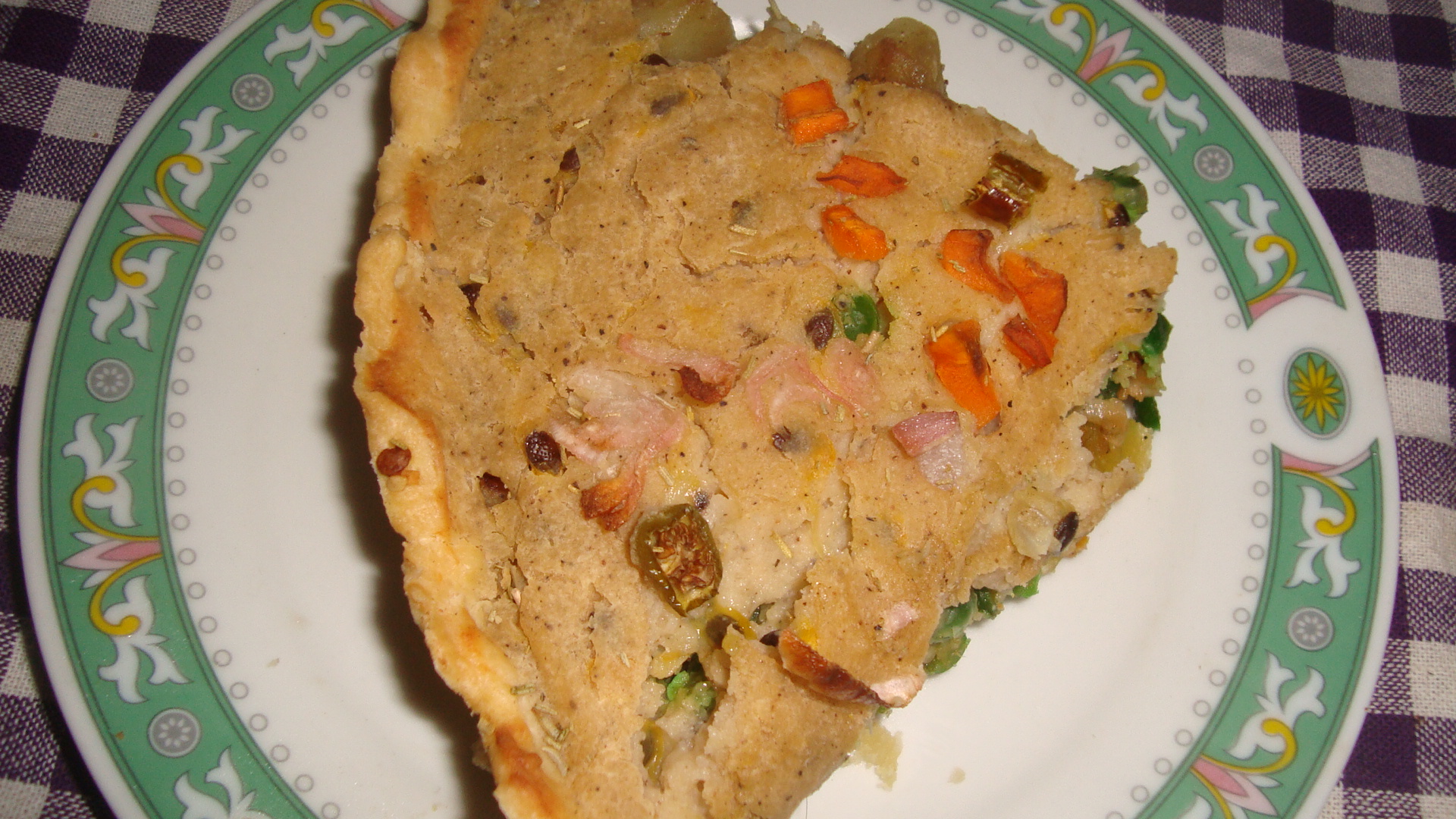
The recipe I would like to share today is the recipe for a pie that my mother made recently. It was delicious and very filling and included lots of vegetables and even passion fruit and peanuts.

A slice of pieSavoury vegan pie

Time taken:  1 ½ hours

Serves 6 or 8

Ingredients:

Base:

  • Wheat flour – 1 cup
  • Vegetable oil margarine – ¼ cup
  • Salt, to taste

Filling:

  • Green peas – ¾ cup
  • Carrot – ½ cup, chopped and grated
  • Tomatoes – ¾ cup
  • Cabbage – 2 tbsp, shredded
  • Potatoes – 1 or 2
  • Onion – ½
  • Chilli – 1
  • Crushed peanuts – 1 tbsp
  • Ginger – ½ or 1″, as per taste
  • Garlic – 3 or 4 cloves
  • Pepper and salt, to taste
  • Low fat oil (sunflower or canola) – 2 tbsp

Top layer:

  • Soya milk – 1 cup
  • Urad dhal/ Ulunthu flour – 2 tbsp
  • Wheat flour – 1 tbsp
  • Passion fruit – 1
  • Rosemary – 1 tsp
  • Sesame seeds – 1 tsp
  • Chilli or capsicum – 1
  • Onion – ¼
  • Salt and pepper, to taste

Method:

  1. Make the dough for the pie base by mixing the wheat flour, margarine and salt, to taste and kneading it. Let the dough rest while making the filling for the pie.
  2. Boil the tomatoes and mash them slightly. Boil the potatoes and cabbage.
  3. Heat 2 tbsp oil in a pan and fry the ginger and garlic. Then add the onion and crushed peanuts and fry for a few minutes.
  4. Add the slightly mashed, boiled tomatoes to the pan and then add the carrots followed by the green peas and finally the potatoes and cabbage.
  5. Add pepper and salt, to taste. Keep aside the vegetable filling.
  6. In a saucepan, heat the soya milk with 2 tbsp urad dhal and 1 tbsp wheat flour. Bring to a boil, adding salt and pepper, to taste.
  7. When the sauce begins to thicken, add the pulp of passion fruit to give the mix a tangy and fruity flavour.
  8. Take the pie pan and roll out the pie base, covering the pan.
  9. Spoon the vegetable filling on top of the pie base and level it smoothly across the pan.
  10. Pour the tangy batter-like sauce over the vegetable filling.
  11. Sprinkle chopped onion, capsicum or green chilli and the rosemary and sesame seeds over the sauce covering the pie.
  12. Bake for 30 – 40 mins at 220⁰C/ 428⁰F.
  13. Serve hot with some spicy chutney or sauce.

Recipe source: Raji Thillainathan.