Seeni Ariyatharam

Today’s recipe is that of another Jaffna traditional festival snack – seeni ariyatharam. With the modification of one ingredient, it can be found in traditional festival Sinhalese and South Indian cuisine under the name of ‘athirasa.’ In Sri Lanka, ‘seeni ariyatharam’/’athirasa’ is most often made during the Sinhalese and Tamil New Year which comes around in April.

This is my mother’s recipe for seeni ariyatharam accompanied by a photo I took of some that a neighbour brought us for Theepawali earlier this month.

Seeni Ariyatharam

Time taken: 45 mins + soaking time for raw rice, if preparing flour from scratch

Makes 10

Seeni AriyatharamIngredients:

  • Raw rice – ½ cup
  • Sugar – ¼ cup
  • Cardamom – a few, crushed
  • Low fat oil – for deep-frying

Method:

  1. Soak the raw rice and then using a dry grinder, grind the rice into flour or alternatively, simply purchase the pre-prepared raw rice flour.
  2. Heat the sugar in ¼ cup of water in a sauce pan, with some crushed cardamom, over low heat.
  3. When the consistency is syrupy (not too thick), remove from the stove. Stir in the raw rice flour to make the dough. If the consistency of the dough seems too watery, add a tbsp of raw rice flour. It should also not be too thick but smooth.
  4. Heat the oil in the pan over low heat.
  5. Dab the surface of a small piece of banana leaf with water and then scoop a little of the ‘seeni ariyatharam’ dough onto the banana leaf and flatten it lightly into a circular shape.
  6. Drop the ‘seeni ariyatharam’ into the oil pan and deep-fry. Flip it to the other side so that both sides are browned before transferring onto a tray lined with grease absorbing paper.

Recipe source: Raji Thillainathan.

Sippi Sohi

Today’s Jaffna specialty snack recipe is that of “sippi sohi” (sea-shells). The snack actually resembles sea-shells if made in the traditional way. However, my mother generally makes her own colourful version of the sweet.

DSC00761Sippi Sohi

Time taken: 45 mins

Serves 6 – 8 persons

Sippi SoyiIngredients:

  • Rice flour – 1 cup, roasted
  • Urad dhal/ black gram flour – ¼ cup, roasted
  • Coconut milk – 1 cup
  • Sugar – ¼ cup
  • Water – 4 tbsp
  • Food colouring – optional
  • Oil, for deep-frying

Method:

  1. Combine the roasted rice flour and the roasted urad dhal flour and keep aside.
  2. Heat 1 cup of coconut milk, with a little salt, over medium heat. Once cooked, remove from stove and cool.
  3. When the milk has cooled slightly but is still warm, stir in the rice flour to make the dough.
  4. Roll out the dough and cut into little pieces. Alternatively, the traditional way of squeezing the dough through the mold can be used.
  5. Heat the oil and deep-fry the little pieces “sippi sohi” and transfer the fried pieces to a tray lined with grease absorbing paper.
  6. Prepare the sugar syrup by heating the sugar with water in a saucepan over medium heat.
  7. Food colouring can be added to the syrup, while heating in the saucepan. My mother used red food colouring here to have a colourful twist on the traditional plain syrup.
  8. Soak the fried “sippi sohi” into the sugar syrup till they are well coated and dry up.

Recipe source: Raji Thillainathan.
Payatham Paniyaram

With Theepawali coming up this weekend, it’s time for some traditional snacks at home. My mother made a few quintessential Jaffna festival snacks so I will be sharing their recipes here.

Today’s recipe is my great grandmother’s recipe for ‘payatham paniyaram’ (a spiced green gram snack) which is a traditional Jaffna specialty made at all the festivals and celebrations in the peninsula. Plus, people tend to make this and send out to relatives in other cities or abroad as it keeps for a relatively long time.

Payatham Paniyaram

Time taken: 35 mins

Makes 20

Payatham paniyaaramIngredients:

  • Green gram – 1 cup, roasted flour
  • Red rice flour – 2 tbsp, roasted
  • Sugar – ½ cup
  • Cardamom – 6, crushed
  • White raw rice flour or wheat flour – ½ cup
  • Salt, to taste
  • Cumin powder, pepper powder, toasted coconut flakes – optional

Method:

  1. Combine the roasted green gram flour and the roasted red rice flour and keep aside.
  2. Melt ½ cup sugar in ¼ cup of water in a saucepan over low heat.
  3. When the syrup starts bubbling in a couple of mins, add the crushed cardamoms.  The optional cumin, pepper and toasted coconut flakes can be added now, if required. I prefer not to have the cumin or pepper added.
  4. Quickly add in the roasted green gram and red rice flour mix into the sauce pan, continuously stirring for a few mins, until the mixture is well-combined and easy to form into balls.
  5. Remove from stove and make about 20 balls of the spiced mixture.
  6. Make the dipping batter by combining the white raw rice flour (the preferred flour) or wheat flour with a little salt and water. Coat the balls in the batter.
  7. Heat the oil for deep-frying. Fry the balls until golden-brown on all sides. Transfer the ‘payitram paniyaram’ to a tray lined with grease absorbing paper.
  8. Serve when cooled. If coconut flakes are not added, the ‘paniyaram’ can be stored for many days.

Recipe source: Raji Thillainathan.

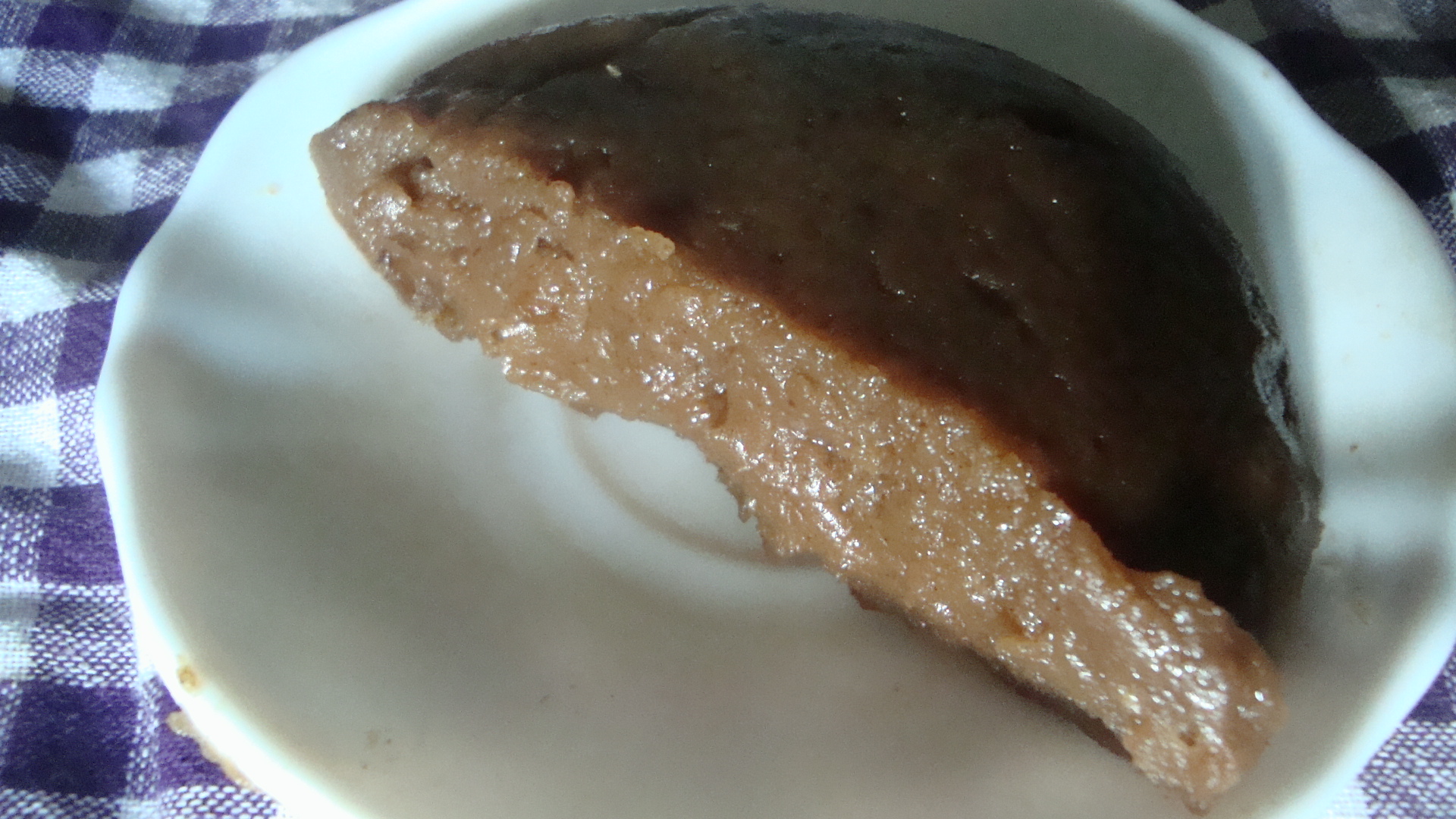
Dodol

To celebrate Eid, my mother made some ‘dodol’. This sweet has its roots in the Malay cuisine of Sri Lanka but has since become popular across the entire country.

The second best ‘dodol’ that I have tasted is the ‘dodol’ sold in a little family-run shop on a tiny road across the Peacock beach hotel in Hambantota district. The best was the exquisite dodol wrapped in woven reed that a relative had sent us. He unfortunately omitted to get the contact details of the entrepreneur he had randomly come across and purchased it from. So, I only have the remembrance of the taste by which I have compared all other ‘dodol’ since. I have also hoped that that entrepreneur would have been successful enough in his business and his products would be available at some popular outlet other than his previous door-to-door sales.

At my house, while everyone likes dodol, it is time-consuming to make. My mother doesn’t like to take much time over cooking so she created her instant ‘dodol’ version, which I would say is the third best in my dodol tasting experience.

So, today, I will share my mother’s recipe for her instant dodol as well as my grandmother’s recipe for regular dodol.

(a) Dodol (regular) – grandmother’s recipe

Time taken: 2 hours

Makes 20 pieces

Ingredients:

  • Coconut – 2 cup, freshly scraped
  • Roasted rice flour – 2 cup
  • Jaggery – 2 cup, grated
  • Crushed cardamom – 1 tbsp
  • Cashewnuts – ¼ cup, chopped

Method:

  1. Blend freshly scraped coconut with 10 cups of water and make coconut milk.
  2. Mix all ingredients in a large pot and keep stirring continuously over a medium heat for around 1 hour. Do not allow mixture to burn.
  3. Once it starts thickening and the oil starts separating. Separate the dodol from the oil and transfer to a tray and allow to cool for at least ½ hour. The separated coconut oil can be reused for cooking.
  4. Store in an air-tight container and slice and serve, when required. The regular ‘dodol’ can be stored for at least 2 weeks.

(b) Instant dodol – my mother’s recipe:

Time taken: 25 mins

Serves 4

DodolIngredients:

  • Coconut – ½ cup, freshly scraped
  • Roasted rice flour – ¼ cup
  • Jaggery – ¼ cup, grated
  • Cashew nuts – 1 tbsp, chopped
  • Cardamom – 3 or 4, crushed
  • Vegetable oil margarine – 1 tbsp

Method:

  1. Blend ½ cup of freshly scraped coconut with 1 cup of water to make coconut milk.
  2. Mix all ingredients in a pan and stir continuously over medium heat for about 10 mins.
  3. As the mixture thickens, add 1 tbsp of vegetable oil margarine and mix well. In the instant version, the stirring does not go on till the oil separates, hence the margarine is added before removing from stove.
  4. Transfer to a plate and allow the instant ‘dodol’ to cool for at least 15 mins before slicing and serving. The instant ‘dodol’ has to be served within 12 hours or so and cannot be kept for more time.

Recipe source: Raji Thillainathan.

Aval

A Navarathri festival favourite from childhood is ‘aval’, a simple, quick to prepare delicious snack. So, for the first day of the Saraswathie poosai, I would like to share this simple recipe for ‘Aval’.

I have always thought of ‘aval’ as a sweet snack, generally prepared during ‘home poosai’ (prayer ceremony) as a ‘prasadam’ (blessed offering), but I came across the Indore Kanda Poha a few months back and was happily surprised it was a savoury, breakfast food. Here though, I am sharing the traditional way it is prepared in north Sri Lanka.

Aval

Time taken: 10 – 15 mins

Serves 2

AvalIngredients

  • Aval (flattened rice or puffed rice) – ½ cup
  • Coconut – ¼ cup, scraped
  • Sugar – 3 tbsp or Jaggery – 2 tbsp, chopped
  • Crushed cardamom – 1 tsp
  • Cashew nuts – 1 tsp, chopped
  • Raisins – 2 tsp

Method:

  1. Rinse the ‘aval’ in a bowl of water and drain it.
  2. Add ¼ cup of hot water to the cleaned ‘aval’ and let it soak for 5 mins. Drain.
  3. Heat a pan on low heat and dry roast the coconut for about 2 mins.
  4. Add the jaggery or sugar to the pan and continue cooking for another 2 – 3 mins.
  5. Add the crushed cardamom to the pan and stir before adding the ‘aval’ to the pan. Mix well before removing from heat.
  6. Garnish with chopped cashew nuts and raisins.

Recipe source: Raji Thillainathan.

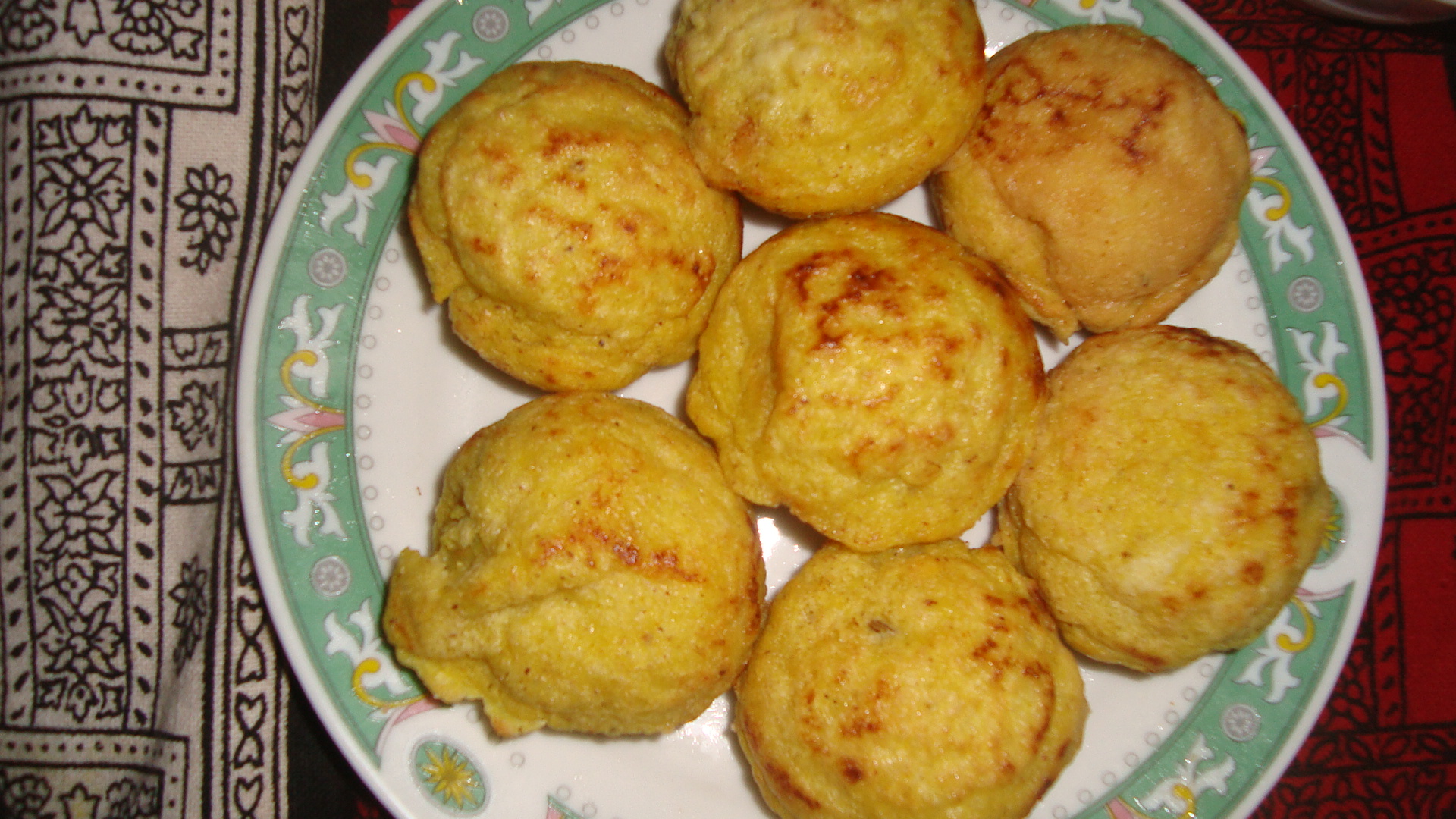
Hoppers

Hopper (Appam/Appa) is a dish made in every corner of Sri Lanka. From street vendors to homes, it is one of the most popular dinner meals served around the country. In our house, my mother finds it the most frustrating dish to make as she has her good hopper days when she is proud of her creations and her bad hopper days when she faults her temperamental “hopper” pan. Today, I will share my mother’s recipe for her hopper batter.

Appam/ Appa

Cooking time: 30 mins + preparation time: 6 hours

Makes 12

Hoppers

Ingredients:

  • Raw rice – 1 cup
  • Bread – 2”x1” piece
  • King Coconut or plain Coconut water – ¼ cup
  • Wheat flour – 1 tbsp
  • Freshly scraped coconut – 1 tbsp
  • Water – 1 cup
  • Salt – ¼ tsp
  • Sugar – 1 tsp
  • Baking powder – 1 tsp

Method:

  1. Soak the rice in water for 3 hours. Simultaneously, soak the bread piece in the coconut water for about 3 hours.
  2. Grind both the soaked rice and bread together.
  3. Add a tbsp of wheat flour and a little water to the ground rice and bread to make a thick, yet smooth batter.
  4. Cover and let the batter rest and ferment for about 3 hours.
  5. Blend the freshly scraped coconut in a cup of water and extract a cup of coconut milk.
  6. Mix the coconut milk in the batter. Add a ¼ tsp salt, a tsp sugar and a tsp baking powder to the batter.
  7. Stir in the contents and the batter is ready for the hopper pan.
  8. Place the hopper pan on the stove on low heat.
  9. Pour a spoonful of the batter on to the pan and rotate the pan so that the batter covers the entire pan. Cover the pan with the pan lid. Let the hopper cook for about 2 mins before removing from pan.
  10. Serve hot with seeni sambol or lunu miris or basically any sambal. Any other curries, vegetarian or non-vegetarian, are optional.

Recipe source: Raji Thillainathan.
Kundu Thosai with Coconut Tamarind Sambal

A friend of my mother dropped by this morning with some breakfast treats that she had made so I decided to post the recipes for those two dishes. The first is kundu thosai with a coconut-tamarind sambal.

Kundu thosai with sambal

(a) Kundu thosai

Cooking time: 15 mins + preparation time: nearly 8 hours

Makes 24

Gundu thosai

Ingredients:

  • Black gram/ Urad dal/ Ulunthu – ½ cup
  • Raw rice – 1 cup
  • Fenugreek seeds – ¼ tsp
  • Pepper – ¼ tsp
  • Cumin seeds – ¼ tsp
  • Turmeric powder – ¼ tsp
  • Wheat flour – 2 tbsp
  • Oil, as required

Method:

  1. Soak ulunthu and rice for about 3 to 4 hours.
  2. Grind the soaked ulunthu and rice together with the fenugreek seeds, pepper, cumin seeds and turmeric powder.
  3. Mix the wheat flour in the blended mixture. The batter should be thick.
  4. Let the batter rest for about 3 to 4 hours.
  5. Place the special ‘kundu thosai’ pan on the stove on low heat.
  6. Pour a little oil in each of the 8 holes of the pan. Then, pour a tablespoon of batter in each.
  7. Cook the thosai for about 1 ½ to 2 mins each side. Flip to the other side so that both sides are browned.
  8. Serve hot with the coconut-tamarind sambal.

(b) Coconut-Tamarind Sambal

Time taken: 10 mins

Serves 4

Ingredients:

  • Freshly scraped coconut – ½ cup
  • Dried red chillies – 4 + 1
  • Onion – ¼ + ¼ , chopped
  • Curry leaves – 1 sprig
  • Fennel seeds – ½ tsp
  • Tamarind extract – ¼ cup
  • Salt, to taste
  • Oil, as required

Method:

  1. Soak four of the dried red chillies for a few minutes and then chop them up.
  2. Grind the soaked dried red chillies with the coconut and 1/4 onion and keep aside.
  3. Heat a tbsp or two of oil in a pan and fry the fennel seeds.
  4. When the seeds start spluttering, add the chopped ¼ onion and chopped dried red chilli and curry leaves.
  5. Add ¼ cup of tamarind extract to the pan and let it simmer.
  6. When the tamarind juice starts bubbling, add the ground chilli-onion-coconut mix and salt, to taste.
  7. Mix well and remove from heat.
  8. Serve with ‘Kundu’ thosai.

Recipe source: Ithayarani Jeyabalasingham.

Aluwa

Today’s guest blogger is Nilusha Doranegama, a clinical traumatologist. The recipe she is sharing with us today is one of her favourite recipes of her grandmother’s. Nilusha mentioned a time in her childhood when she was so fond of aluwa that she had advocated for having aluwa instead of cake for birthdays.

Aluwa

Time taken: 30 mins

Makes 25 – 30 pieces

Ingredients:

  • 10 cups of rice flour (from 4-5 cups of soaked white raw rice)
  • 2 cups of sugar
  • 3 cups of water
  • 3-4 cardamoms
  • 1 cup roasted cashew nuts

Method:

  1. Roast the rice flour under medium heat.
  2. Boil the sugar and water in a non-stick pan.
  3. While continuously stirring, add ground cardamom seeds and chopped cashew nuts.
  4. Allow the syrup to cool a little and add the roasted flour and mix in well.
  5. Quickly spread the aluwa on a tray lined with waxed paper and cut it in to pieces immediately.
  6. Coat the aluwa with remaining flour.
  7. Makes 25-30 aluwa pieces.

Recipe source: Nilusha Dishni Doranegama.

Thosai with Sambhar

Today’s recipe is a meal that my mother often makes at home for dinner – Thosai with sambhar and sambal. This is a meal that can also be eaten at breakfast or lunch.

Thosai with Sambhar

(a) Thosai

Cooking time: 30 mins + soaking and fermenting time: 12 hours

Makes 20

Ingredients:

  • Raw rice – 1 cup
  • Ulunthu/ urad dal – 1 cup
  • Fenugreek – ¼ tsp
  • Curry leaves – 1 sprig
  • Onion – small piece, chopped
  • Cumin – 1 tsp
  • Pepper – 1 tsp
  • Turmeric – ½ tsp

Method:

  1. Soak the rice, dal and fenugreek for 6 hours.
  2. Drain the soaked mixture and wash it lightly.
  3. Put the mix in the blender together with the curry leaves, chopped onion and cumin, pepper and turmeric. Blend until the thosai batter has a consistency similar to that of pancake batter consistency.
  4. Transfer the batter to a bowl. Cover and let it ferment for another 6 hours.
  5. Add salt and mix before heating up the thosai pan or flat pan.
  6. Pour a large spoonful of batter and spread it out. Flip to the other side after a minute or two so that both sides are cooked well and have brownish tinges.
  7. Serve the thosai hot with sambhar and dried red chilli sambal.

(b) Sambhar

Cooking time: 30 mins

Serves 5 or 6

Ingredients:

  • Mysore dal – ½ cup
  • Brinjal – ½ cup, chopped
  • Beans – ½ cup, chopped
  • Carrot – ½ cup, chopped
  • Potato – 1 medium-sized, chopped
  • Pumpkin – ½ cup, chopped
  • Murungai Kai – ½ cup, chopped (optional)
  • Onion – ½, chopped
  • Curry leaves – 1 sprig
  • Tamarind extract – ¼ cup
  • Crushed chillies – 1 tsp
  • Cumin powder – 1 tsp
  • Coriander powder – 1 tsp
  • Pepper – ½ tsp
  • Garlic cloves – 2 or 3, crushed
  • Turmeric powder – ½ tsp
  • Coconut milk – ¼ cup
  • Salt, to taste

Method:

  1. Cook the vegetables, in a pan with 3 cups of water, for about 15 – 20 minutes on medium heat.
  2. Reduce heat and if water had dried up, add another ½ cup water.  Add the tamarind juice, mix well and cook for another 5 minutes.
  3. Add the crushed chillies, cumin, coriander and pepper powder, crushed garlic and turmeric powder to the pan. Mix well and cook for a few more minutes.
  4. Towards the end, add ¼ cup coconut milk. Cook for a few minutes before removing from heat.
  5. Serve sambhar with thosai or idli.

Recipe source: Raji Thillainathan.

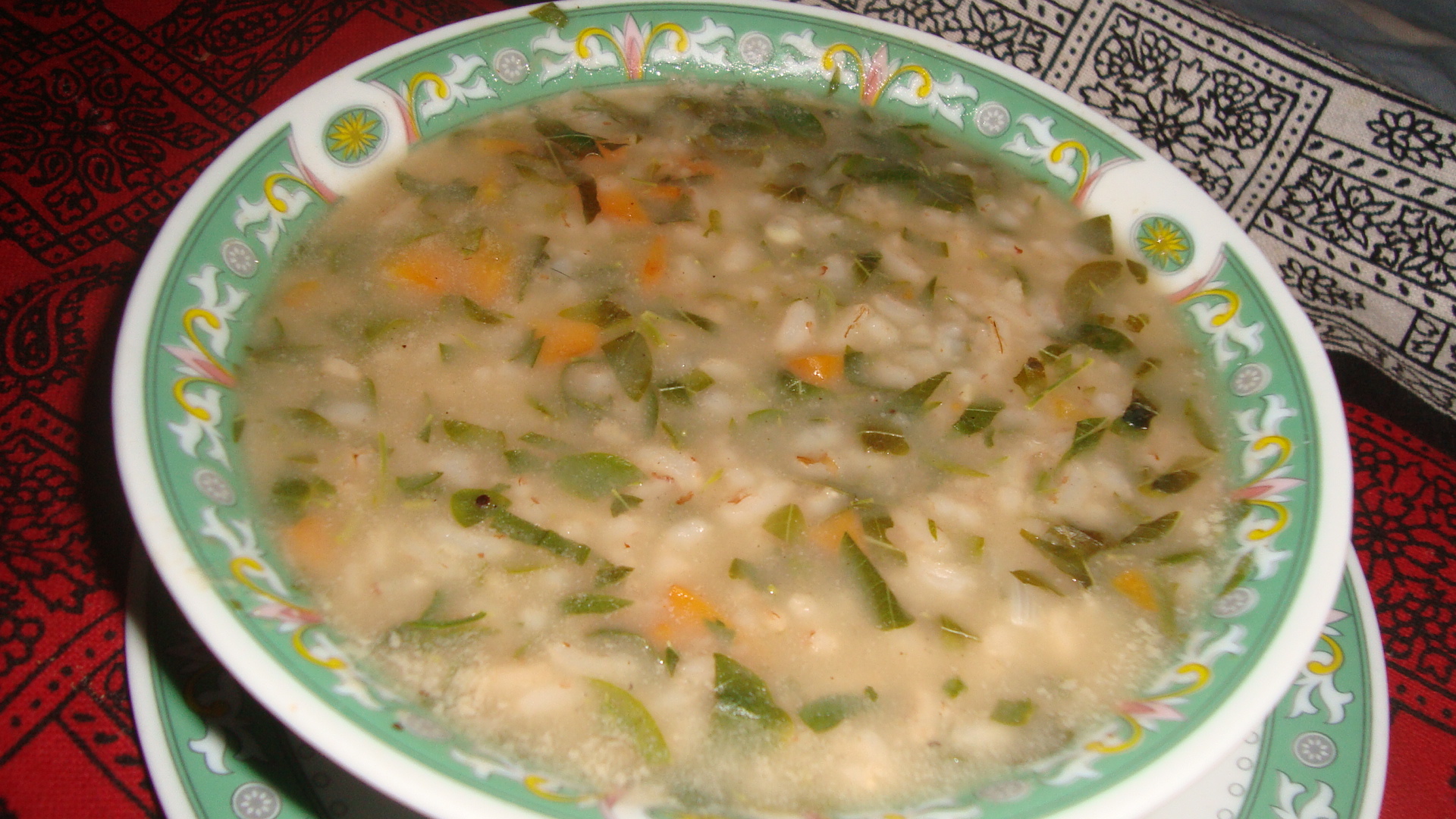
Murungai Ilai Kanji

Update (04/07/4014): I wanted to also share a kanji (soup/porridge) recipe that is popular in Jaffna at the Soups with SS event hosted by Sonal and Shruti

This morning, I will share my mother’s recipe for murungai ilai kanji. My mother makes different types of kanji occasionally for breakfast but I like this one the best.

Murungai Ilai Kanji

Time taken: 20 mins

Serves 1 or 2

Murungai Ilai Kanji

Ingredients:

  • Red raw rice – 3 tbsp
  • Murungai ilai/ Moringa leaves – 3 tbsp, chopped or ground
  • Carrot – ¼, chopped
  • Onion –1 tsp, chopped
  • Bean – 1, chopped
  • Pepper – ¼ tsp
  • Salt, to taste
  • Lime juice, to taste

Method:

  1. Cook the rice in a pan with 1 cup of water for about 5 mins.
  2. Add all the chopped vegetables and cook for another 10 – 15 mins.
  3. Add the salt and pepper, to taste. Mix and cook for a couple of minutes before removing from the heat.
  4. Squeeze some lime juice before serving hot.

Recipe source: Raji Thillainathan.
20140604-100050-36050853