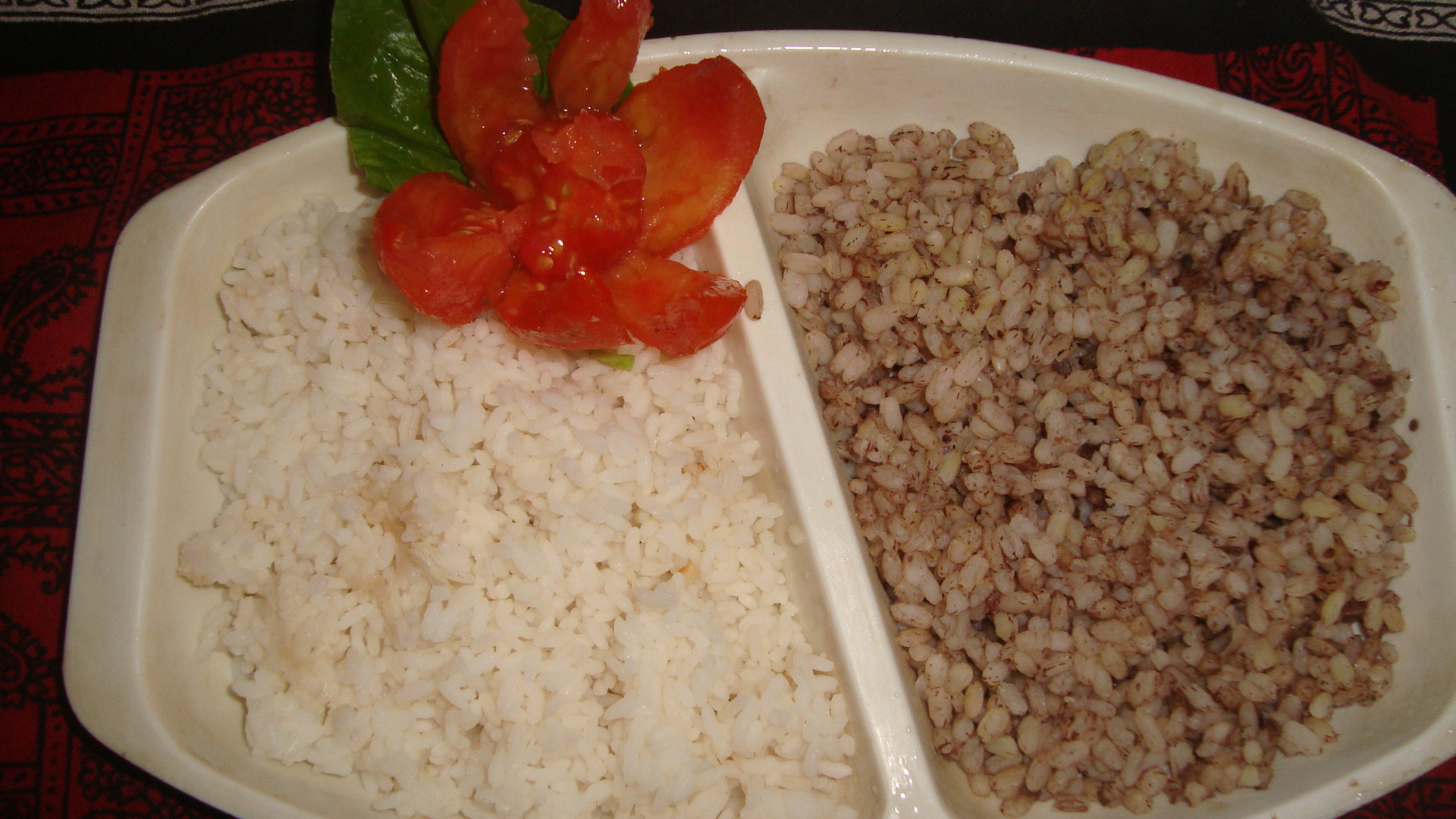
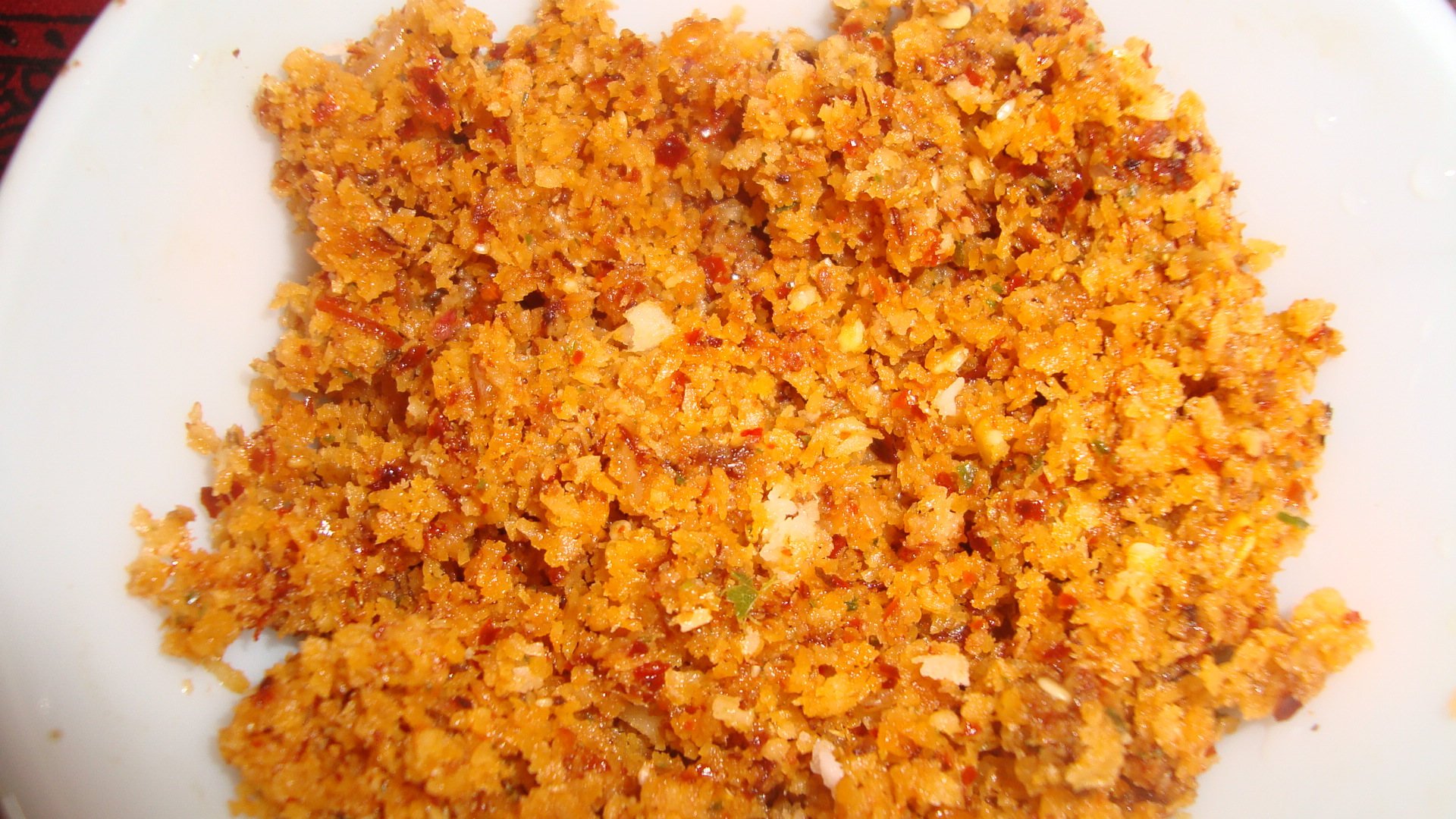
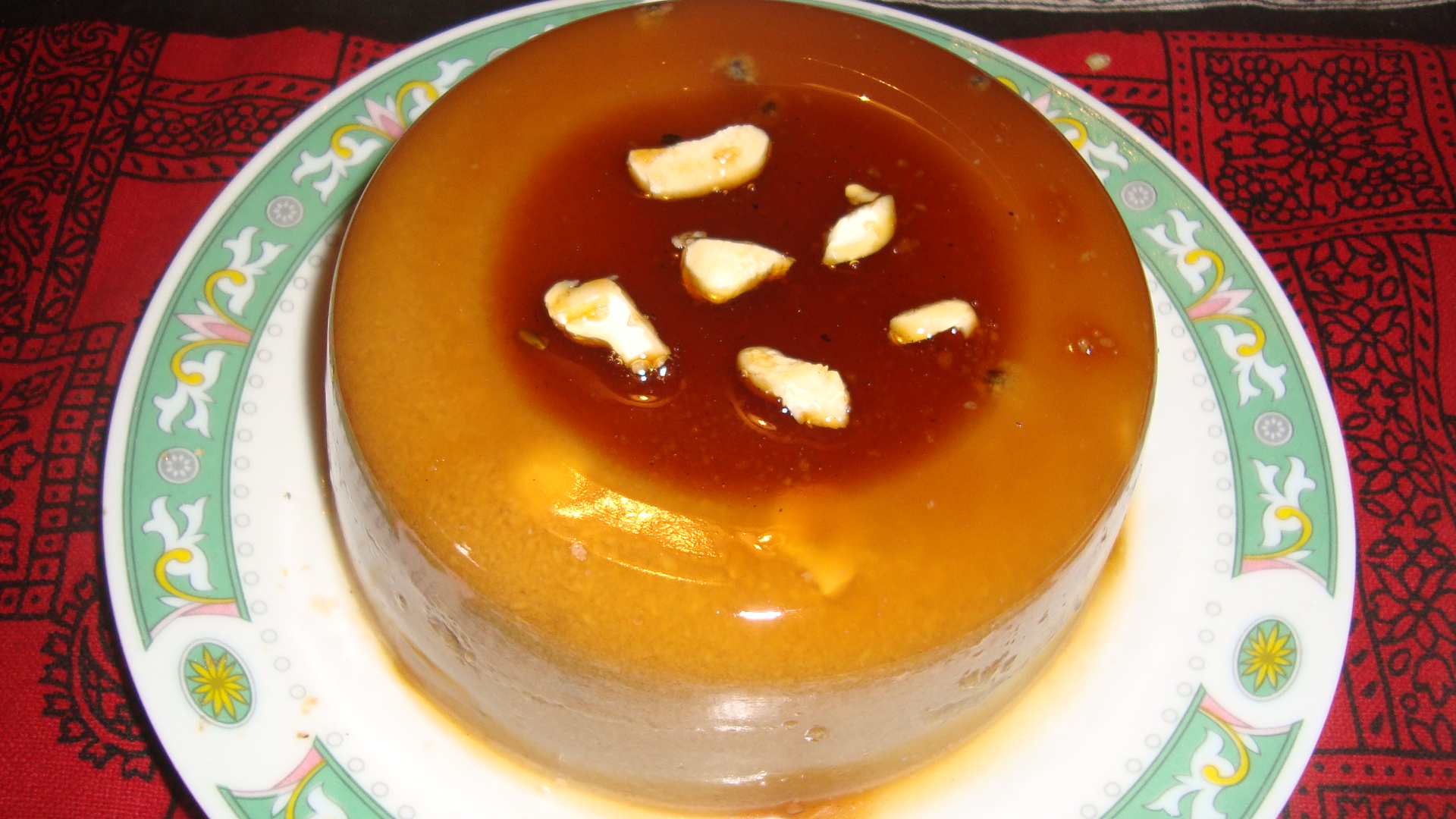
Dodol

To celebrate Eid, my mother made some ‘dodol’. This sweet has its roots in the Malay cuisine of Sri Lanka but has since become popular across the entire country.

The second best ‘dodol’ that I have tasted is the ‘dodol’ sold in a little family-run shop on a tiny road across the Peacock beach hotel in Hambantota district. The best was the exquisite dodol wrapped in woven reed that a relative had sent us. He unfortunately omitted to get the contact details of the entrepreneur he had randomly come across and purchased it from. So, I only have the remembrance of the taste by which I have compared all other ‘dodol’ since. I have also hoped that that entrepreneur would have been successful enough in his business and his products would be available at some popular outlet other than his previous door-to-door sales.

At my house, while everyone likes dodol, it is time-consuming to make. My mother doesn’t like to take much time over cooking so she created her instant ‘dodol’ version, which I would say is the third best in my dodol tasting experience.

So, today, I will share my mother’s recipe for her instant dodol as well as my grandmother’s recipe for regular dodol.

(a) Dodol (regular) – grandmother’s recipe

Time taken: 2 hours

Makes 20 pieces

Ingredients:

  • Coconut – 2 cup, freshly scraped
  • Roasted rice flour – 2 cup
  • Jaggery – 2 cup, grated
  • Crushed cardamom – 1 tbsp
  • Cashewnuts – ¼ cup, chopped

Method:

  1. Blend freshly scraped coconut with 10 cups of water and make coconut milk.
  2. Mix all ingredients in a large pot and keep stirring continuously over a medium heat for around 1 hour. Do not allow mixture to burn.
  3. Once it starts thickening and the oil starts separating. Separate the dodol from the oil and transfer to a tray and allow to cool for at least ½ hour. The separated coconut oil can be reused for cooking.
  4. Store in an air-tight container and slice and serve, when required. The regular ‘dodol’ can be stored for at least 2 weeks.

(b) Instant dodol – my mother’s recipe:

Time taken: 25 mins

Serves 4
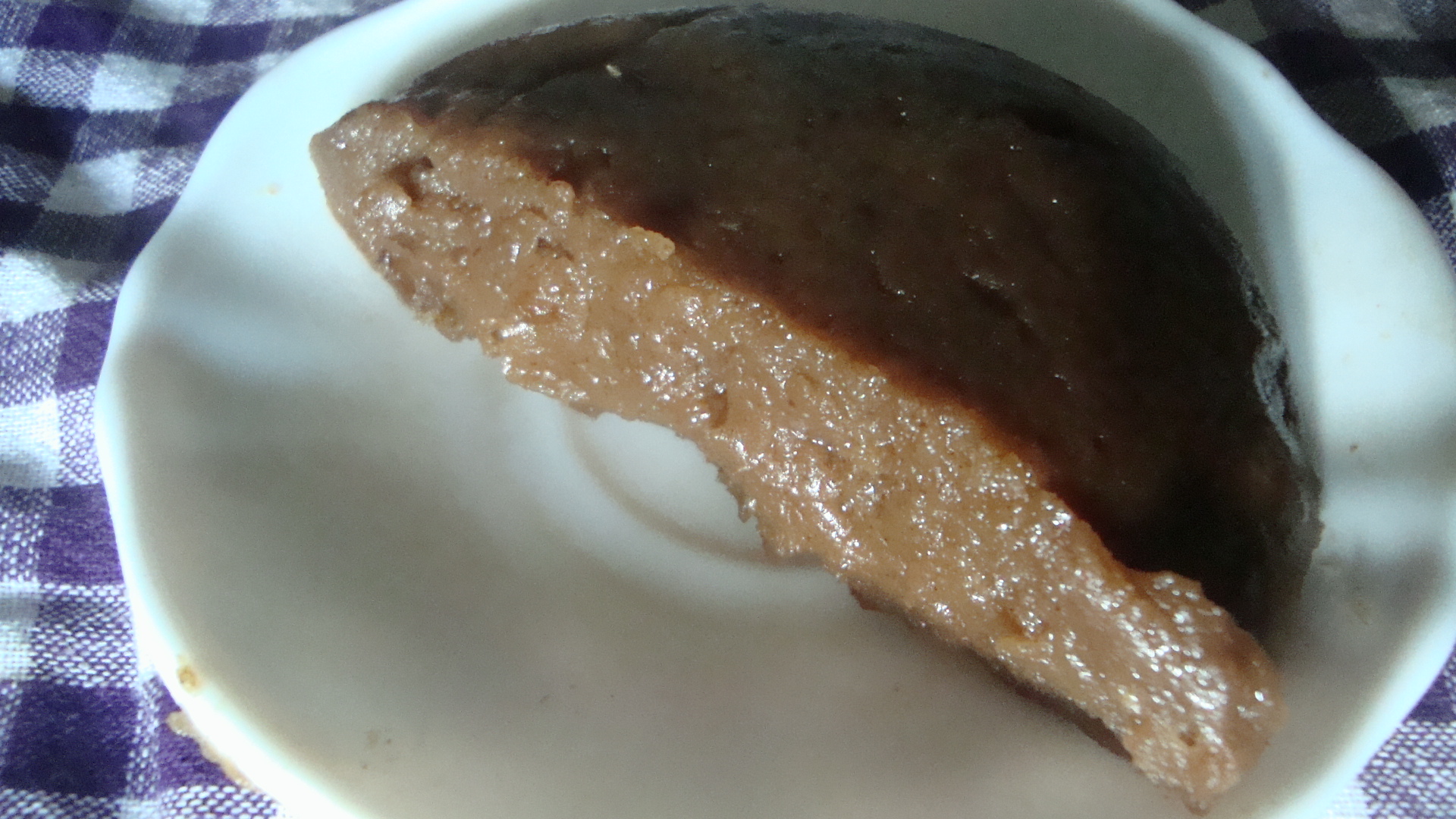
DodolIngredients:

  • Coconut – ½ cup, freshly scraped
  • Roasted rice flour – ¼ cup
  • Jaggery – ¼ cup, grated
  • Cashew nuts – 1 tbsp, chopped
  • Cardamom – 3 or 4, crushed
  • Vegetable oil margarine – 1 tbsp

Method:

  1. Blend ½ cup of freshly scraped coconut with 1 cup of water to make coconut milk.
  2. Mix all ingredients in a pan and stir continuously over medium heat for about 10 mins.
  3. As the mixture thickens, add 1 tbsp of vegetable oil margarine and mix well. In the instant version, the stirring does not go on till the oil separates, hence the margarine is added before removing from stove.
  4. Transfer to a plate and allow the instant ‘dodol’ to cool for at least 15 mins before slicing and serving. The instant ‘dodol’ has to be served within 12 hours or so and cannot be kept for more time.

Recipe source: Raji Thillainathan.
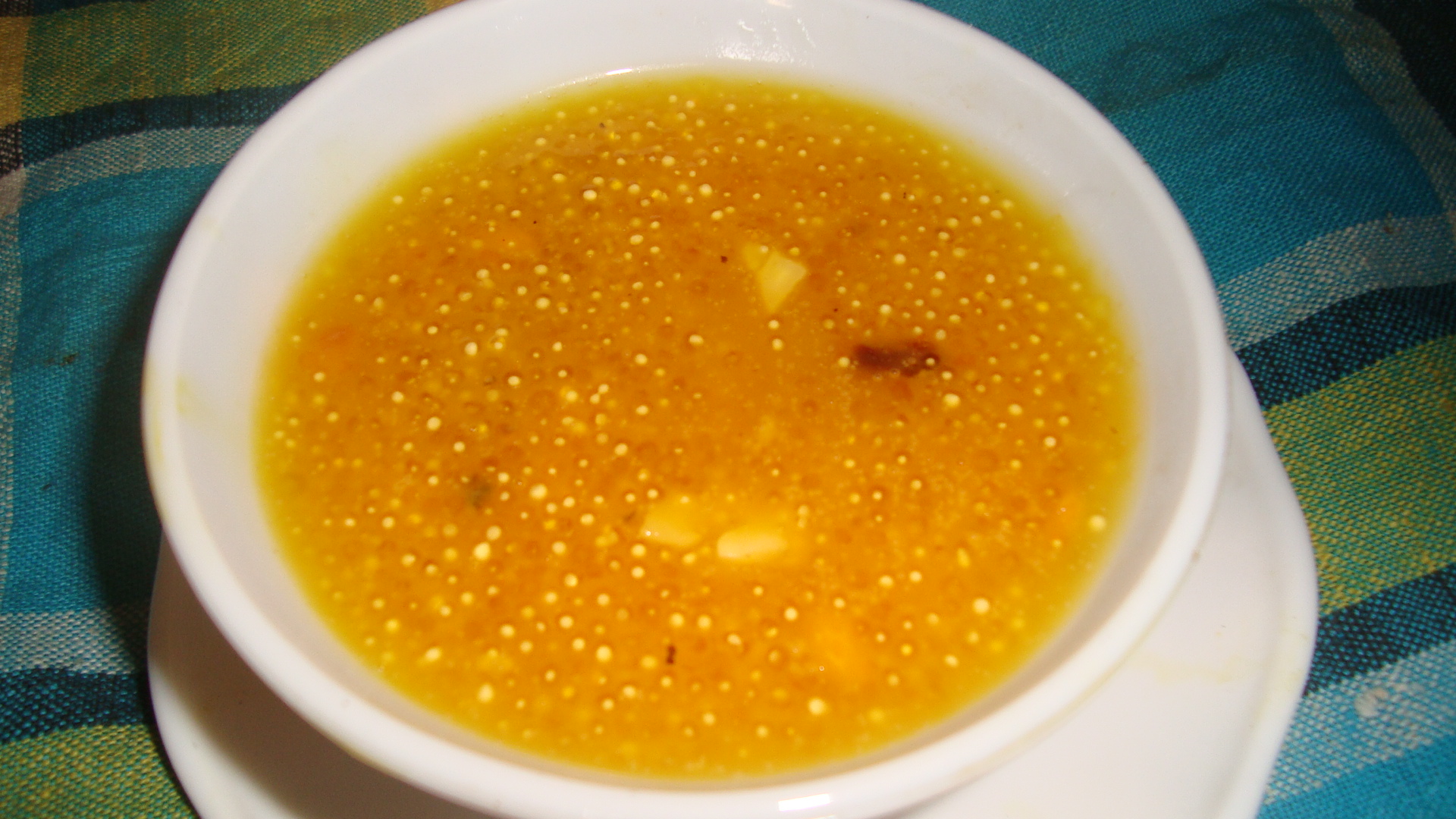
Coconut paayaasam

Today’s Navarathri recipe is my grandmother’s recipe for coconut paayaasam, as remembered and replicated by my mother. Many people generally use dairy milk for the ‘paal paayasam’ but my grandmother preferred using coconut milk for sago pudding and now, that’s the way it is made in our family.

Paayaasam

Time taken: 15 mins

Serves 2

PaayasamIngredients:

  • Pearl sago/ Savvarasi – ¼ cup
  • Cardamom – 2, crushed
  • Chickpea – 1 tbsp, fried and split
  • Cashewnuts – 2 or 3, chopped
  • Coconut milk – ½ cup
  • Sugar – 1 tbsp or adjust per taste
  • Raisins – 1 tbsp
  • Kesari powder – pinch

Method:

  1. Heat 1 cup of water in a pan, adding 2 crushed cardamoms, for about 5 mins.
  2. Add the pearl sago and let the boiling continue for a couple of minutes.
  3. When the sago is half-cooked, add the split, fried chickpea and cashewnuts and continue cooking for another couple of minutes.
  4. Once the sago is well cooked and the mixture thickens, add the coconut milk and the kesari powder.
  5. In a few minutes, add the sugar and mix well and let the ‘paayaasam’ simmer for another couple of minutes.
  6. Add the raisins just before removing the pan from the stove.
  7. Stir and serve either hot or chilled.

Recipe source: Raji Thillainathan.
Murukku

Today’s Navarathri food festival recipe is my mother’s recipe for crispy and crunchy murukku. This is a delicious snack and it is usually difficult to stop eating the entire bowl, after tasting one or two pieces.

Murukku

Time taken: 30 – 40 mins

Serves 10

MurukkuIngredients:

  • Chickpea flour – ¼ cup
  • Steamed wheat flour – ¾ cup
  • Coconut – 2 tbsp, freshly scraped
  • Pepper – ¼ tsp
  • Salt – ¼ tsp
  • Turmeric powder – ¼ tsp
  • Sesame seeds – 1 tsp
  • Water – 1 cup
  • Low fat oil, for deep-frying

Method:

  1. Blend 2 tbsp freshly scraped coconut with 1 cup water and extract a cup of coconut milk.
  2. In a saucepan, heat the coconut milk, adding the salt, pepper and turmeric powder to the pan.
  3. When the milk boils, remove from heat and briefly cool the milk for a few seconds.
  4. In a bowl, mix the chickpea flour and the steamed wheat flour.
  5. Stir in the boiled, spiced coconut milk into the bowl of flour mix and make the ‘murukku’ dough.
  6. Fold in the sesame seeds into the dough mix.
  7. Heat some low-fat oil in a pan.
  8. Scoop some of the dough into the murukku mold and squeeze out the dough through the mold over the pan with the oil. Once the noodle-like ‘murukku’ is cooked and golden brown on all sides, remove from pan and transfer to a tray lined with grease absorbing paper.
  9. Repeat the process until all the dough is squeezed out of the mold and fried.
  10. Serve immediately or store in air-tight container to prevent the ‘murukku’ from becoming mushy and to retain its crispiness.

Recipe source: Raji Thillainathan.
Pongal

My mother often recounts a story from her childhood years, particularly ones that include her grandmother. One story she is fond of narrating is about how her grandmother used to undertake her own farming and not use machines or chemicals. My great-grandmother, who was the last farmer in our family lost her husband at a young age and raised her three children on her own. She had some paddy land and a small vegetable farm, which she managed to buy with her own earning. While she did hire farm labourers when needed, she did a lot of work on her field herself. Also, she raised cows and goats and undertook organic farming. Compost was made on her farm and used in her field. She had her land ploughed with a hand-plough and planted the paddy seeds. When the seeds started growing, just like any other small time farmer, she undertook the weeding together with the help of some hired hands.

The harvesting season was a special process and the cut grain stalks would be loaded onto bullock carts and brought home for the grains to be separated from the husks. By the time they were brought home, it would be night. As there was no electricity in their home at that time, three or four petromax lamps were lighted. My mother remembers that she was very much excited during those days and didn’t want to go to sleep but stay up and watch. It seemed like a carnival at her grandmother’s home, with the place lighted up and movement of people throughout the night.

A pole was planted in the middle of the yard and large woven mats placed around the pole. The cut stalks were spread on the mat. The buffaloes were tied to the pole and two or three hired help would walk the buffaloes around the pole. This was the old process to separate the grains from the husks. My mother remembers watching the men walk the buffaloes calling out, “poli.” The stalks were then picked up and thrashed onto the mat and the grains would separate out and fall. These were then packed up in sacks.

Local rice varieties

The first handfuls of grain were beaten in a stone or wood “ural” to separate the raw rice from the grain. This was made into the first pongal of the harvest. Everyone who helped would be invited for a meal and given bags of grains.

Family members who had died were also remembered on that day and a large variety of food was made. My mother mentions that a special offering was made that day, as part of the remembrance ritual, called the “puthir.” Her grandmother used to take some of the pongal made from the first rice from the harvest and spread it out on a large tray. Then, all types of available fruits were cut up and layered on top of the pongal. Honey was poured over the fruits. A sampling of all the vegetable curries that were made were also layered on top of the pongal-fruit-honey mix. Finally, ghee was poured over the tray of food and everything was mixed together. After the prayers were made, a little “puthir” was handed as “prasadham” (blessed offering) to everyone present.

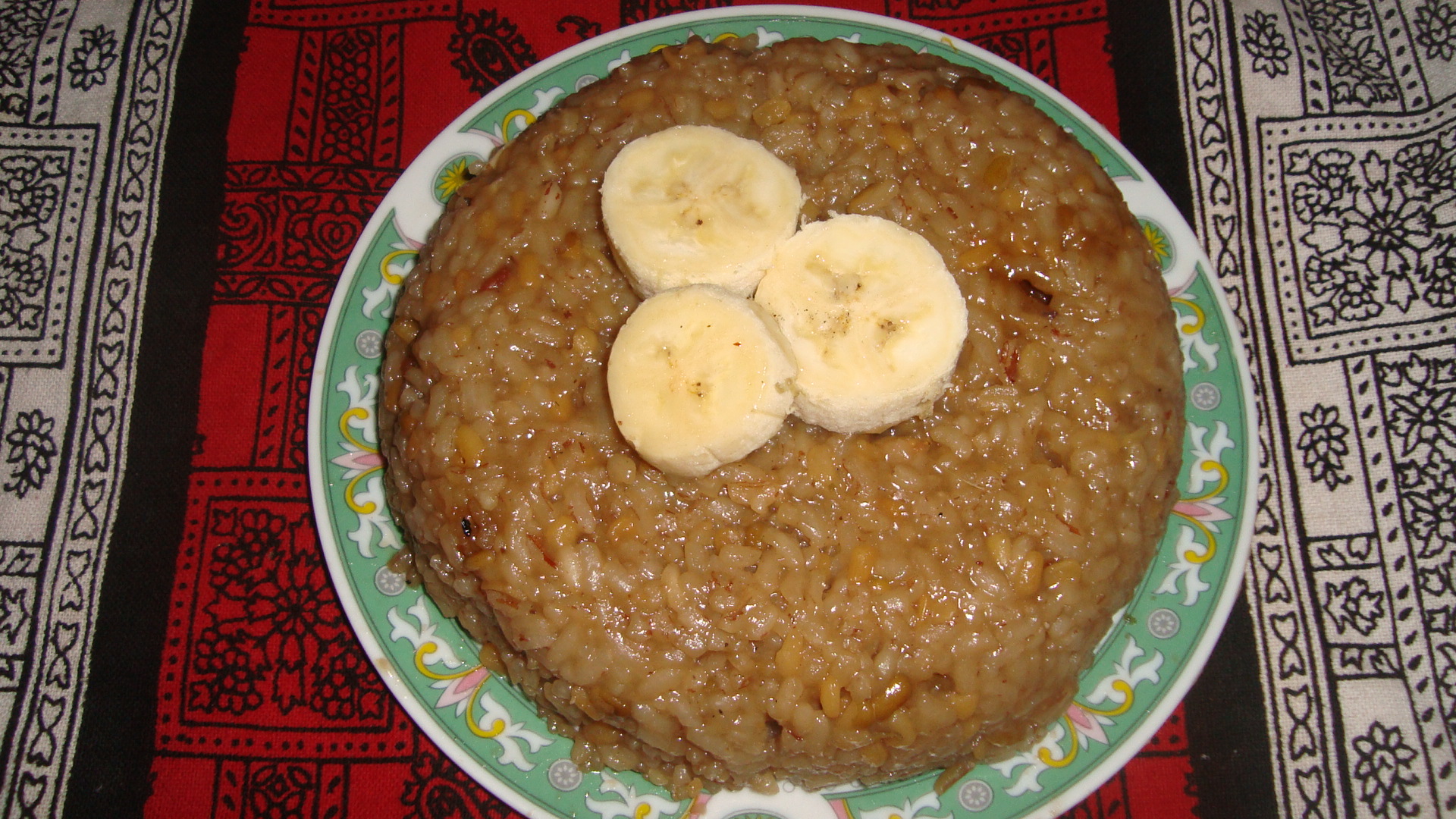
Today, I will share the recipe of pongal that is made with the first harvest of the season by farmers and by non-farmers on festival days such as the Pongal festival in January, New Year in April and other celebrations.

Pongal

Cooking time: 30 to 40 mins

Serves 4 or 5

Pongal

Ingredients:

  • Rice – 1 cup
  • Roasted split gram (without skin) – ¼ cup
  • Jaggery – 1 cup (grated)
  • Coconut – ½
  • Cardamom – 4 or 5, crushed
  • Cashew nuts – few, chopped
  • Raisins – 1 tbsp
  • Water

Method:

  1. Wash the rice and gram and cook them in a pot with 2 ½ cups of water. Cook for around 15 to 20 mins, till the water dries up.
  2. Grind and extract coconut milk by blending the freshly scraped half of a coconut with 1 cup of water.
  3. Once the rice and gram is cooked, add the grated jaggery and mix.
  4. Then, add the coconut milk and crushed cardamoms. Bring to a boil on high heat and cook for a few more minutes before reducing the heat.
  5. Add the chopped cashew nuts. Cook until the pongal mixture starts coming together and starts to thicken.
  6. Just before removing from heat, add the raisins and mix.
  7. Remove from heat and cover.
  8. Serve pongal with bananas.

Recipe source: Raji Thillainathan.
Kiribath with Lunu Miris

In lieu of a basic intro, I will quote a line from Indika’s email:

“you don’t eat kiribath with pol sambol it should be lunu miris.”

So, Indika’s second recipe for the day is the traditional combination of kiribath with lunu miris.

(a) Kiribath

Cooking time: 30 mins

Serves 2

 Ingredients:

  • 1 cup rice
  • Coconut milk
  • pinch of salt

Method: 

  1. Soak 1 cup rice in water for few minutes.
  2. Boil the rice with coconut milk till rice is very soft (When adding coconut milk  mix pinch of salt to the coconut milk and add it to the rice).
  3. When the rice is boiling mix with a wooden spoon.

 (b) Lunu miris

 Ingredients: 

  • 10 small onions cut into pieces
  • 02 tablespoons crushed red chillies
  • Pinch of table salt
  • Few drops lemon juice

 Method:

  1. Add first three ingredients together and mix it in a grinder for 01 minute.
  2. Take the mixture out and add the lemon juice.
  3. Serve with Kiribath.

Recipe Source: Indika K.

Kiribath with pol sambol and seeni sambol

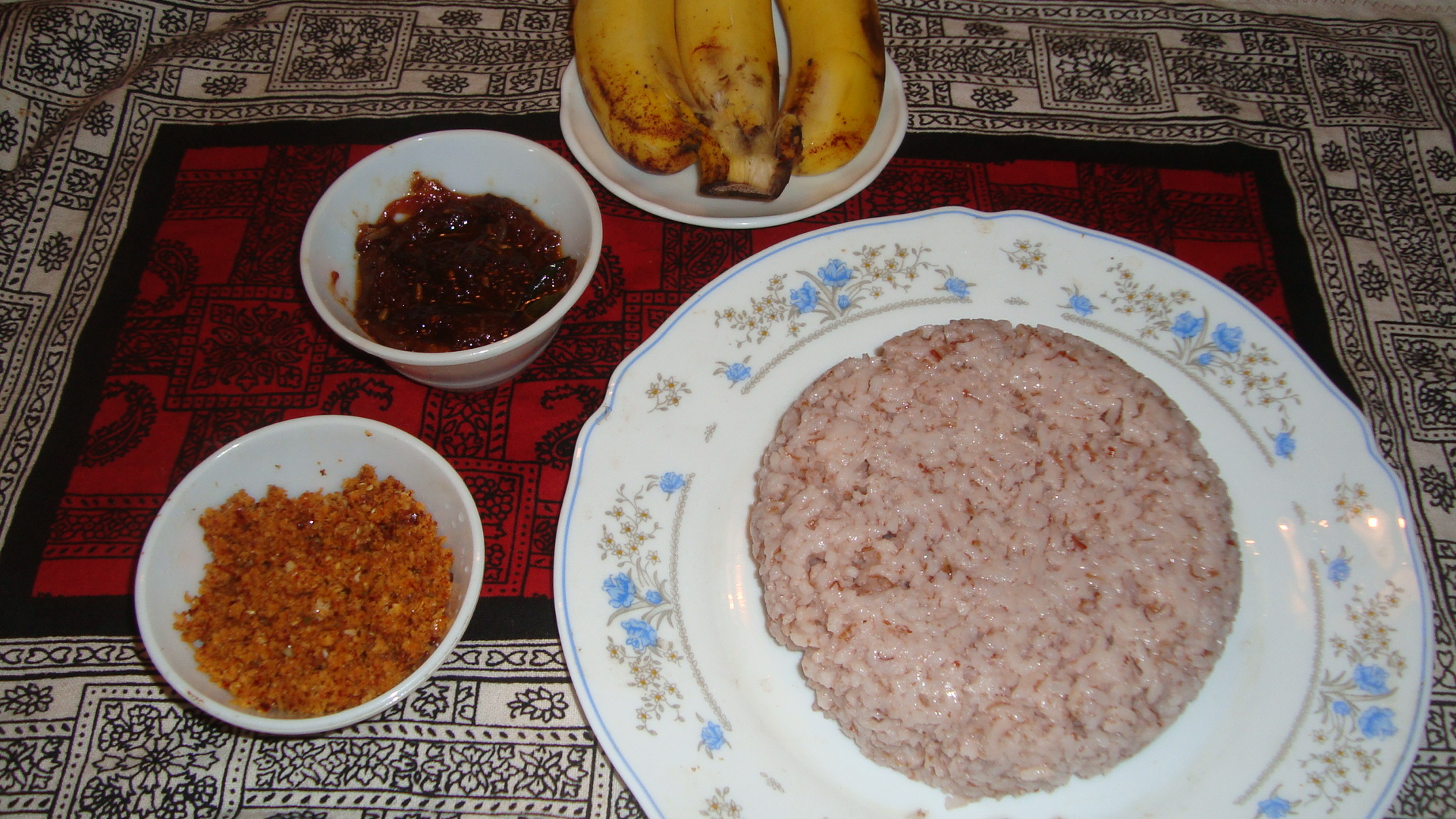
This is my mother’s version of the traditional South Sri Lankan breakfast. It is very much part of the Sinhalese cuisine and a must during New Year celebrations and birthday breakfasts. I like kiribath, more so than the milk rice equivalent in Tamil cuisine called pongal. Therefore, my mother makes kiribath occasionally at home for breakfast. While I will be posting other kiribath recipes when sent in by friends, I am posting today my mother’s recipe for this coconut milk rice dish and accompaniments.

South Sri Lankan breakfast

The recipes below serve 3 – 4 persons.

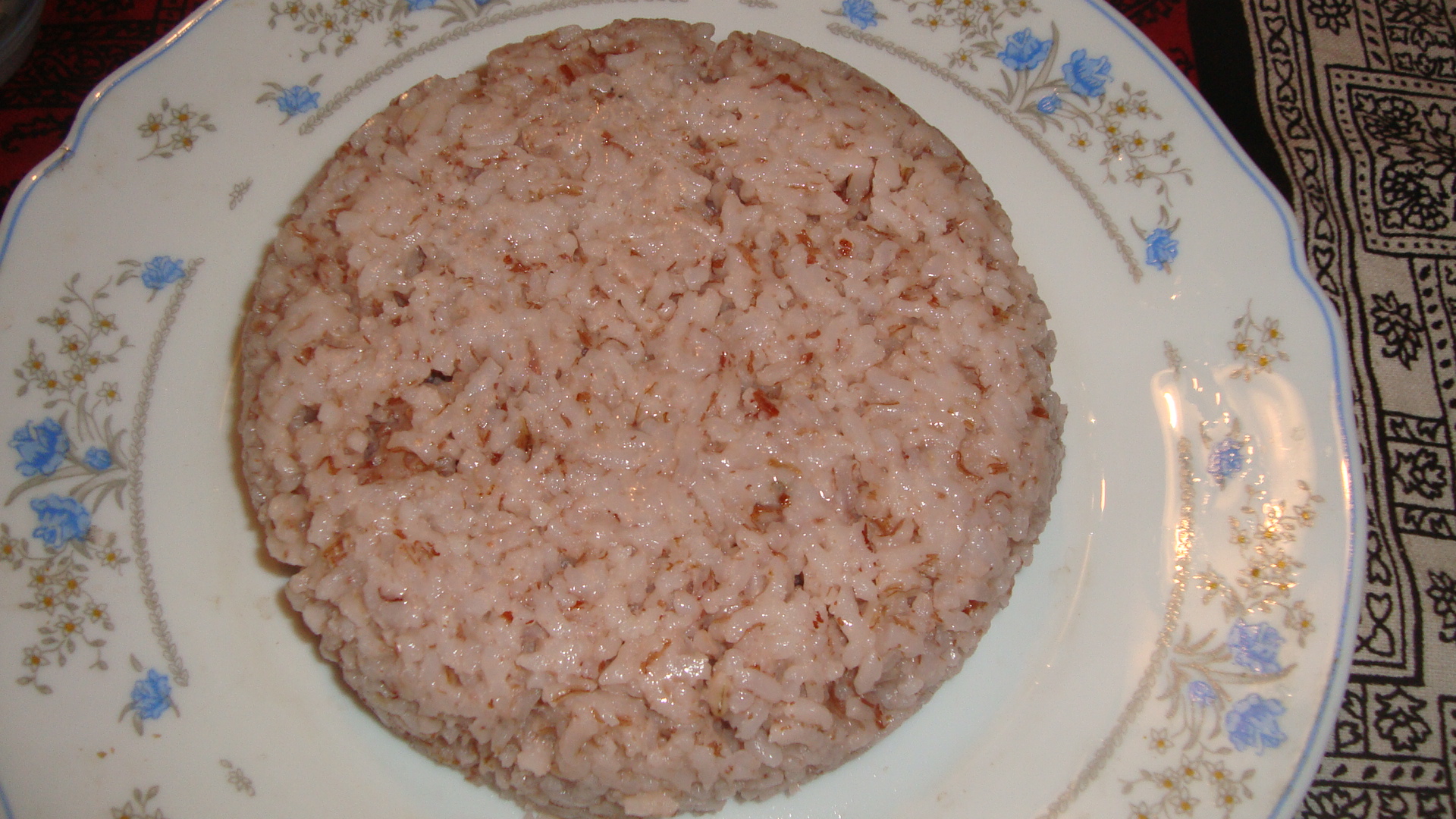
(a) Kiribath

Cooking time: 20 to 25 mins

Kiribath

Ingredients:

  • Rice – 1 cup
  • Coconut powder – 3 tbsp
  • Salt, 1 tsp or to taste
  • Water

Method:

  1. Place the rice in a rice cooker and add water to about 2 inches above the surface of the rice. Add the coconut powder and mix. For those who prefer using fresh coconut milk, they can add the coconut milk of medium consistency instead of adding water and coconut powder.
  2. Add salt to the rice and milk mixture and boil the rice.
  3. Once the coconut milk rice has been cooked, it can be put in bowls. Before serving, upturn the molded rice onto a plate or tray.
  4. Serve with pol sambol, seeni sambol and bananas.

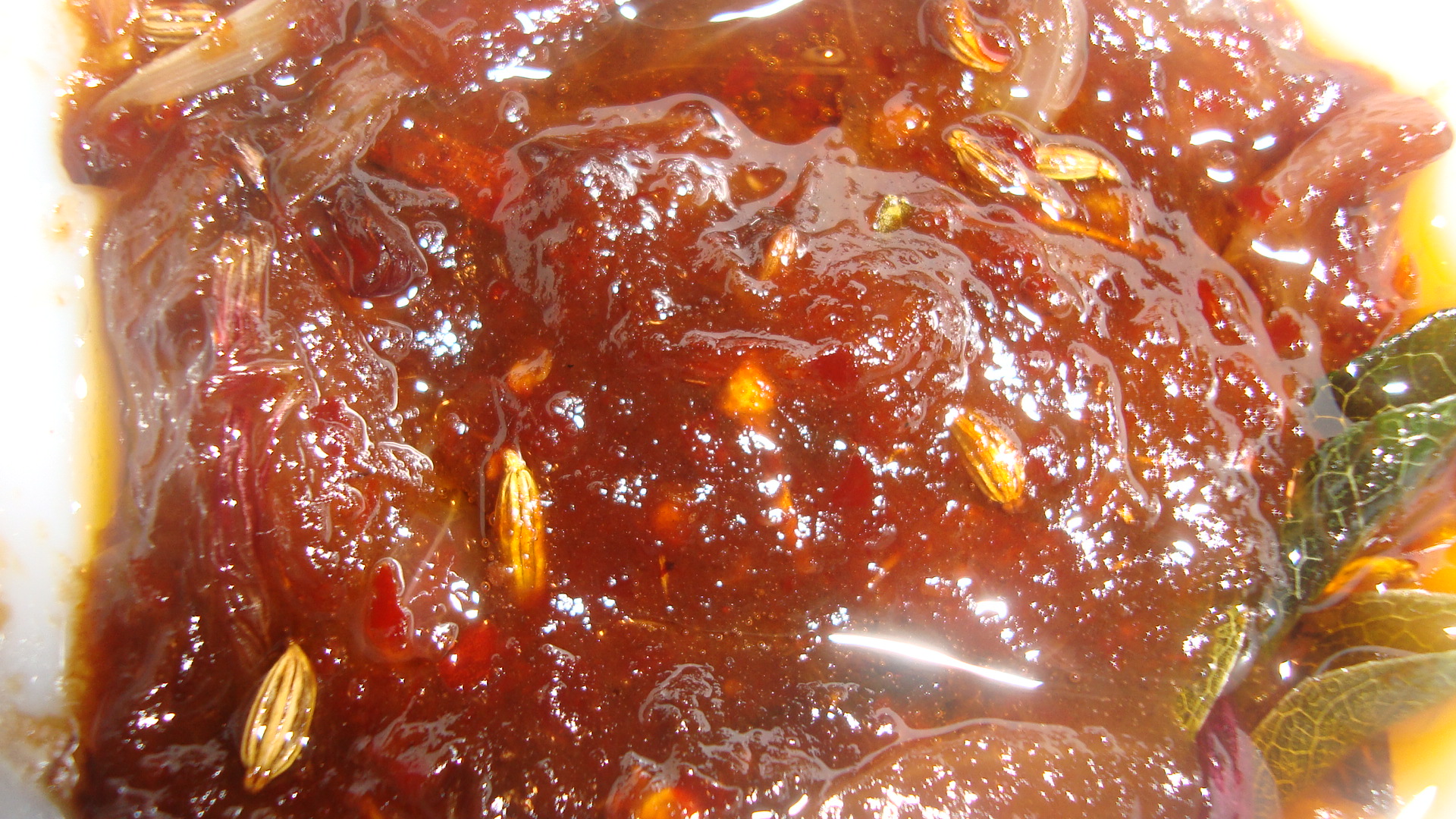
(b) Seeni Sambol

Cooking time: 15 mins

Seeni Sambol

Ingredients:

  • 1 onion, large
  • Fennel seeds – ½ tsp
  • Curry leaves – 1 sprig
  • Cinnamon – 1” stick
  • Tamarind extract – ½ cup extracted from 1 small ball of tamarind
  • Crushed chillies – 1 tsp
  • Sugar – 1 tsp
  • Low fat oil (canola or sunflower) – 1 tbsp

Method:

  1. Chop up the onion in thin, long slices.
  2. Heat 1 tbsp oil in a pan and sauté the fennel seeds, curry leaves and pieces of the cinnamon stick. Add the onions and sauté on low heat, for about 5 – 7 mins, till the onions lightly brown.
  3. Add the tamarind extract of medium consistency and crushed chillies to the pan and cook till the onion sauce thickens.
  4. Add 1 tsp of sugar, mix well and cook for about 2 mins more before removing from heat.
  5. Serve with kiribath.

(c) Pol Sambol

Cooking time: 5 to 10 mins

Pol Sambol

Ingredients:

  • Scraped coconut – ½ cup
  • Dried red chillies – 3
  • Onion – 1 small
  • Curry leaves – 1 sprig
  • Low fat oil (canola or sunflower) – 1 tsp

Method:

  1. Chop up the chillies, onion and curry leaves and lightly sauté in a little oil.
  2. Remove the chillies, onion and curry leaves from the oil and mix with the scraped coconut.
  3. Add salt to taste and grind the mixture to a sambol texture.
  4. Serve with kiribath.

Recipe source: Raji Thillainathan.
Wattalapam Jelly Pudding

As part of the Eid special series,

(e) Wattalapam jelly pudding

Originally from the Sri Lankan Malay cuisine, wattalapam has become a dessert that is made by all communities in Sri Lanka.  This recipe of my mother is an adaptation of the traditional wattalapam into a jelly pudding.

Cooking time: 15 minutes

Serves 4

Wattalapam jelly pudding

Ingredients:

  • Thick coconut milk – 1 cup (this can be obtained by blending ¼ cup freshly scraped coconut with 1 cup of water)
  • Egg – 1 (can use 2 tbsp corn flour as a substitute)
  • Jaggery – ½ to 1 cup, depending on taste
  • Cardamom – 3 or 4, crushed
  • Vanilla extract – 2 tsp
  • Agar agar – 2 tbsp
  • Hot water – 6 tbsp

Method:

  1. Mix the coconut milk and jaggery.
  2. Lightly whisk the egg before adding the jaggery-milk mixture. Blend the mixture well.
  3. Add the crushed cardamom and vanilla extract to the mixture.
  4. Cook the pudding mixture on low heat, stirring continuously, for about 10 mins.
  5. Remove the thickened mixture from the heat and keep aside to cool.
  6. Take 2 tsp agar agar powder and mix with 6 tbsp hot water.
  7. Beat the agar agar mix into the slightly cooled pudding mixture.
  8. Cool and refrigerate.

Recipe Source: Raji Thillainathan.