Spicy Curd Rice

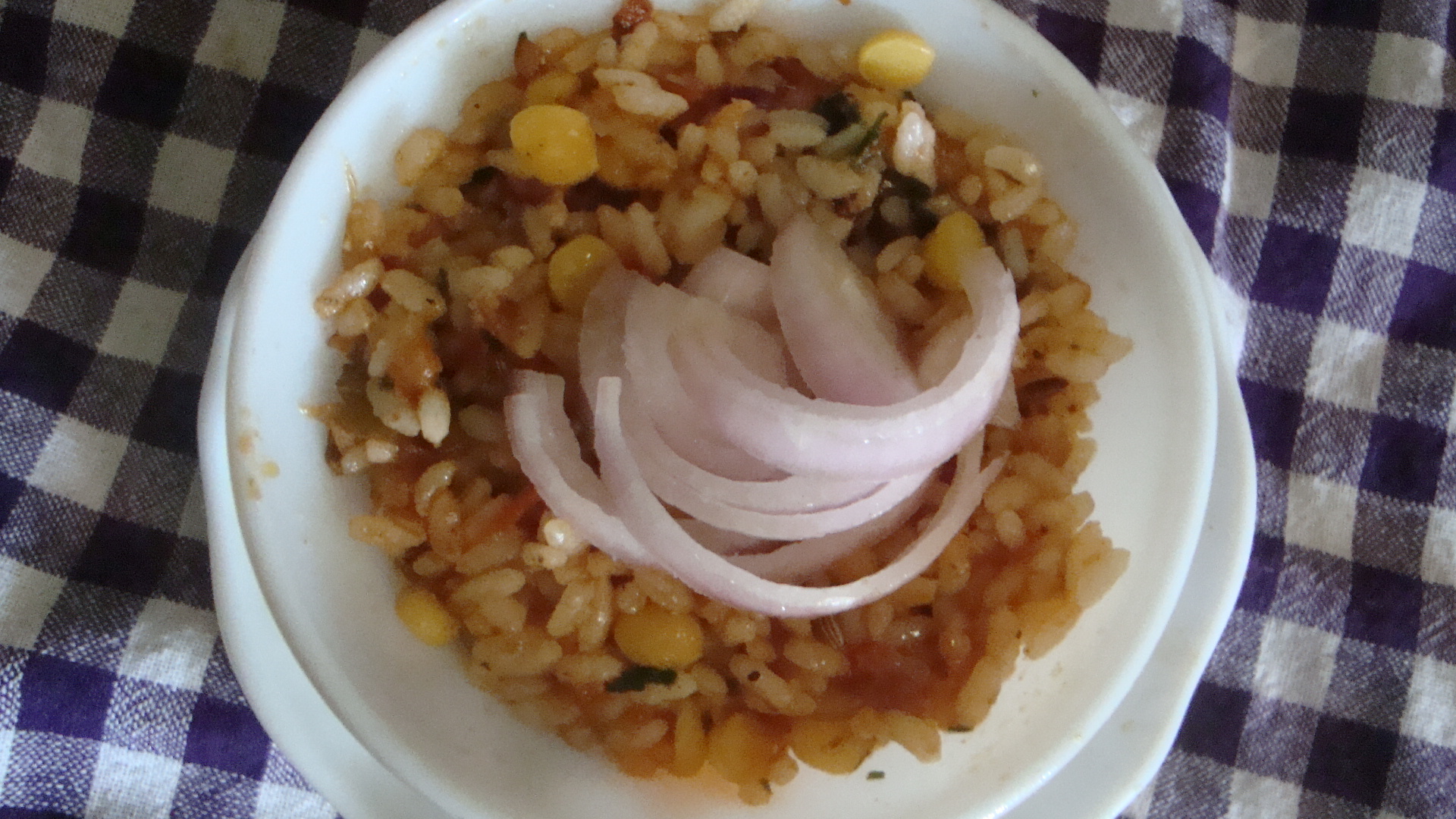
The rice dish for today is a tasty spicy, curd rice.
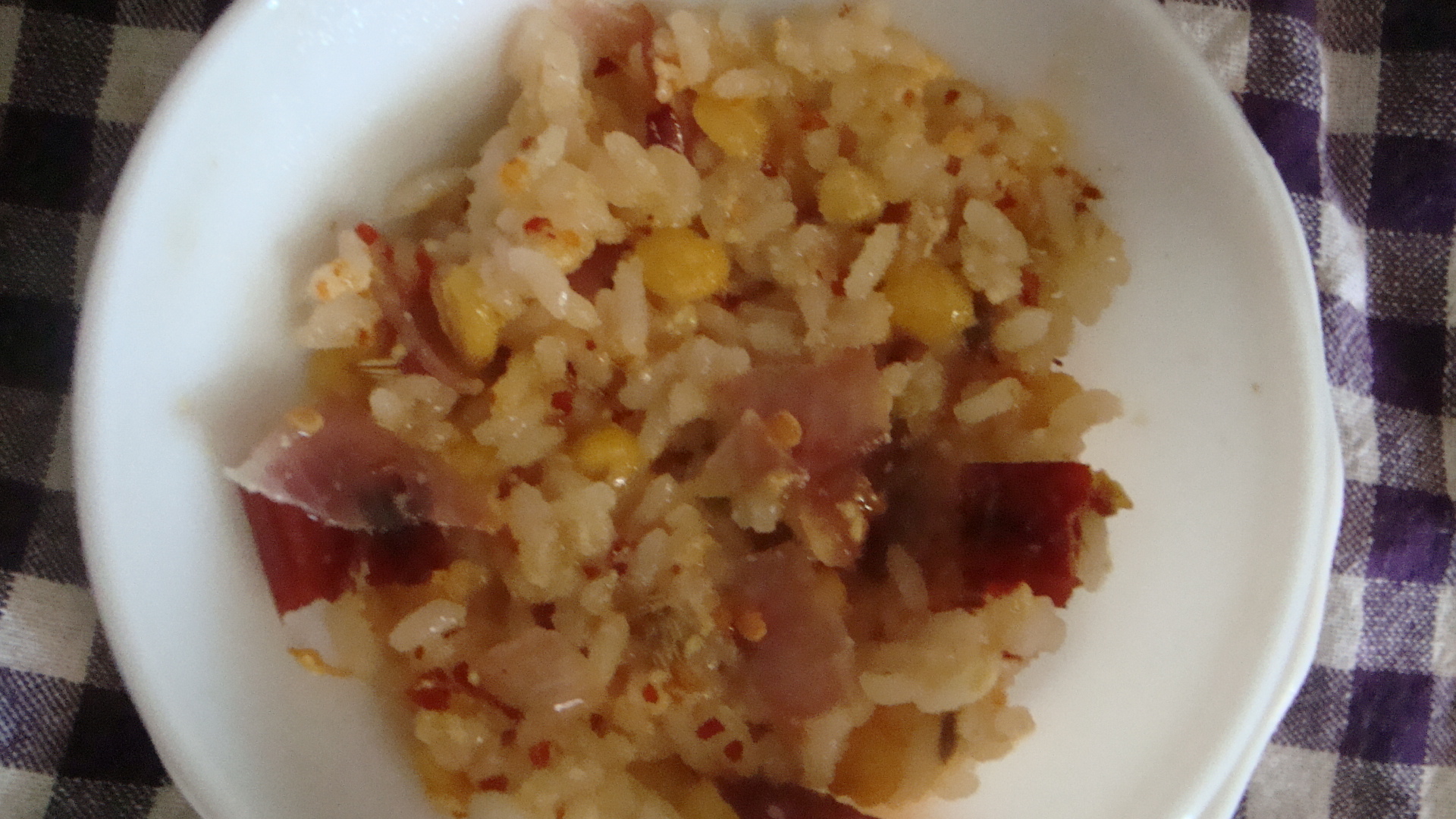
Spicy curd riceWhile not a fan of hip hop, I felt like featuring three musicians who are primarily considered hip hop artists though several of their songs cross over to other genres.

The first is Iraj Weeraratne. His songs like  J town story, Gemak Deela caught my ears and eye over the years. In more recent years, he seems to be more engaged in composing or singing in Indian movies and multi-country collaborative song productions. The song that I am sharing here is from his debut album a decade ago – ‘J town Story’ with Krishan featuring Yawuwanan and Infaas.

The second featured musician is Ranidu Lankage. A R&B and hip hop musician and an economics graduate of Yale university, his first solo album released a decade ago was a huge success. Here, I am sharing the song that made him famous – Ahankara Nagare (the remix version with Iraj). While I haven’t listened to many other songs of his, I did like a recent song that he dedicated to all mothers – Amma mathakai nam.

The third featured musician of the day is Ashanthi de Alwis. She has released four music albums and featured in several songs of Bathiya and Santhush (I shared a recent production of the popular music duo in last week’s post). The song of Ashanthi’s shared here is an upbeat, catchy song ‘Papare’ featuring Krishan.

Spicy Curd Rice

Time taken: 30 persons

Serves 3

Curd RiceIngredients:

  • Rice – 1 cup
  • Curd – ½ cup
  • Crushed chillies – 1 tsp (optional)
  • Chickpeas – 1 tbsp, fried
  • Dried red chillies – 2, chopped (adjust according to taste)
  • Onion – ½ , chopped
  • Fenugreek – 1 tsp
  • Curry leaves – 2 sprigs
  • Sesame/ Gingelly oil – 1 tbsp

Method:

  1. Lightly fry the chopped onion, fenugreek seeds, curry leaves and chopped dried chillies in a tablespoon of sesame oil.
  2. Add the crushed chillies and fried chickpeas to the pan.
  3. Next, add the yoghurt and mix well before adding the boiled rice.
  4. Stir well before removing from heat and serve immediately.

Recipe source: Raji Thillainathan.
Kanji

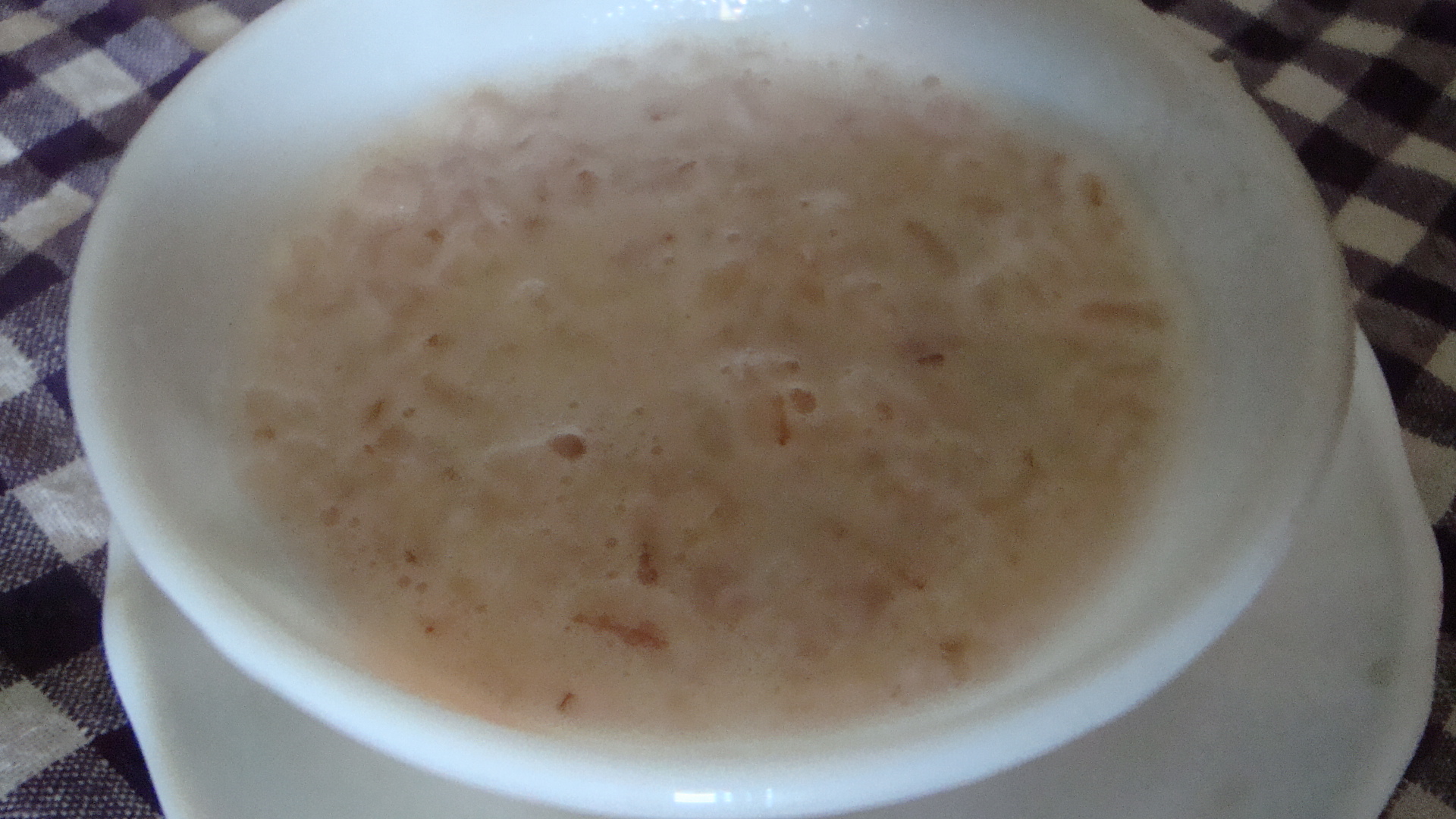
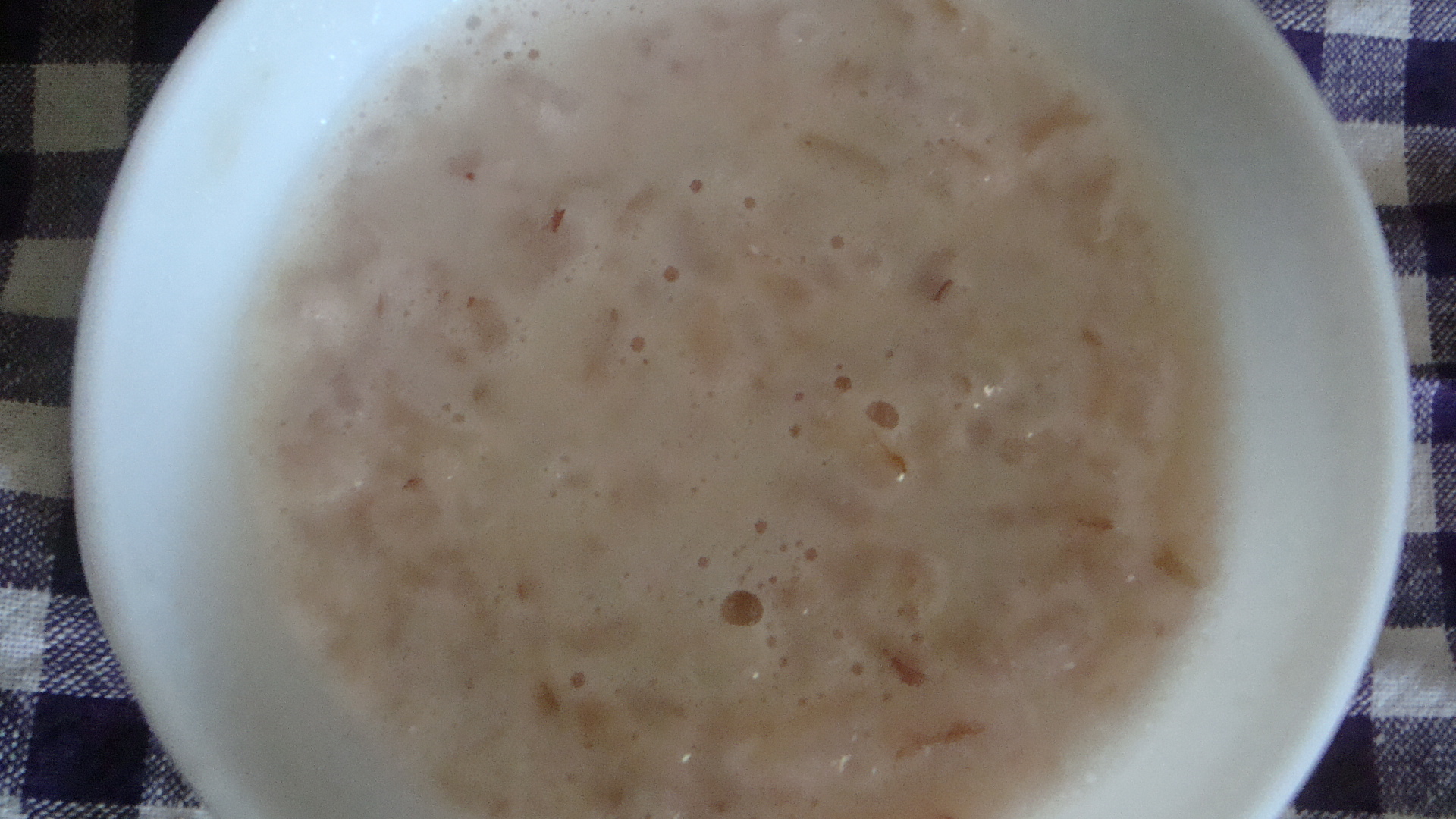
Today’s dish is Kanji or rice porridge, a favourite of my father.

Kanji

The featured musician today is Pradeep Ratnayake. Given that one of my favourite musicians is Ravi Shankar, it follows that I also appreciate the music of the two best contemporary sitar players in Sri Lanka – Pradeep Ratnayake and Sarangan Sriranganathan (whom I featured in yesterday’s post). Pradeep Ratnayake’s sitar training started at the age of five and he eventually chose a degree in sitar at Santiniketan over a degree in mathematics. Among other concert performances, he initiated his Pradeepanjalee concerts in 1997 which has become an annual concert performed usually at a different location around the world.

The first piece of Pradeep Ratnayake shared here is an original composition titled ‘Kuweni Concerto for sitar, cello and orchestra: Movement 1.’

The second piece is Wine-coloured moon (Melbourne version) with Joe Chindamo (piano), Alston Joachim (bass) and Daniel Farrugio (drums).

Enjoy the instrumental music clips while trying out the rice porridge (Kanji).

Kanji

Time taken: 20 mins

Serves 2

Kanji2Ingredients:

  • Red raw rice – 2 tbsp
  • Milk (Coconut or non-fat)  – 1 cup
  • Water – 1 cup
  • Salt, to taste
  • Pepper – ¼ tsp (optional)
  • Garlic – 2 or 3 cloves, chopped (optional)
  • Sugar – 1 tsp (optional)

Method

  1. Cook 2 tbsp of red raw rice in 1 cup of water for about 10 – 15 mins.
  2. Once the water dries up, add the milk to the cooked rice along with a pinch of salt. The optional ingredients such as pepper and garlic can be added now, if required. Cook for about 5 mins.
  3. Transfer to the serving bowls. Add a dash of sugar, if you like. Serve warm.

Recipe source: Raji Thillainathan.
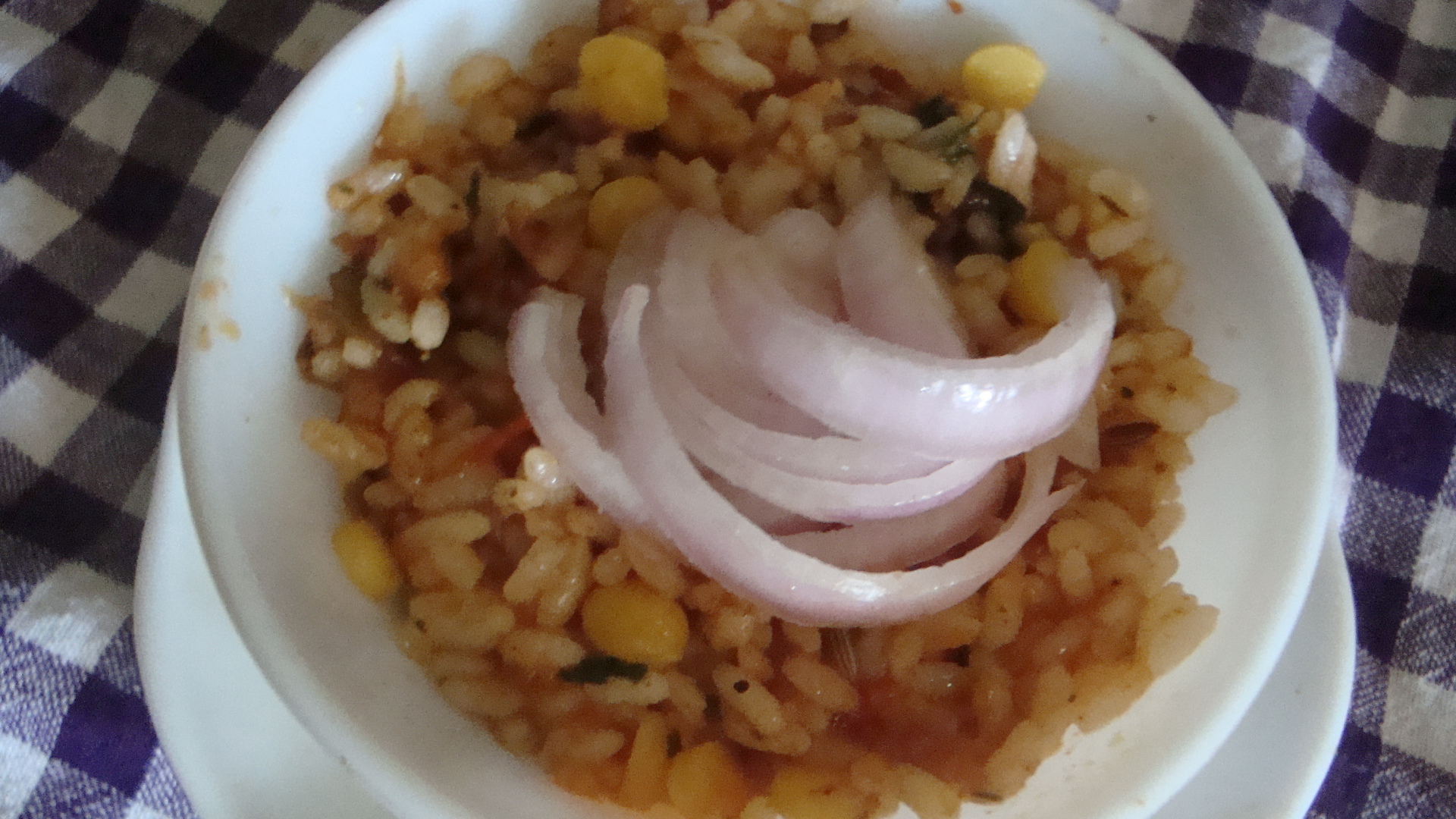
Tomato Rice

My mother wanted to have a rice series so I will be sharing some of her rice recipes starting today with tomato rice.

Tomato riceWith each of the rice dish recipe, I will also be sharing a song or two by an interesting, contemporary Sri Lankan musician whose music I have enjoyed. Today’s featured musician is Sarangan Sriranganathan. Coming from a musical family, he has been on the Sri Lankan music scene for at least fifteen years.  For today, I chose two video clips that I was able to find online. The first is an original composition by Sarangan – அவள் ஒரு மெல்லிய பூங்காற்று (literal translation: She is a light, fragrant breeze) featuring famous Indian musician Hariharan.

I like that he is well able to shift between classical and popular music and I particularly like the classical music concerts. So, my second video clip is Sarangan’s performance in Sydney of one of his mother‘s original compositions ‘Bhava Raaga Thaala – Thillana.’

Enjoy the delicious tomato rice as you listen to the music clips! 🙂

Tomato Rice

Time taken: 30 mins

Serves 3

tomato rice 2Ingredients:

  • Rice – 1 cup, boiled
  • Tomatoes – 2
  • Onion – ½ , large
  • Curry leaves – 1 sprig
  • Fenugreek – 1 tsp
  • Chilli powder – ½ tsp
  • Chickpea – 2 tbsp, fried
  • Oil – 1 tbsp

Method:

  1. Heat the oil and lightly fry the onion, curry leaves and fenugreek.
  2. Add chopped tomatoes and chilli powder and continue frying for a few minutes before removing from heat.
  3. Blend the cooled tomato mixture into a puree.
  4. Re-heat the puree in the pan adding some water, if required.
  5. Add the boiled rice and the fried chickpea to the pan and mix well.
  6. Serve with sliced onion or onion salad.

Recipe source: Raji Thillainathan.

Mung Kavum

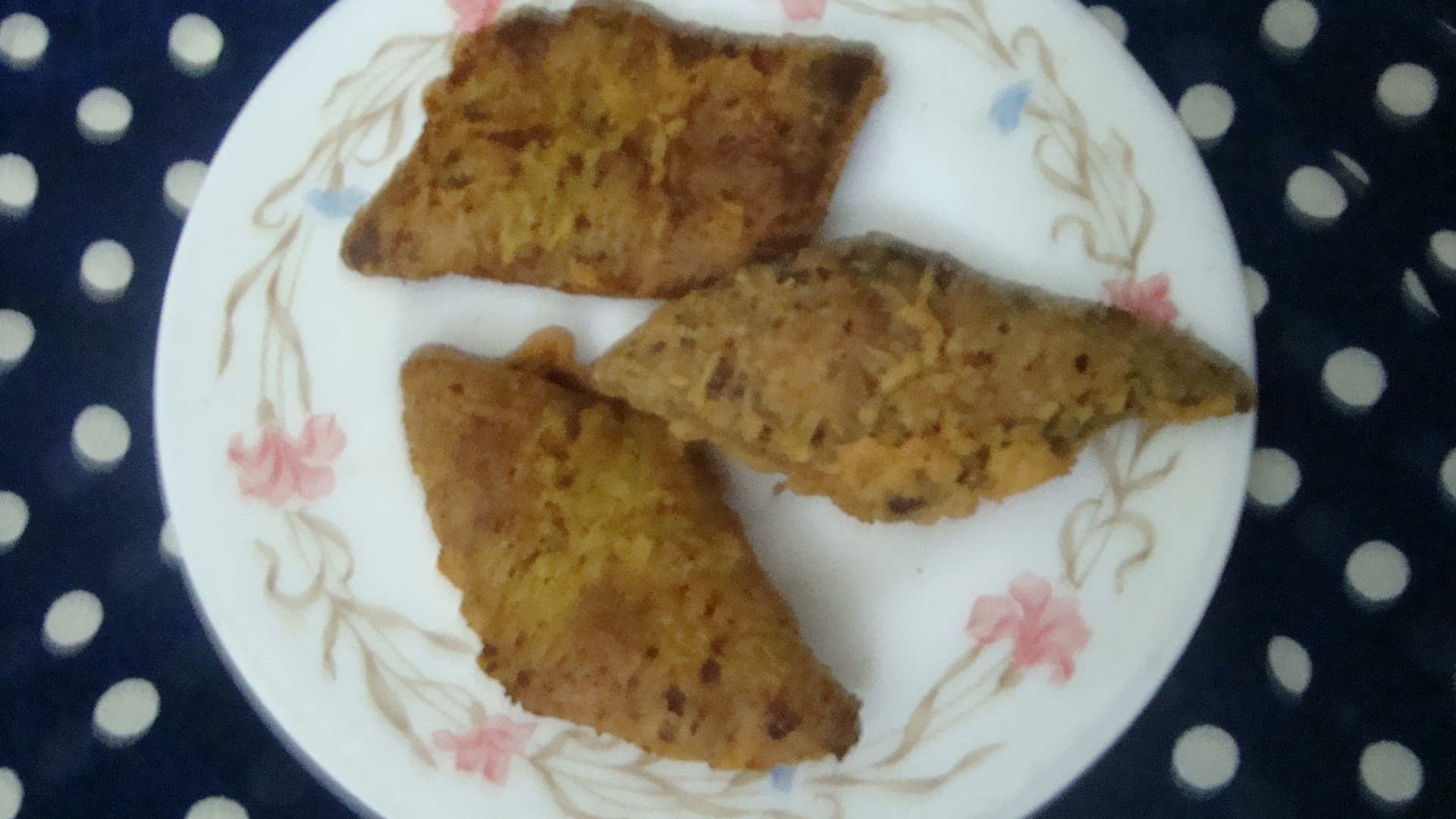
Mung Kavum is another New Year delicacy. I find it similar to payatham paniyaram, a north Sri Lankan festival snack that is usually prepared at my home. The difference is that in the north, it is made a little more spicy by the addition of cumin and pepper.

Mung KavumAs I am writing this, I am listening to a new song of Bathiya & Santhush, a popular Sri Lankan band. Sharing it with you as well.


Mung Kavum

Time taken: 1 hour

Makes 25 – 30

Mung KavumIngredients:

  • Rice flour – 500g + 250g
  • Green gram flour – 1 Kg
  • Pol pani/ Coconut treacle – 3 cups (~700ml)
  • Margarine – 3 tsp
  • Cardamom powder – 1 or 2 tsp
  • Turmeric powder – ½ tsp
  • Salt, to taste
  • Oil, for deep-frying

Method:

  1. Warm up the pol pani. Remove from heat.
  2. Add 500g rice flour, green gram flour, cardamom powder and margarine to the warmed up pol pani.
  3. Mix together to form a dough and roll it out. Cut into diamond shapes and keep aside.
  4. Prepare the batter by gradually adding water to 250g rice flour mixed with ½ tsp of turmeric powder and a pinch of salt.
  5. Heat the oil in a pan.
  6. Dip the diamond shapes in the batter to coat it on all sides and then deep-fry.

Recipe source: Lalitha Senadheera.

Kokis

Today’s New Year traditional dish recipe is that of Kokis. It is a type of fried cookie which I used to think was typically Sri Lankan. However, during my Indian culinary journey last year, I came across Ruchik Randhap’s Mangalorean cuisine site and there was a recipe for Kokis (referred to in Mangalore as Kokkisan or Rose cookies). One of my friends from Sweden, Malin, then informed me that kokis reminded her very much of the Scandinavian traditional cookies called Rosettes. I guess the cookie found its way to India and Sri Lanka during the Dutch era here.

The only difference in Sri Lanka is that unlike in the rest of the countries where it is a very traditional Christmas cookie, in Sri Lanka it is part of the Sri Lankan New Year food (celebrated primarily by the Buddhists and Hindus in the country) and not part of the Christmas cuisine.

Kokis

Time taken: 1 ½ hours

Makes 35 to 40

KokisIngredients:

  • Rice flour – 500g
  • Turmeric – ½ tsp
  • Coconut milk – 1 cup
  • Water – ½ cup
  • Egg – 1 (optional)
  • Salt, to taste
  • Oil, for deep-frying

Method:

  1. Mix all the ingredients together to make the batter.
  2. Heat the oil in a pan over medium heat.
  3. Prepare the kokis mould by placing it in the oil until it is heated.
  4. Plunge the mould into the batter until it is coated and then place it in the oil pan.
  5. Using a skewer or pointed end of a spoon or fork, gently slide the kokis off the mould as soon as it starts to puff up and is easy to slide it off without crumbling it.
  6. Fry the kokis until golden brown and remove from pan.
  7. Repeat the process by heating the mould in the oil for a few seconds before plunging it in the batter. This allows the kokis batter to first coat the mould and then to slide off without sticking to the mould.
  8. Store in an air-tight container.

Recipe source: Lalitha Senadheera.

Konda Kavum

It’s been two weeks since the New Year celebrations. I asked a friend of my mother to share a few recipes of the traditional dishes she made during this time. She shared three of her recipes which I will be sharing this week.

The first is Konda Kavum, a snack my mother is particularly fond of since her childhood.

Konda Kavum

Time taken:  1 ½ hours

Makes 25 to 30 kavum

Konda KavumIngredients

  • Rice flour – 4 cups
  • Brown sugar – 1 cup
  • Vegetable oil margarine – ½ cup (100 g)
  • Coconut milk – 1 1/3 to 1 ½ cups (300 ml)
  • Cardamom – 2 or 3
  • Kithul pani/ palm jaggery treacle – ½ cup
  • Oil, for deep-frying

Method:

  1. Mix all the ingredients in a bowl to make the batter. Set aside for 30 mins so that the ingredients can mix well.
  2. Heat the oil in a pan.
  3. Scoop two tablespoon of the batter into the pan.
  4. Plunge a long stick skewer in the middle of the batter holding it in place.
  5. Turn the batter with the spoon as it gets cooked while rotating the skewer rapidly, like a spinning top but keeping it in one place.
  6. The batter soon puffs out and a tiny mound forms at the center. Continue the rotation until the kavum is fully cooked.
  7. Remove the kavum and place in a tray lined with grease absorbing paper. Repeat the process until the batter is finished.
  8. Store in an air-tight container.

Recipe source: Lalitha Senadheera.

Vengayapoo Varai

Today’s recipe is one of my mother’s quick and easy to prepare, delicious stir-fried dishes made with onion stalks and flowers/ vengaya poo.

Stalk

Vengaya Poo Varai

Time taken: 25 mins

Serves 2

vengaya poo varaiIngredients:

  • Spring onion stalk and flower/ Vengaya poo – 1 cup, chopped
  • Carrot – ½ cup, chopped
  • Onion – 1 tbsp, chopped
  • Green chilli – 1, chopped
  • Fennel – ½ tsp
  • Crushed red chillies – 1 tsp
  • Gingelly/ Sesame oil – 2 tbsp

Method:

  1. Clean the onion stalks and carrot and chop them into small pieces. Add some salt and keep aside.
  2. Heat 2 tbsp oil in a pan. Add the fennel seeds, chopped onion and green chilli. Fry for 2 mins.
  3. Add the chopped and salted onion stalks + flowers and carrots to the pan. Add 1 tsp crushed chilli and mix well.
  4. Cook for around 10 mins over low heat.
  5. Remove from heat and serve warm.

Recipe source: Raji Thillainathan.
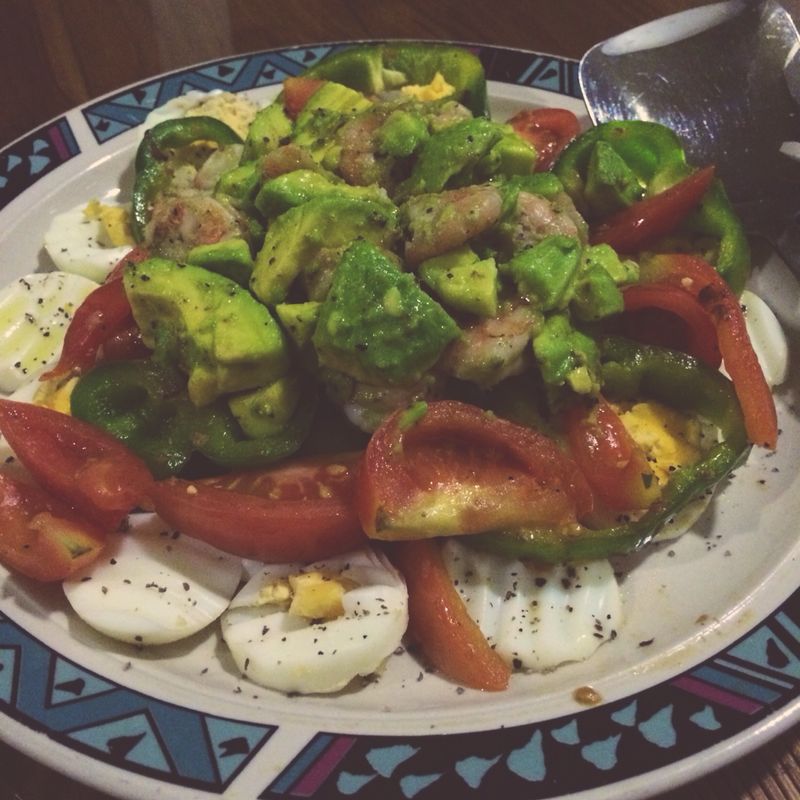
Prawn, Avocado and Egg salad

Today’s guest blogger is Rushda (lìng yīgè tóngxué). She told me she prefers salads when it came to cooking. So, I asked her to share one of her successful salad recipes.

Prawn, Avocado and Egg salad

I like experimenting with cooking and love to take up the challenge in making a dish out of whatever ingredients are available in my fridge when I decide to cook. I would also rather that someone else does the cooking and feeds me than do the cooking myself.

Rushda saladTime taken: 20 to 30 mins

Serves 2 or 3

Ingredients:

  • Boiled eggs –  2 or 3, sliced
  • Avocado – 1, cubed
  • Prawns or baby shrimps – handful
  • Tomatoes – 2 or 3
  • Bell peppers – 1 or 2 (different colours are better)
  • Lime juice – 1 or 2 tbsp
  • Mixed herbs – oregano and rosemary – ½ tsp (optional)
  • Black pepper – ½ to 1 tsp, crushed
  • Garlic – 2 or 3 cloves, crushed
  • Salt, to taste
  • Sugar, pinch
  • Vinegar – 1 tsp
  • Olive oil, as required

Method:

  1. Make the salad dressing by mixing olive oil, vinegar, pinch of sugar, mixed herbs and finely crushed garlic. Keep aside.
  2. Heat the cleaned and de-shelled prawns in a non-stick pan on low heat till it is cooked enough. Just sprinkle a bit of lime juice over it while cooking – don’t add water or oil while cooking. After the prawns are cooked and cooled, drizzle a bit of olive oil over it and sprinkle some pepper and salt over them. If salt is used here, it is not required to be used again in the recipe.
  3. Toast the roughly cut tomatoes in a wok or pan over low heat.
  4. Meanwhile, slice the boiled eggs, bell peppers and cube the avocado.
  5. Assemble the ingredients on the salad plate, in an eye-catching way.
  6. Drizzle the salad dressing over the salad.

Recipe source: Rushda.

Seeni Sambol

Since I started this blog, I have developed this tendency of asking fellow Sri Lankans I meet  to contribute one of their favourite recipes to the blog. One such instance was when I invited my Mandarin language classmates to contribute to the blog and starting today, over the next few weeks, the guest posts will feature a few recipes shared by my class.

Today’s guest blogger is Hasini Wanninayake. She is currently an international studies undergraduate at Kelaniya university and plans to join the foreign service after her graduation.

Seeni Sambol

This is a side dish that my mother often makes at home. It can be eaten with hoppers, kiribath or in a sandwich.

seeni sambalTime taken: 30 mins

Serves 5 to 6

Ingredients:

  • Onions – 5, large
  • Maldive fish – ¼ cup (optional)
  • Ginger – 1”, crushed
  • Garlic – 2 or 3 cloves
  • Cinnamon – 1 piece
  • Cloves – 3 or 4
  • Curry leaves – 1 or 2 sprigs
  • Rampe  – 1 or 2” piece
  • Sera/ Lemongrass – ½ “ pieces
  • Tamarind paste – 1 tsp
  • Vegetable oil – 4 to 6 tbsp
  • Sugar – 2 tsp
  • Salt, to taste

Method:

  1. Peel and finely chop the onions.
  2. Mix the first nine ingredients (onions to lemon grass) in a bowl with a pinch of salt.
  3. Heat the oil in a shallow pan.
  4. When the oil starts to sizzle, add the mixed ingredients to the pan and keep stirring for 10 to 15 mins.
  5. When the onions are well fried and dry, add the tamarind paste to the pan.
  6. Continue stirring until the ingredients are well mixed.
  7. Fry a few minutes longer until the mixture turns dark brown.
  8. Add the sugar and keep stirring for a little while longer. Adjust salt, if required, before removing from heat.

Recipe source: Hasini Wanninayake.

Kimbula Buns

I think every bakery in Sri Lanka makes Kimbula buns. I first tried it out at my hostel canteen during my Peradeniya years and it became my regular breakfast along with a cup of coffee for the three years that I was there.

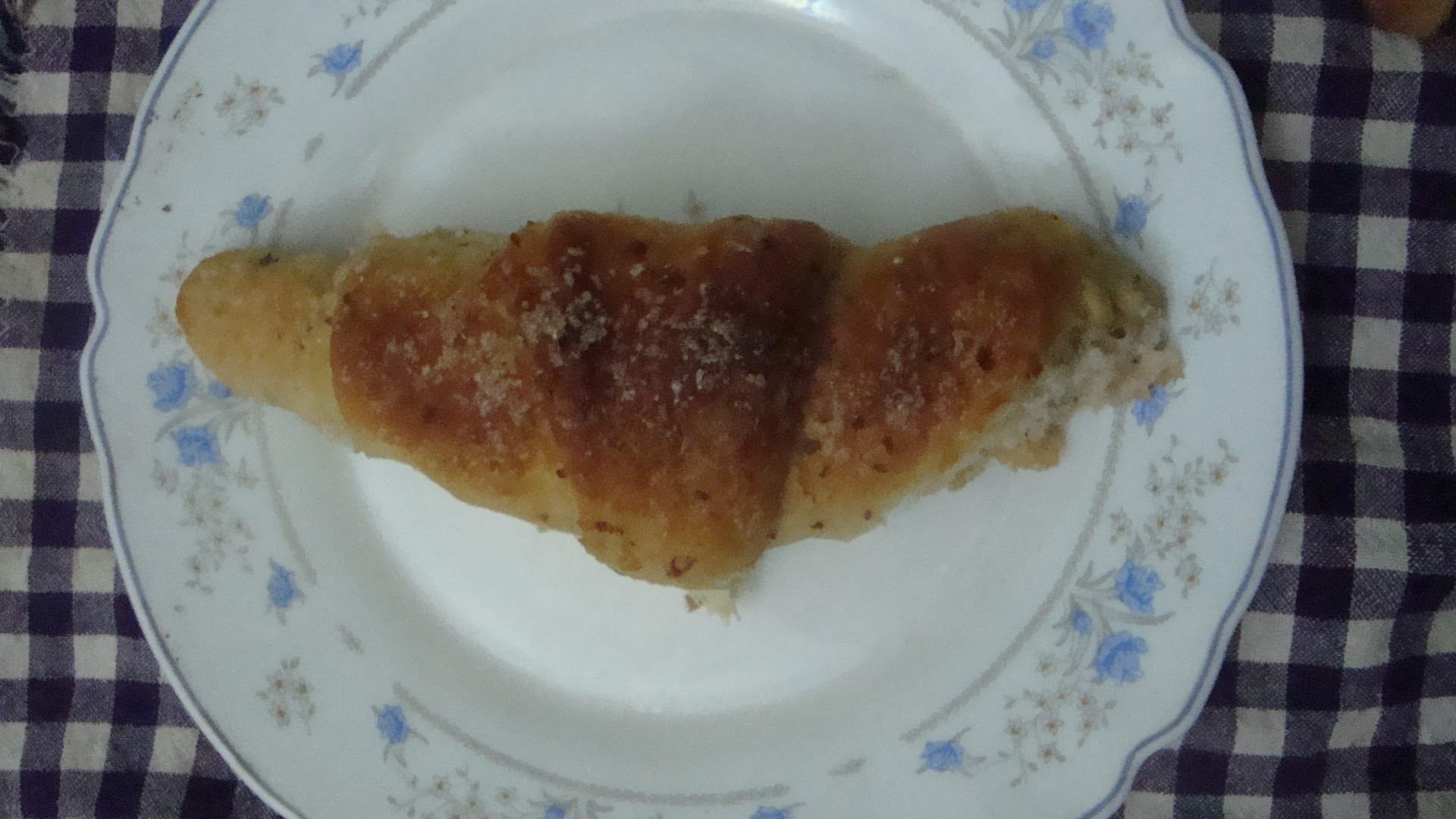
Kimbula buns – Kimbula means crocodile in Sinhala, is a crunchy sugar bun roughly sprinkled with sugar and has an elongated shape which earned it the name of one of the largest and common reptile in the country.

Since I enjoy baking the most when it comes to cooking, I decided to try making some kimbula buns. I found a couple of recipes on the web and a couple of weeks ago, I tried out this recipe. While Lani and her daughter Lorena love the milky taste of it, it was not what I was used to or expecting and it simply had too much milk powder.

DSC01084So, today, I decided I would try my own vegan version of the bun, based on Kitchen Cici’s bread recipe that I had tried out and enjoyed, and see if it could come anywhere close to the taste that I was used to. The resulting buns were still not what you would find in the bakery but they turned out good and as close as I got to the actual.

Kimbula bunsHere’s my amalgamated recipe of the recipes mentioned above, with my twist of vegan substitutions:

Kimbula Buns

Preparation time: 1 hour + dough resting time (1 hour + overnight in refrigerator)

Baking time: 30 mins

Makes 10 buns

DSC01115Ingredients:

  • All-purpose flour – 4 ½ cups
  • Almonds – a handful, ground
  • Flax seeds – 1 tbsp
  • Margarine – 4 tbsp
  • Brown sugar – ¼ cup
  • Salt – ½ tbsp
  • Instant yeast – 2 tsp
  • Warm water – 1 cup + 3 tbsp

Method:

  1. Add the sugar and yeast to a cup of warm water and let it rest for 10 mins in the mixing bowl.
  2. Roughly process the flax seeds with 3 tbsp water in a blender and transfer the mixture to the bowl. I didn’t process it to a fine powder.
  3. Add the margarine and ground almonds to the bowl. Mix well.
  4. Then, stir in gradually the flour ½ cup at a time, so that there are no lumps, until a smooth dough is formed. I was planning on using only 3 cups but ended up adding another 1 ½ cups so you may reduce or add more flour, as required, to make sure that the dough is not watery or too sticky.
  5. Cover the bowl with a clean cloth and let it rise for an hour.
  6. Punch down the dough that has doubled in size and transfer to a floured surface.
  7. Roll out the dough in parts, using a rolling-pin, so that it is easier to manage and cut out triangles.
  8. Take each triangle and roll it by hand, starting from the broader end of the triangle and finishing with the tip.
  9. Arrange them on the baking tray and place them in the refrigerator overnight so that you can bake them in the morning.
  10. Preheat oven at 170⁰C/ 338⁰F for a couple of mins.
  11. Brush the buns with melted margarine and sprinkle brown sugar over them.
  12. Bake for about 30 mins.
  13. Serve the buns fresh with a hot cup of coffee for breakfast.

Recipe source: Ahila Thillainathan.