Tomato and Potato Curry

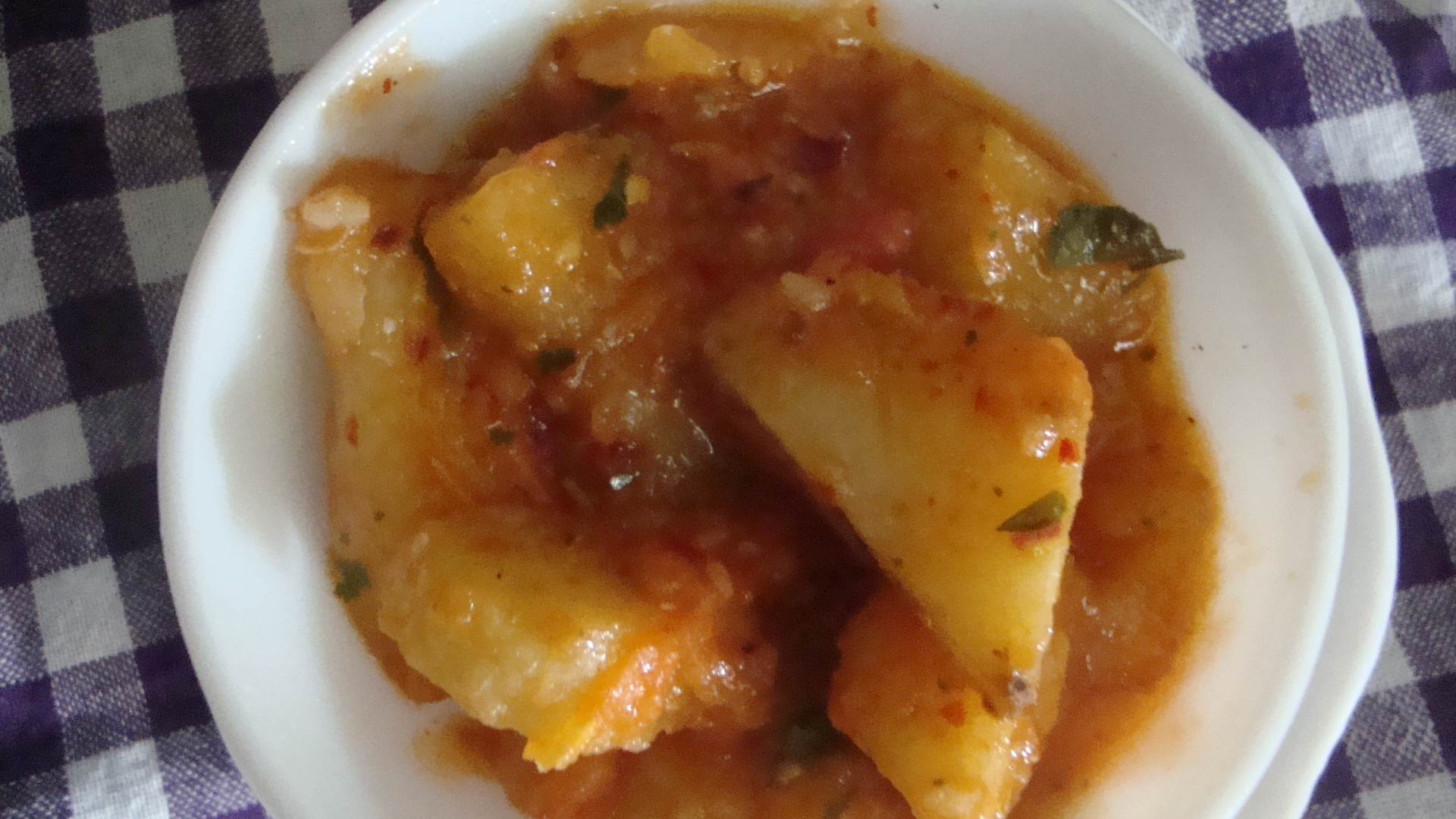
Today’s recipe is a lovely tomato and potato curry, which my mother calls her tomatish potato dish. It is a simple and easy to prepare dish that you will certainly like.

Tomato and Potato Curry

Time taken: 30 mins

Serves 2

Tomatish potatoIngredients:

  • Potato – 1
  • Tomato – 1
  • Onion – ½
  • Green chilli – 1
  • Crushed red chillies – 1 tsp
  • Ginger – ½ tsp, crushed
  • Garlic – ½ tsp, crushed
  • Salt, to taste
  • Low fat oil, for frying

Method:

  1. Boil the potato and then, peel and chop it into smaller pieces.
  2. Lightly fry the potato pieces and keep aside.
  3. Heat a little oil in a pan and lightly fry the chopped green chilli, ginger and garlic. Add the chopped tomato pieces and crushed red chillies to the pan and continue frying for a few minutes.
  4. Remove the pan from the stove and transfer its contents to a blender to grind it to a paste.
  5. Transfer the tomato paste back to the pan and heat it over a low heat.
  6. Add the fried potato pieces to the pan and salt, to taste. Stir well.
  7. Serve the tomato and potato curry with rice or pittu.

Recipe source: Raji Thillainathan.

Murukku

Today’s guest blogger is Krishanthy Kamalraj. An agriculture graduate and a former staff member of UNDP Sri Lanka’s Transition Recovery Programme, Krishanthy sent me a couple of recipes this week. As one of the recipes is for Pongal, I am happy to share her murukku recipe today. 

Kadalaima Murukku- Channa Dhal flour murukku

This snack has a prominent place in all Tamil celebrations. There are several types of murukku available and they differ based on ingredients. Today I have chosen Channa Dhal flour and Atta flour murukku.

Time taken: 1 hour

Serves 10 to 15 persons

Ingredients:

  • 1 cup roasted channa dhal flour
  • ½ cup steamed wheat flour
  • 1 teaspoon of cumin
  • 2-4 dried red chili
  • 1 teaspoon of Omam (Carom seeds/ Ajwain) powder
  • 2 teaspoon margarine or olive oil
  • ½ cup water
  • Salt as needed
  • Oil to fry
  • Murukku ural/ mould

Method:

  1. Soak the Omam powder in 1/8 cup of water for 30 minutes.
  2. In a mixing bowl, take 1 cup of roasted Channa Dhal flour and ½ of steamed Atta flour and add together.
  3. Take cumin and dry chili and grind it well until it becomes a fine powder. Add this to the flour mixture in the bowl and mix well.
  4. Filter the Omam water and gradually add to flour mixture.
  5. Then add salt and margarine to the flour mixture.
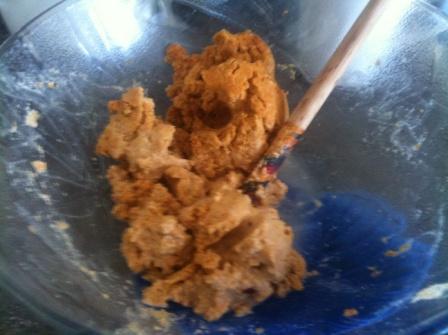
  6. Gradually add water to the mixture and make very soft, non sticky dough (same as the consistency level for string hopper dough)

murukku dough2

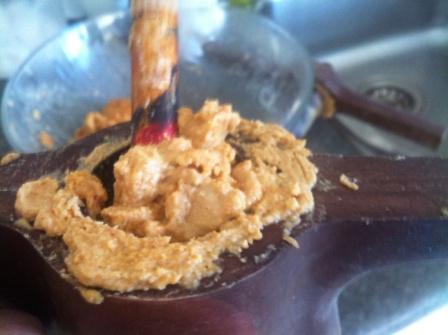
murukku in the mould

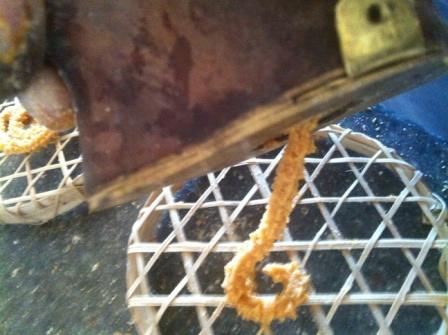
7. Insert clove shape disc into bottom of murukku ural and add small portion of dough into the murukku ural and press softly to make coil shaped murukku. Note: If the dough is not soft enough (due to not enough water), it will feel hard to press the ural. Add little bit of water and make the dough soft. This will result in very soft murukku.

squeezing the murukku

murukku dough

8. In a pan take required amount of oil and heat it over medium heat.
9. Once the oil is hot enough, transfer the pressed murukku into the oil.

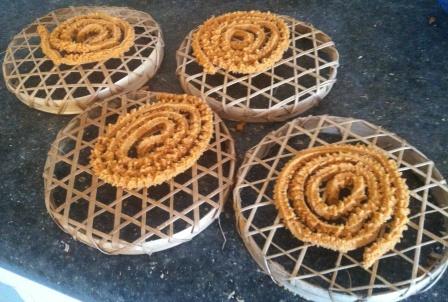
frying murukku10. Once the murukku is cooked well on both side and has turned light golden brown in colour, take it out from the pan and drain the grease using paper towel.

Murukku

11. Keep them in an air tight container and serve whenever you feel like eating crispy, spicy snack.

Recipe source: Krishanthy Kamalraj.

Pongal

Happy Thai Pongal! இனிய தைப்பொங்கல் நல்வாழ்த்துகள்!

Tomorrow is Pongal for Tamils around the world. Pongal is a celebration that occurs annually on the first day of the month of ‘Thai’ (Tamil month equivalent to January) and is a harvest festival, traditionally meant to honour the sun. It is also the name of the key rice dish that is made to celebrate most Tamil festivals, but particularly its namesake festival.

I shared a simple recipe of the home-cooking version of Pongal in this post last August. Today, I also wanted to share some of the photos from one of our Pongal celebrations with the families in our apartment building a couple of years back as it is more of a community festival where people get together in the temple or courtyard, or as in this case – the car parking area. I was going to post this tomorrow on the festival day but as one of my friends has sent me a recipe of one of the snacks she makes for Pongal, I decided to post her recipe tomorrow. So, here’s the photo-story of Pongal making.
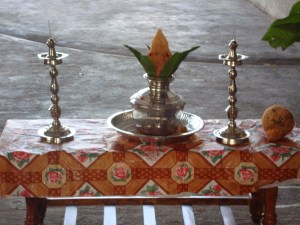
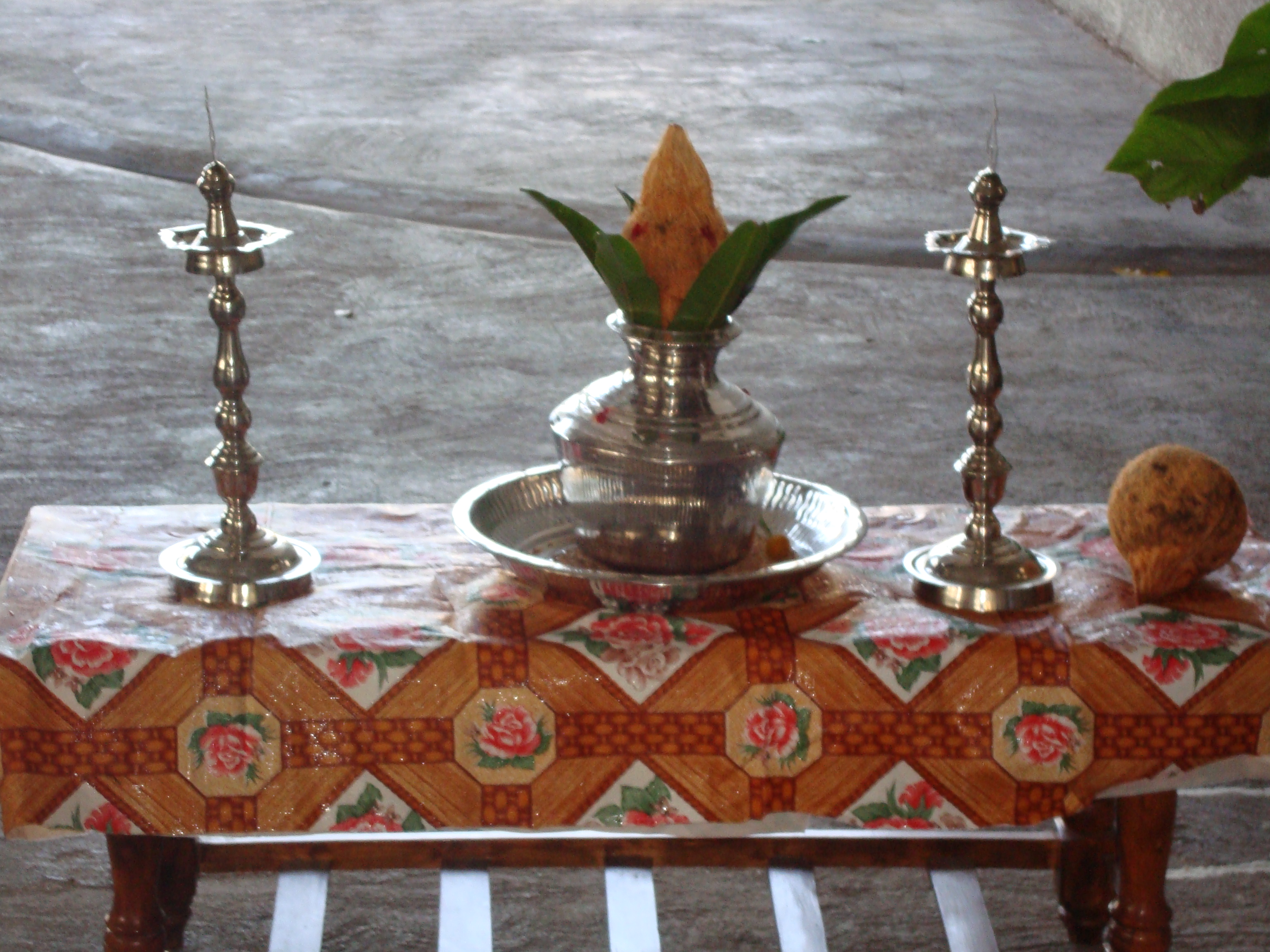
The kolam (designs made of rice flour paste) is first drawn. Within its boundaries, the traditional Tamil welcome is set up facing north, with the kuthuvillaku/lamps and the coconut with mango leaves placed in the kudam/pot
The kolam (designs made of rice flour paste) is first drawn. Within its boundaries, the traditional Tamil welcome is set up facing north, with the kuthuvillaku/lamps and the coconut with mango leaves placed in the kudam/pot

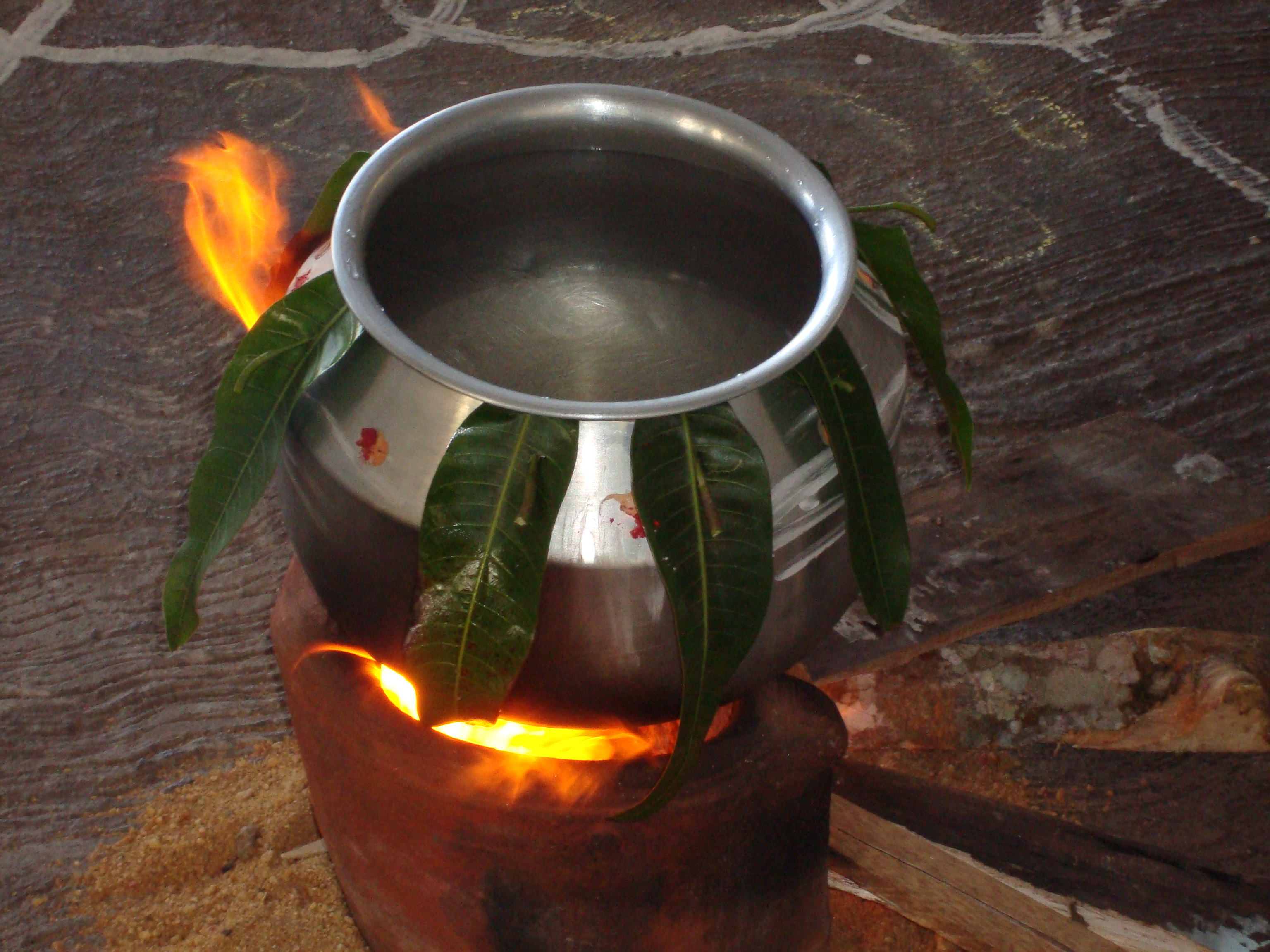
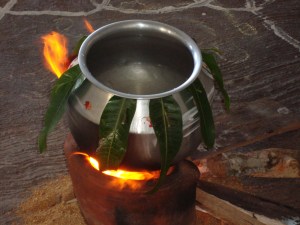
Water for Pongal

Setting up the Pongal pot facing the rising sun in the east
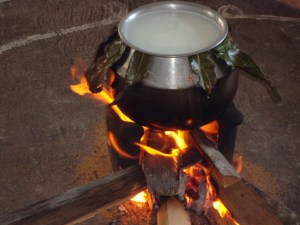
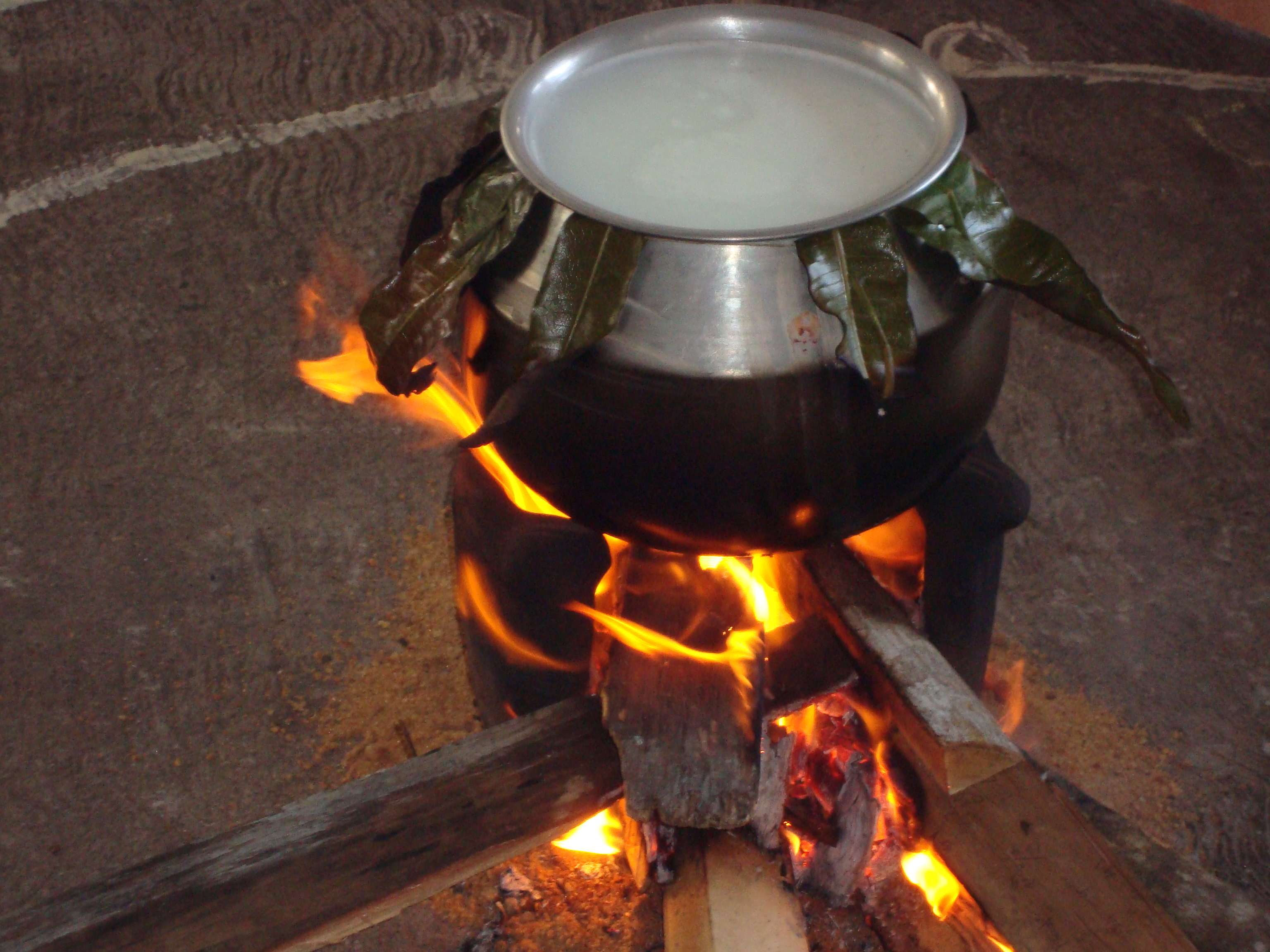
Milk boiling for pongal

Milk (usually dairy milk but at home, my mother uses coconut milk) is added to the water in the pot
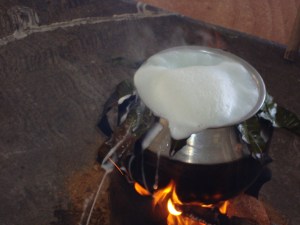
DSC02067

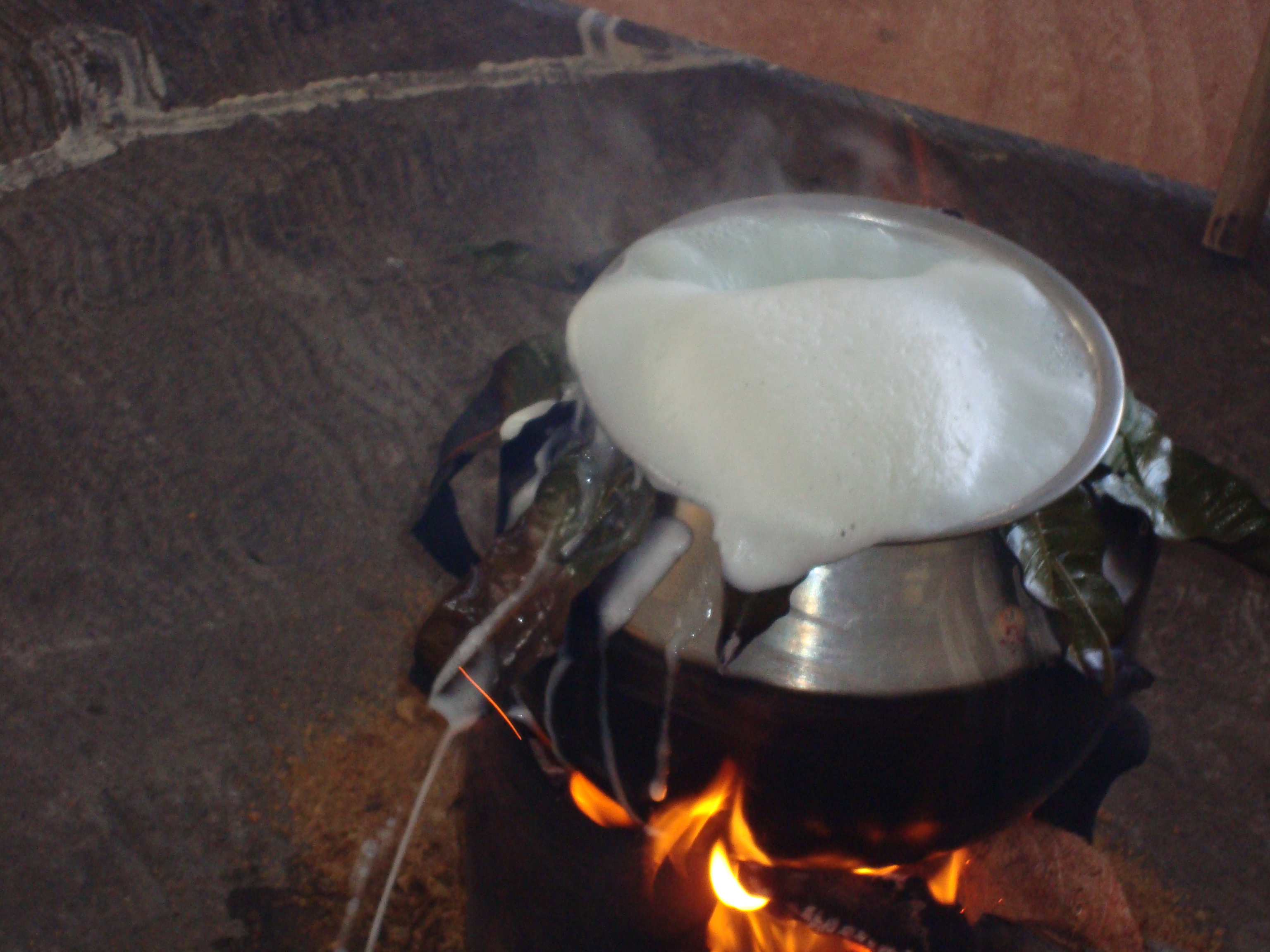
Everyone waits for the milk to boil over – this symbolically means prosperity for all for the coming year (‘Ponguthal’ means boiling over and is the word that festival name and dish derived its name from)
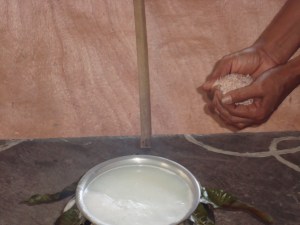
Adding rice to the pot

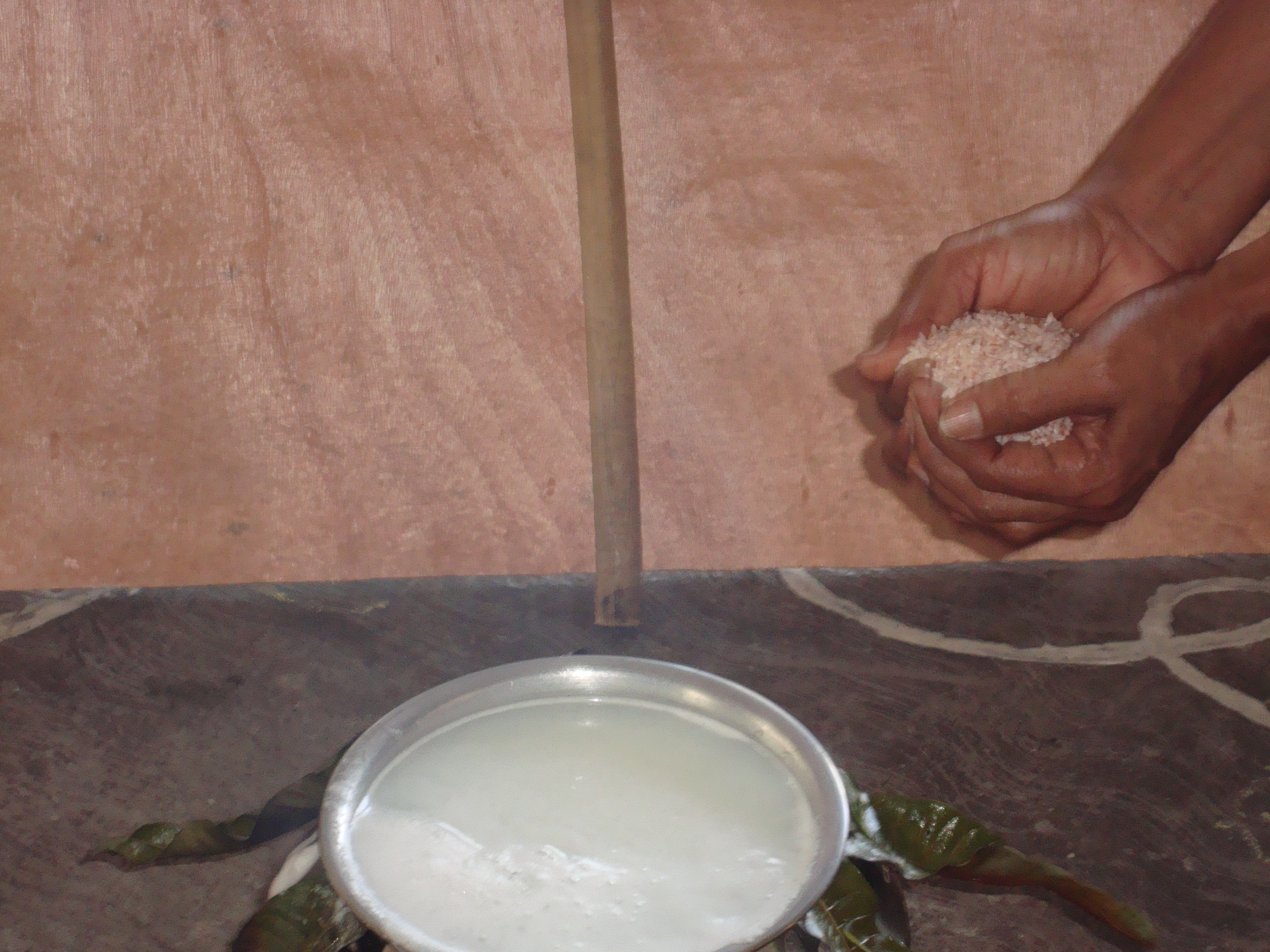
The rice is then added to the pot – a handful at a time by some of the elders, women and men, present.
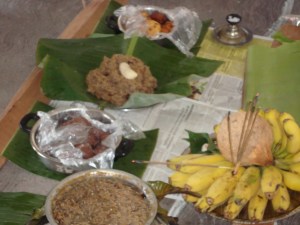
Pongal

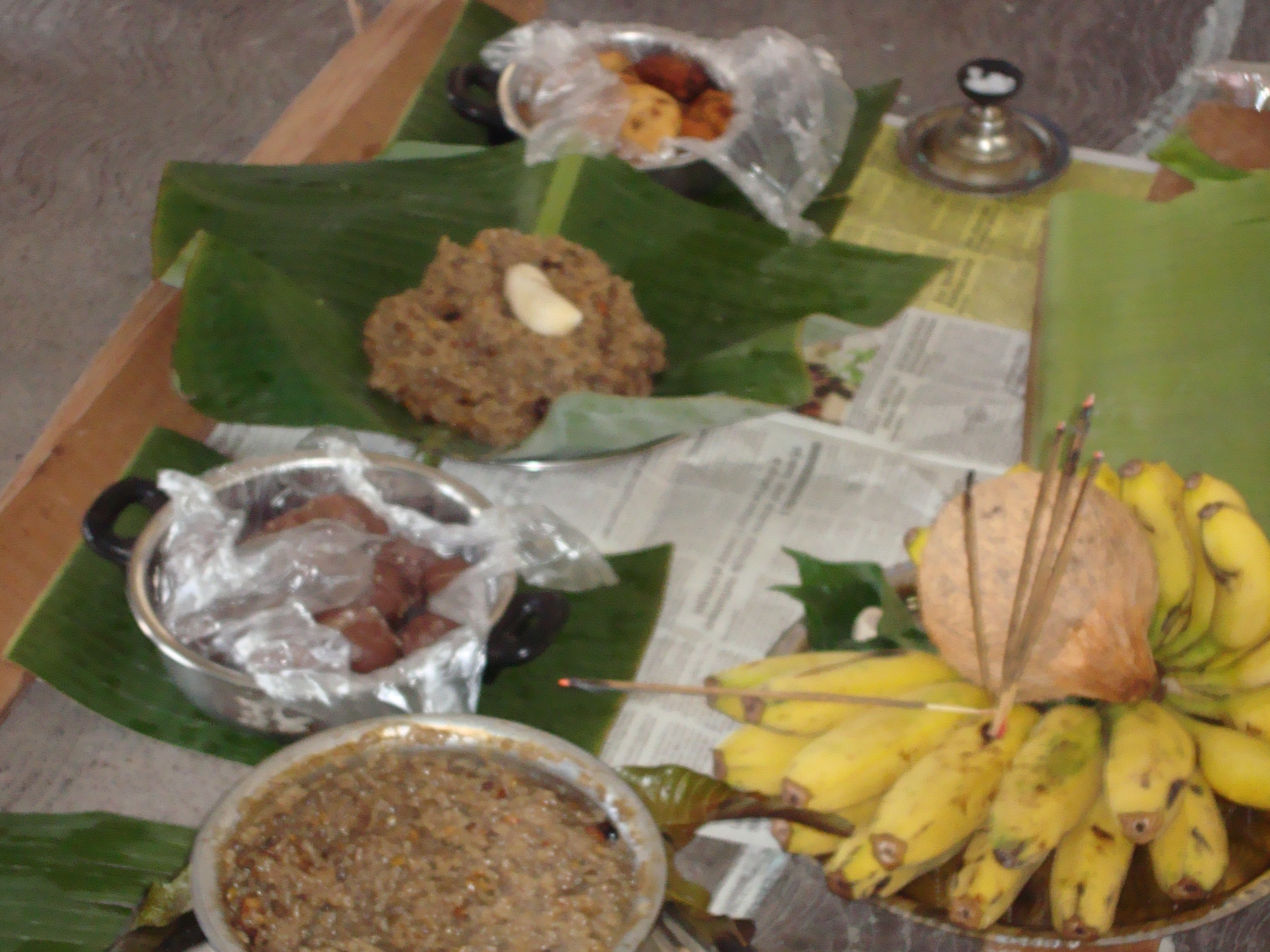
After the rice is cooked, jaggery, nuts, raisins are added to the pot and stirred well. Finally, the pongal is ready to be blessed and served.

While Thai Pongal is an important Tamil festival for Tamils living around the world, it is celebrated differently in different countries. In Sri Lanka, Pongal is mostly celebrated as described above whereas in India, it is a three-day festival with a day dedicated for cows. A harvest day festival around this day is also celebrated across India and Nepal but called different names (Makara Sankranti, Lohri, Uttarayana, Magh Bihu etc.) in different regions and has different rituals.

Wish you a Happy Pongal!

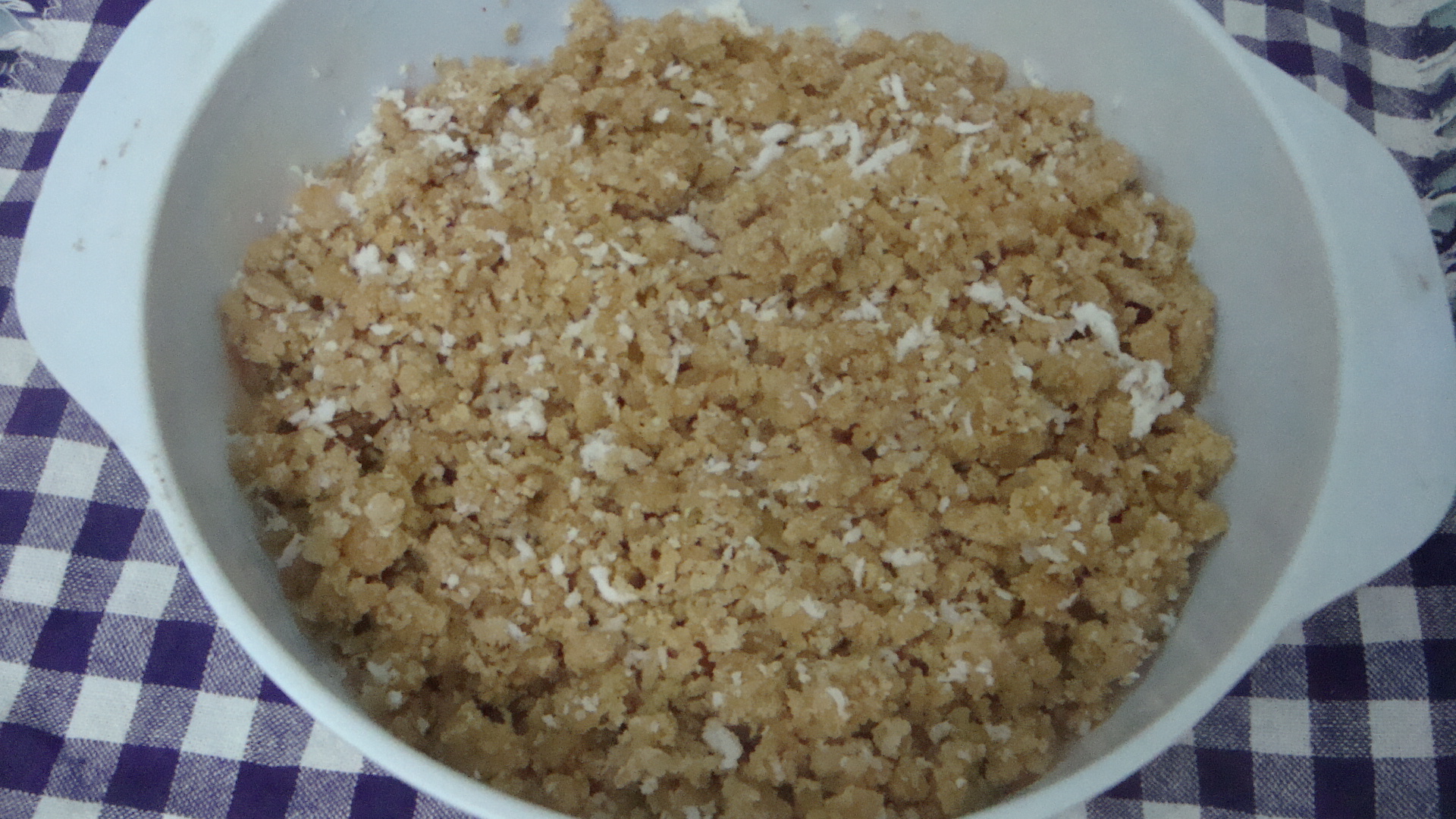
Kurakkan Pittu

Kurakkan, also known as ragi, is a type of millet that is gluten-free and diabetic friendly. At home, the most common and popular form of pittu is the rice flour pittu. Occasionally, my mother makes the atta flour pittu or the kurakkan flour pittu.

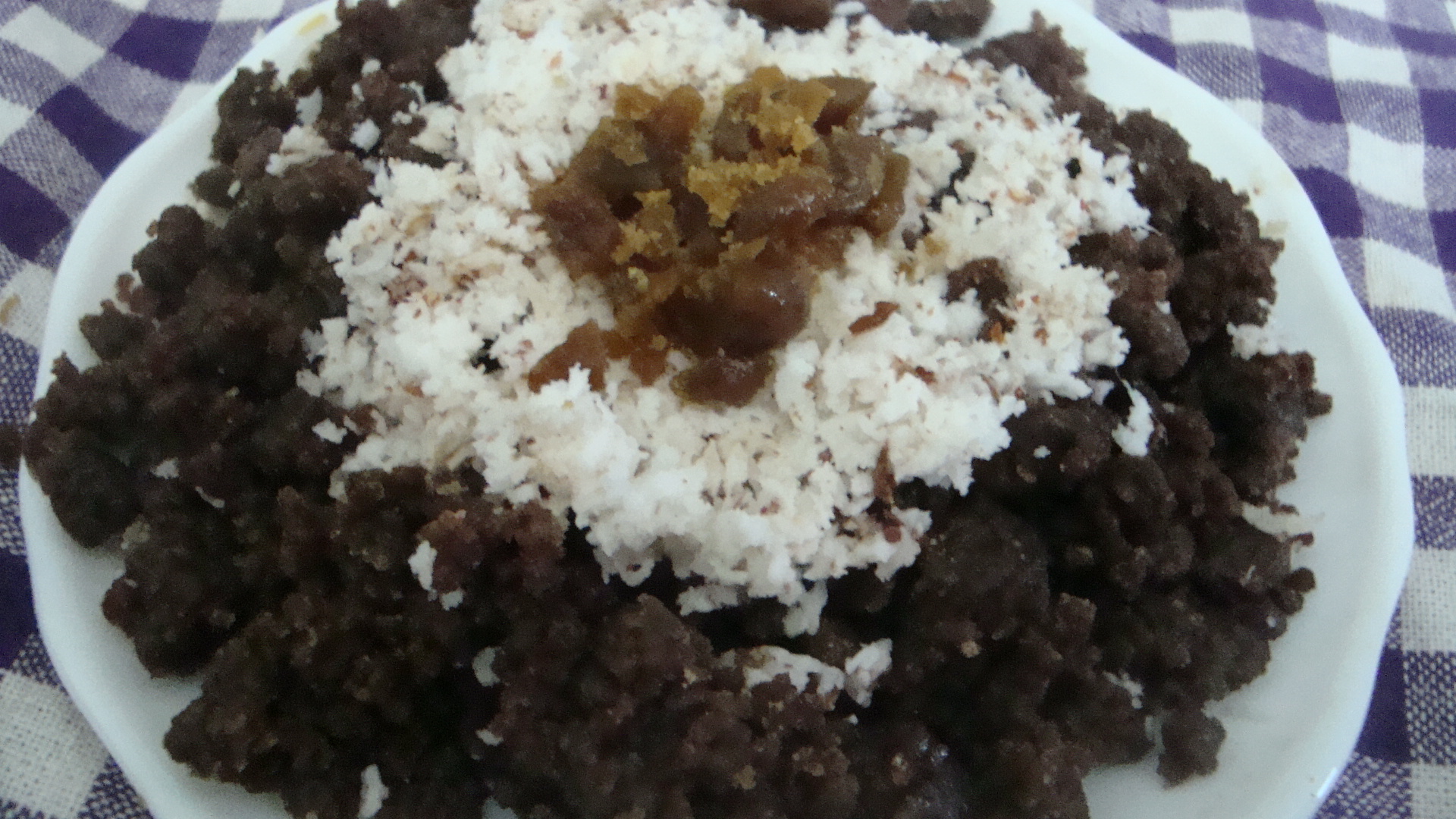
Below is the simple recipe for making kurakkan flour pittu. The rice flour pittu and atta flour pittu easily blend with any curries and is a convenient meal to prepare. Kurakkan, however, has a distinctive taste that I find does not easily merge with just any curry. As such, I prefer to eat kurakkan pittu simply sprinkled with coconut and jaggery.

Kurakkan Pittu

Time taken: 25 mins

Serves 2

Kurakkan pittuIngredients:

  • Kurakkan flour/ ragi – 1 cup
  • Coconut – ¼ cup, freshly scraped
  • Jaggery – 2 or 3 tbsp, finely chopped
  • Salt – pinch

Method:

  1. Add a pinch or two of salt to the kurakkan flour.
  2. Stir in boiled and slightly cooled water until the flour mixtures becomes coarse and grainy.
  3. Steam the kurakkan pittu for 10 mins.
  4. Mix the freshly scraped coconut and chopped jaggery into the steamed pittu and serve hot.

Recipe source: Raji Thillainathan.

Atta Flour Pittu

Pittu is a dish that my mother often makes for dinner. She generally makes rice flour pittu. One of the varieties that she occasionally makes is the atta flour pittu, the recipe of which is given below.

Atta flour pittu

Time taken: 25 mins

Serves 2

Atta flour pittuIngredients:

  • Atta flour – 1 ½ cups
  • Coconut – 3 tbsp, freshly scraped
  • Salt – pinch

Method:

  1. Roast the atta flour over low heat for 5 mins.
  2. Remove from stove and add the salt.
  3. While still hot, stir in water at room temperature until the mixture becomes coarse, small particles.
  4. Add the freshly scraped coconut and mix well.
  5. Steam the pittu for 10 mins.
  6. Serve warm with any curry.

Recipe source: Raji Thillainathan.

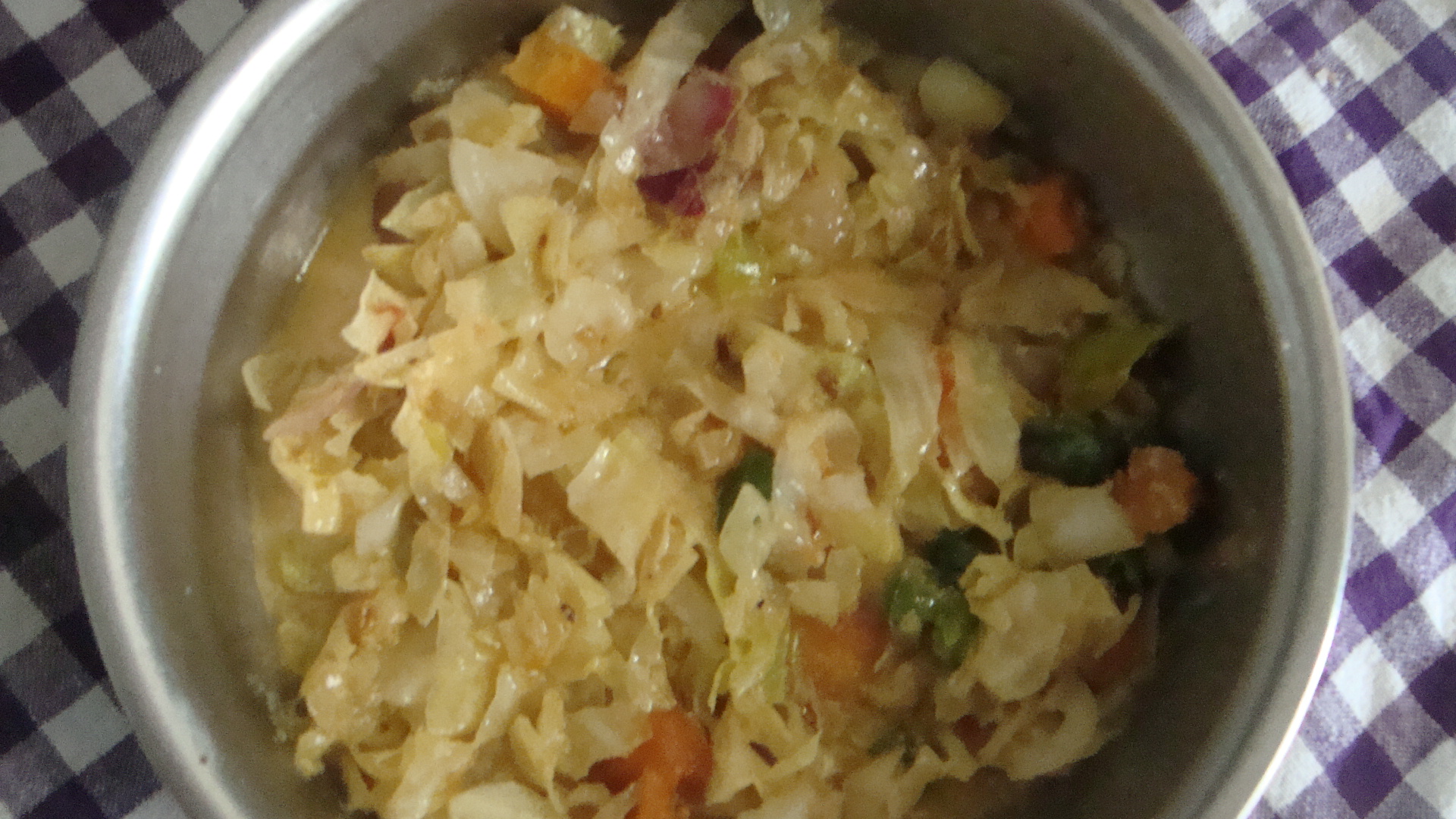
Spicy Cabbage Curry

As this blog does require recipes that I record of my mother’s cooking or sent in by others and I also wish to be a bit more active on my other blogs, I will be making weekly or bi-weekly posts rather than daily posts as I did in the first few months of this blog.

This weekend’s recipe is that of my mother’s spicy cabbage curry. If you prefer fried cabbage, try out the delicious cabbage fry or the cabbage and carrot fry recipes posted earlier on this blog.

Spicy Cabbage Curry

Time taken: 25 mins

Serves 3

Spicy Cabbage CurryIngredients:

  • Cabbage – 1 ½ cup, shredded
  • Carrot – 1 tbsp, finely chopped (optional)
  • Capsicum/ Malu miris – 1 tbsp, chopped
  • Green chilli – 1, chopped
  • Onion – 2 tbsp, chopped
  • Fenugreek – 1 tsp
  • Curry leaves – 1 sprig
  • Garlic – 1 or 2, finely chopped
  • Coconut milk – ½ cup
  • Curry powder – 1 tsp
  • Salt, to taste
  • Lime juice – 1 tsp
  • Oil – 1 tbsp

Method:

  1. Heat a tbsp oil in a pan and fry the chopped onion, garlic, capsicum, chilli, curry leaves and fenugreek seeds for a couple of mins.
  2. Then, add the shredded cabbage and optional carrot to the pan and continue stir-frying for around 5 mins.
  3. Add the coconut milk, curry powder and salt, to taste and let the curry cook for around 10 mins.
  4. Remove the pan from the stove and mix 1 tsp lime juice into the pan.
  5. Serve warm with rice.

Recipe source: Raji Thillainathan.

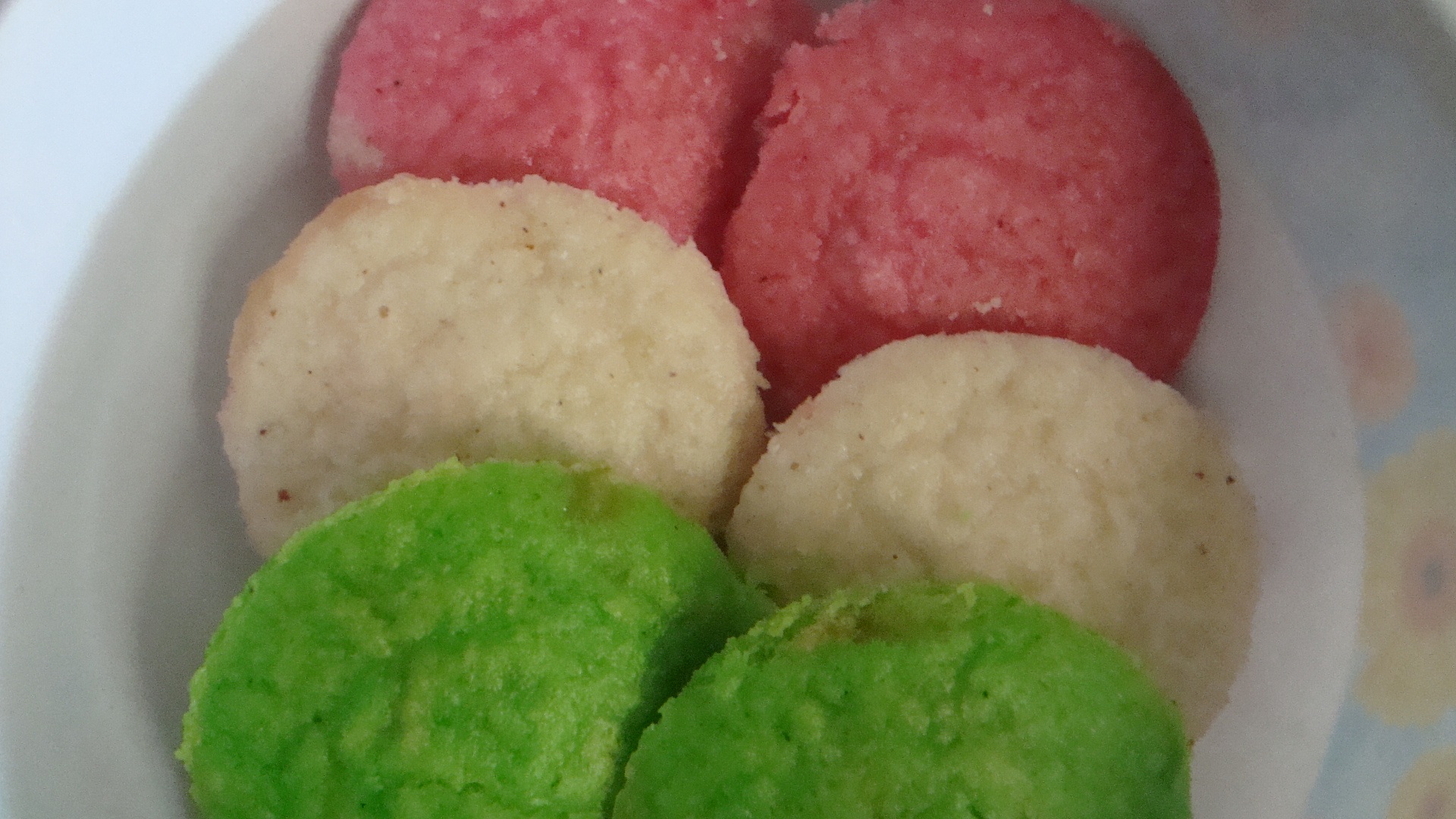
Steamed rice cakes

Wishing everyone a happy New Year! To start the Year on a sweet note, today’s recipe is that of steamed rice cakes.

Steamed rice cake

Time taken: 30 mins + 2 hours (for soaking)

Makes 6 cakes

Steamed rice cakeIngredients:

  • Rice – ½ cup
  • Urad dhal/ black gram flour – 2 tbsp, roasted
  • Coconut – 2 tbsp, freshly scraped
  • Sugar – 1 ½ tbsp
  • Baking powder – 1 tsp
  • Salt – pinch
  • Food colouring/ essence – optional

Method:

  1. Soak the rice in water for about 2 hours and then grind it to make a batter.
  2. Add the roasted urad dhal flour, scraped coconut, sugar, baking powder and salt to the batter. Mix well.
  3. If you would like your steamed cakes in different colours, divide the batter into separate bowls. Add the different food colours to each of the bowl. Here, my mother used green and red.
  4. Steam the batter for about 10 – 15 mins.
  5. Serve warm with tea. You could serve some honey or jam on the side, should you like it more sweeter.

Recipe source: Raji Thillainathan.

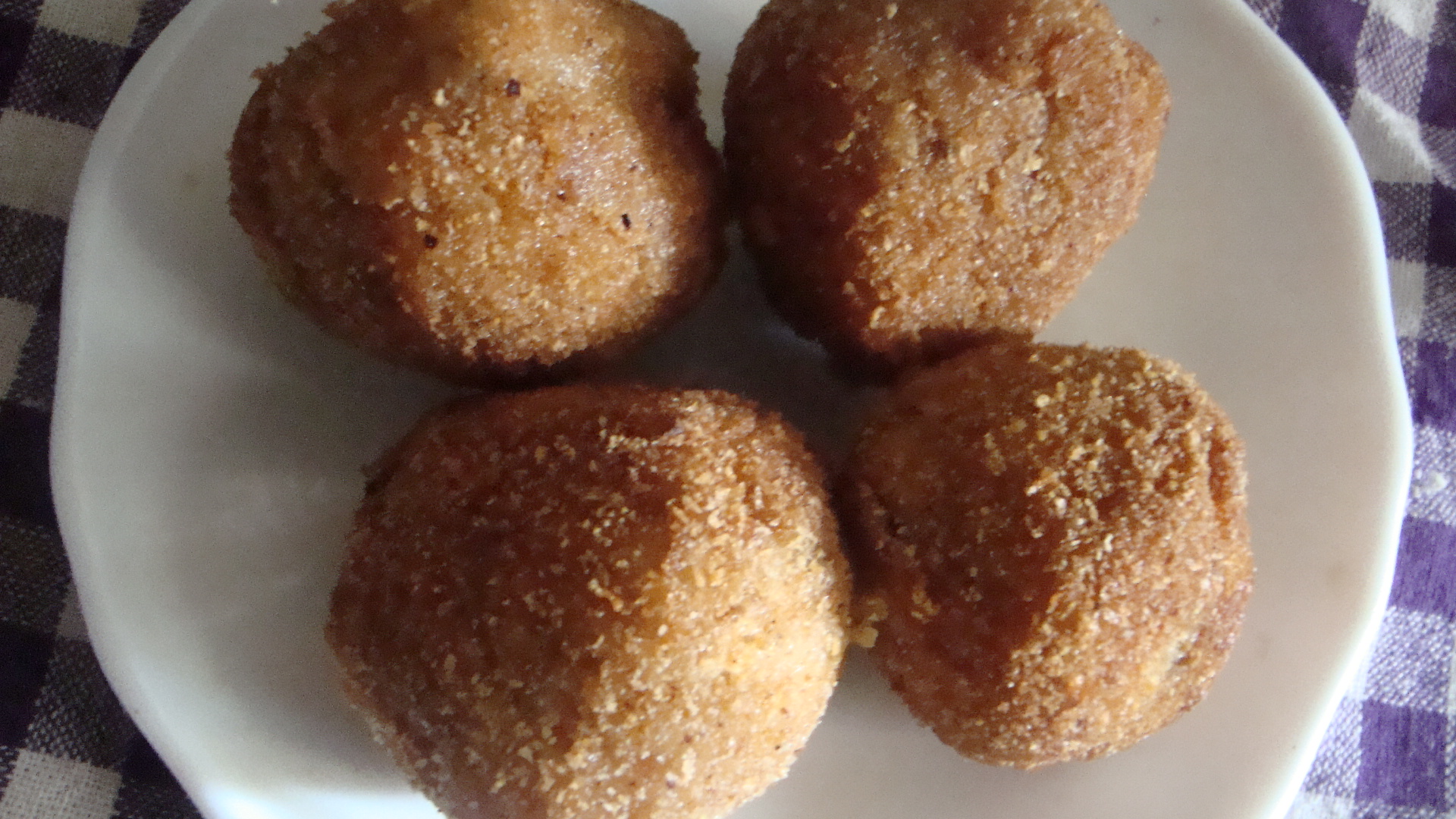
Jackfruit Cutlets

Today’s recipe is that of a cutlet my mother made recently. She likes experimenting with her cutlet mixtures and this time, she tried jackfruit and the result was delicious.

Jackfruit Cutlets

Time taken: 40 mins

Makes 4

Jackfruit Cutlets

Ingredients:

  • Raw, unripe jackfruit – 4 or 5 pieces
  • Onion – 1 tbsp, finely chopped
  • Chillies – ½ tsp, finely chopped
  • Pepper – 1 tsp
  • Fennel seeds – ½ tsp
  • Ginger – ½ “, finely chopped
  • Garlic – 2 cloves, finely chopped
  • Multi-purpose flour, for light batter
  • Bread crumbs, for rolling the cutlets
  • Low fat oil, for deep-frying

Method:

  1. Boil the jackfruit with salt for about 15 to 20 mins.
  2. Chop it and then coarsely grind it to get about ½ cup of the ground, cooked jackfruit. Transfer to a mixing bowl.
  3. Add the finely chopped onion, garlic, ginger, chillies as well as the pepper and fennel seeds to the mixing bowl. Mix well. Divide the seasoned jackfruit mixture into four balls.
  4. Make a light batter by mixing ½ cup of water with some multi-purpose flour.
  5. Dip the cutlet balls in the batter and then roll in the breadcrumbs, before deep-frying till the cutlets are golden brown.
  6. Serve hot with rice.

Recipe source: Raji Thillainathan.

Potato curry – the drier version

Today’s recipe is that of a simple potato curry that is easy and quick to prepare when you are not in the mood for preparing something elaborate. What’s more, you are sure to like the results. For those who do not like their curries dry, check out the other potato curry recipe.

Potato curry – the drier version.

Time taken: 30 mins

Serves 4

potato curry - drier versionIngredients:

  • Potatoes – 2, large
  • Onions – 2, large
  • Curry powder – 1 or 2 tsp
  • Salt, as required
  • Low fat oil – 3 tbsp

Method:

  1. Boil the potatoes. After the potatoes are boiled, peel and chop them into smaller pieces. Mix in the curry powder and some salt and keep aside.
  2. Clean and chop the onions. Sprinkle with salt.
  3. Heat 3 tbsp oil in a pan and fry the chopped onion for about 5 to 10 mins.
  4. Once the onions starts changing colour and the aroma wafts about, add the seasoned, boiled potatoes to the pan and mix well. Cook for another 5 mins.
  5. Serve warm with roti or pittu.

Recipe source: Raji Thillainathan.

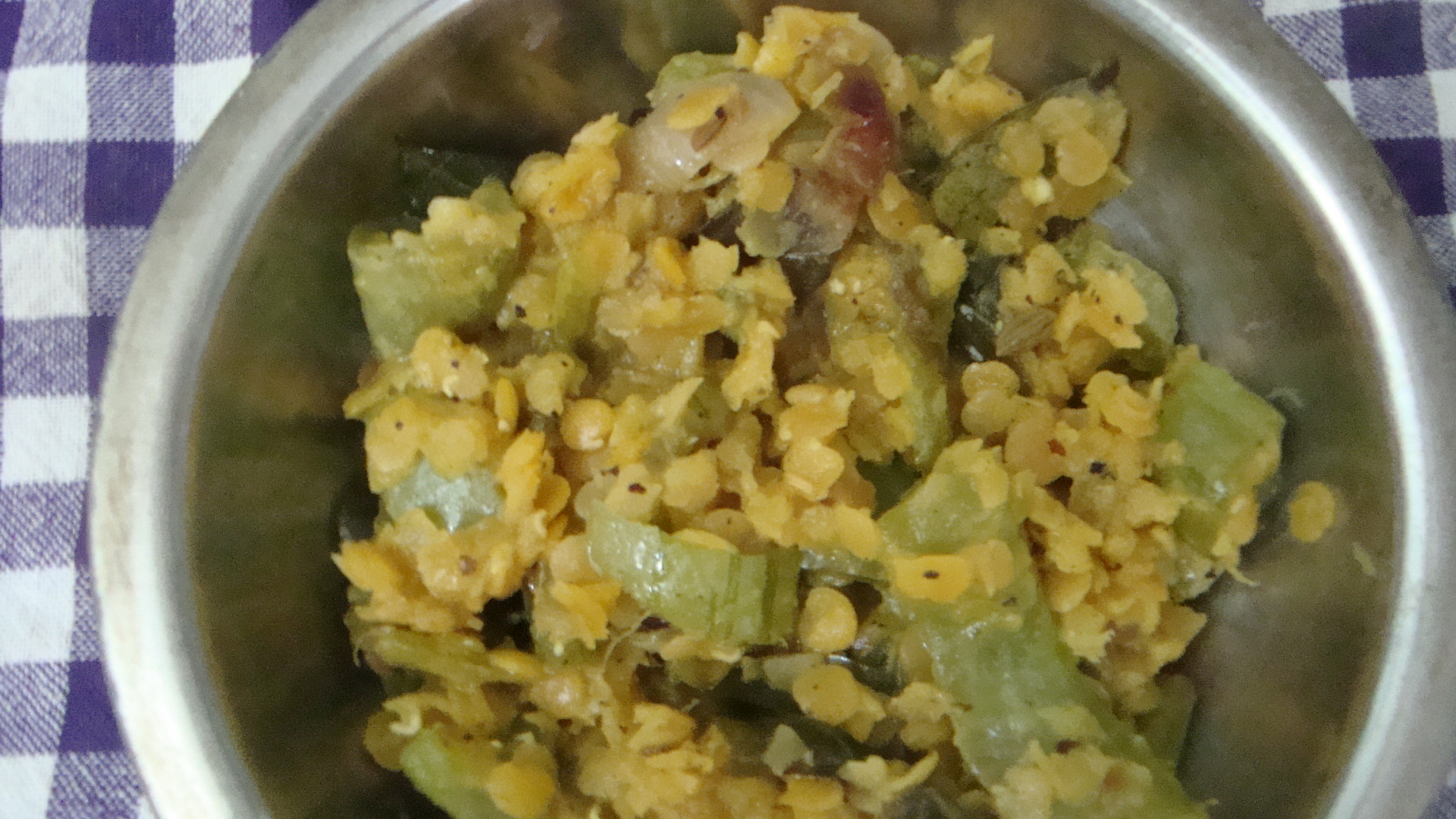
Dhal with Snake gourd

Today’s recipe is another snake gourd curry that my mother occasionally makes.

Dhal with Snake gourd

Time taken: 30 mins

Serves 4

Dhal with Snake gourdIngredients:

  • Mysore dhal – ½ cup
  • Pudalangai/ Snake gourd – ½ cup, chopped
  • Green chillies – 2
  • Onion – ½
  • Fennel seeds – 1 tsp
  • Curry leaves – 1 sprig
  • Rampe leaf/ pandan – 1 or 2 inch
  • Coconut milk – ¼ cup (optional)
  • Turmeric powder – ½ tsp
  • Crushed chillies – 1 tsp
  • Pepper – ½ tsp
  • Salt, to taste
  • Low fat oil – 2 tbsp

Method:

  1. Clean the snake gourd and finely chop it.
  2. Heat the oil in a pan and fry the chopped onion, green chillies, fennel seeds for a minute before adding the finely chopped snake gourd, curry leaves and rampe leaf. Cook for about 5 mins over low heat.
  3. Rinse the dhal and add the dhal to the pan. Stir and add a cup of water and let the dhal and snake gourd cook.
  4. Once the water has almost dried up and the vegetables have been cooked, add coconut milk. If you do not wish to use coconut milk due to cholesterol issues, simply add a ¼ cup of water or any alternative non-dairy milk of preference instead.
  5. Add the turmeric powder, crushed chillies, pepper and salt to taste to the pan. Mix well and cook for about 5 mins.
  6. Serve warm with rice.

Recipe source: Raji Thillainathan.