Banana bun

This is a recipe of my mother. I remember the first time my mother ventured into using bananas in her baking. It was in mid 80s Jakarta, where every embassy had been invited to put up a stall, at a banana food festival and all food had to be made of banana. Besides organizing the Sri Lankan stall, my mother experimented and baked her first banana cake then. Ever since, she has tried using banana in different baked products.

This banana bun is great as both a tea-time snack and as breakfast food.

Banana bun

Time taken: 2 hours

Makes 9 buns

Banana bunIngredients:

  • Multi-purpose flour – 1 ½ cups
  • Yeast – 1 tbsp
  • Salt – 1 tbsp
  • Vegetable margarine – ¼ cup
  • Banana – ½ cup, mashed
  • Raisins – 1 tbsp
  • Cinnamon – ½ tsp, crushed
  • Vanilla essence – ½ tsp

Method:

  1. In a mixing bowl, add a pinch of salt to the flour.
  2. Prepare a yeast solution by adding ¼ cup of lukewarm water to a tbsp yeast and a tbsp salt. Let the solution rest for 2 – 3 mins before adding to the flour in the mixing bowl.
  3. Add the vegetable margarine and mashed banana to the mixing bowl as well and make the dough for the bun.
  4. Sprinkle the raisins, crushed cinnamon and vanilla essence and knead the dough. Divide the dough into 9 balls and let the dough rest for around 30 – 40 mins.
  5. Transfer to baking tray and bake at 170⁰C/338⁰F for 25 mins first on the lower shelf and for another 15 mins on the top shelf so that it is sufficiently browned.
  6. Serve warm, either plain or with a dab of margarine or sprinkled with sugar.

Recipe source: Raji Thillainathan.
Apple cake

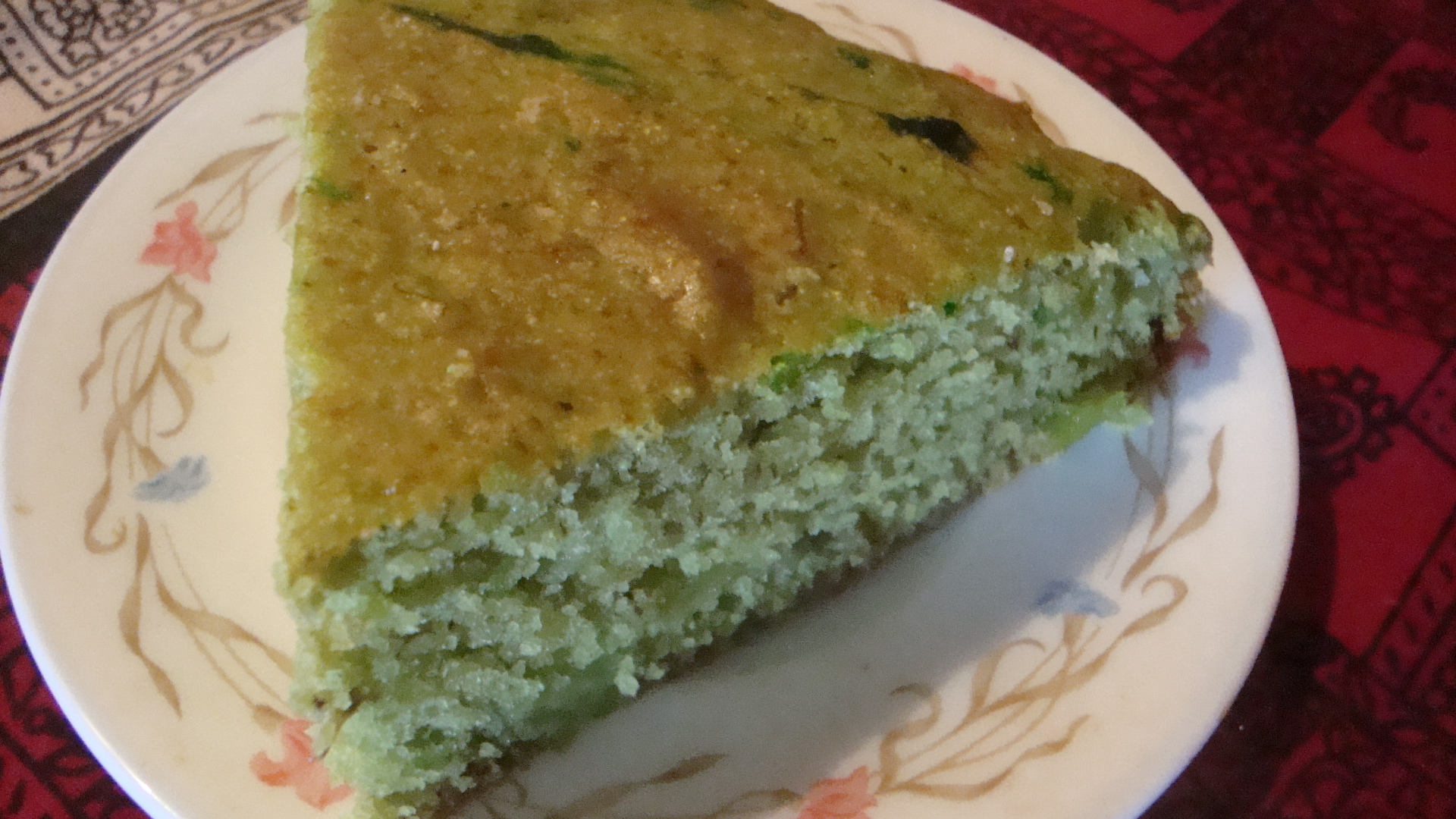
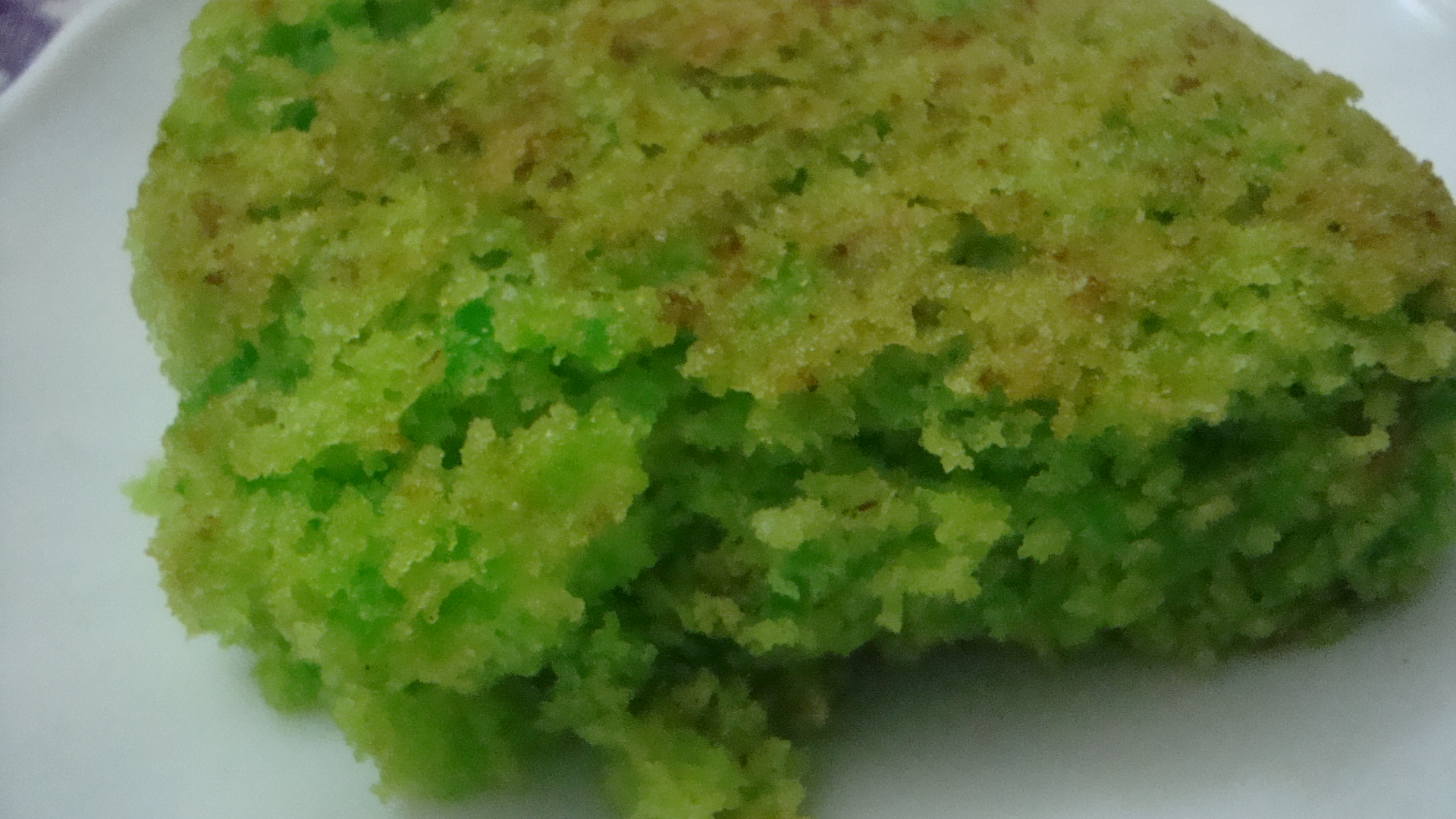
Today’s recipe is my mother’s apple cake recipe.

apple cakeApple cake

Time taken: 1 hour

Serves: 8

Apple cake sliceIngredients:

  • Apple – 1 ½ , large
  • Cinnamon – 2 large sticks
  • Green food colouring – ½ tsp
  • Lime – 1
  • Vegetable margarine – ¼ cup
  • Sugar – ¼ cup
  • All-purpose flour – 1 cup
  • Baking powder – 1 tsp
  • Baking soda – ¼ tsp
  • Rose essence or Apple essence – few drops

Method:

  1. Peel the apples and chop them up. Place them in a sauce pan and add water so as to just cover the apple chunks.
  2. Add some green food colouring and 2 large cinnamon sticks to the pan. Cook the apples over low heat until the water dries up.
  3. After the apples have cooled sufficiently, remove the cinnamon sticks and transfer the cooked apples to a blender.
  4. Grind the cooked apples to a puree. Add the juice of 1 lime to the apple puree and mix.
  5. Whisk together the vegetable margarine and sugar. Add the blended apple and lime juice mix.
  6. Sift together the flour, baking powder and baking soda.
  7. Gradually add the flour mix to the apple and margarine mix to make a smooth cake batter. Add a few drops of rose essence.
  8. Transfer to a baking tray and bake the apple cake at 170⁰C/338⁰F for 30 mins.

Recipe source: Raji Thillainathan.

Ellu Pa

Today’s recipe is a traditional sweet from Jaffna called the “Ellu Pa.” This is a spiced sweet made of sesame seeds and it is one of my mother’s favourite.

The recipe I am sharing today is that of my great-grandmother, as remembered and occasionally made by my mother.

Ellu Pa

Time taken: 15 mins

Makes 4

Ellu PaIngredients:

  • Sesame seeds/ Ellu – ½ cup
  • Urad dhal/ black gram flour – ¼ cup, roasted
  • Sugar – ¼ cup
  • Pepper powder – ½ tsp
  • Cumin powder – ½ tsp

Method:

  1. First, grind the sugar and sesame seeds together in a blender.
  2. Then, add the urad dhal flour and continue grinding the mixture.
  3. Transfer the blended flour mix to a mixing bowl.
  4. Add the pepper and cumin powder to the bowl. Mix well.
  5. Add a little hot water and make the ‘ellu pa’ dough. Divide the dough into 4 balls.
  6. Serve with tea.

Recipe source: Raji Thillainathan.

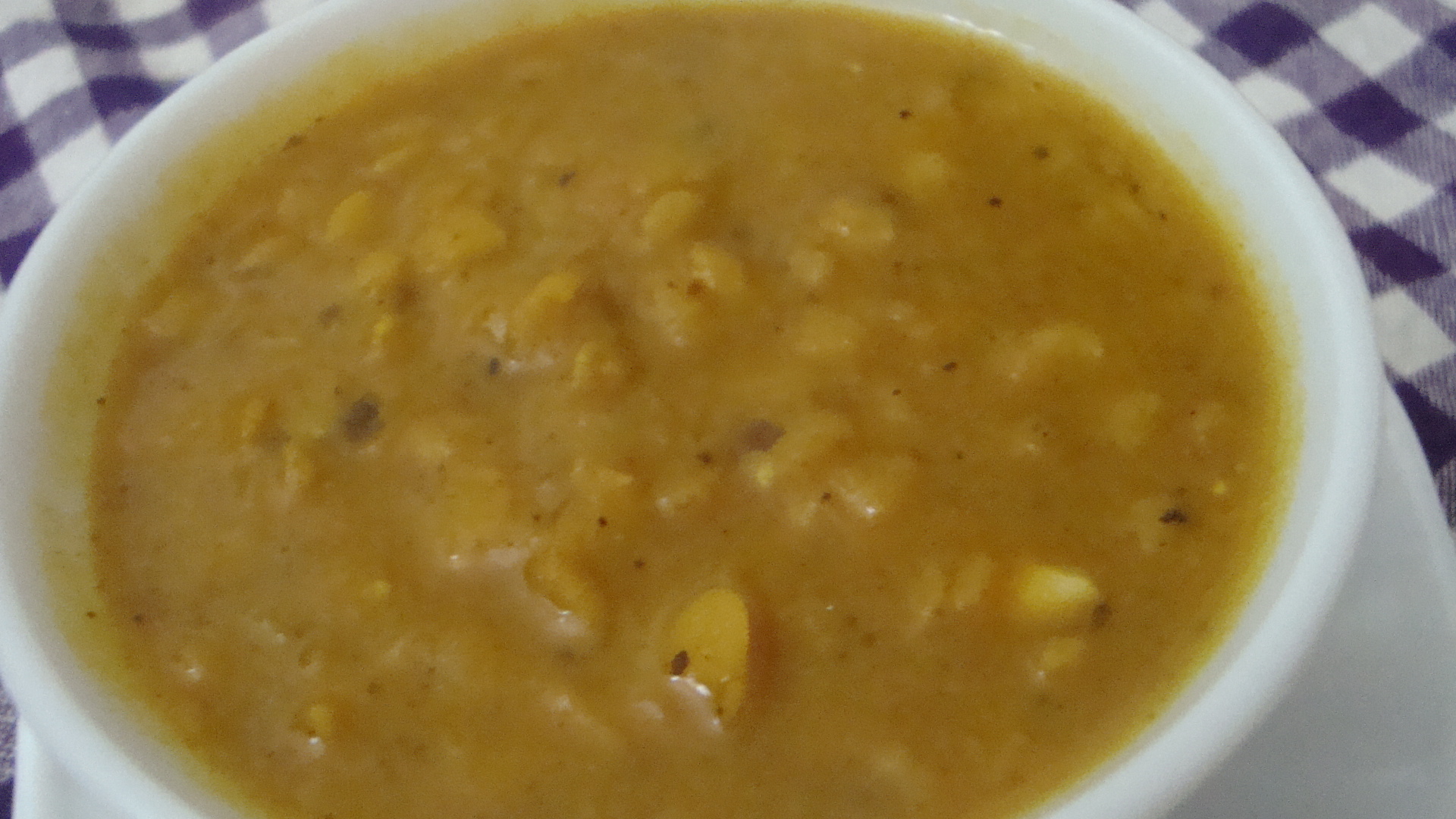
Spicy Toor Dhal Gravy

Spicy Toor Dhal Gravy

Time taken: 35 mins

Serves 4 or 5

Toor Dhal GravyIngredients:

  • Toor Dhal/ Thuvaram Paruppu – ½ cup
  • Chilli powder – ½ tsp
  • Cumin powder – ½ tsp
  • Coriander powder – ½ tsp
  • Pepper powder – ¼ tsp
  • Turmeric powder – ¼ tsp
  • Tamarind juice – ½ cup to 1 cup, as required
  • Salt, to taste
  • Garlic – 3 cloves, crushed

Method:

  1. Soak the dhal for about 10 mins. Rinse and drain the dhal and transfer to a saucepan.
  2. Add 1 ½ cups of water to the dhal and cook for about 10 to 15 mins, over medium heat.
  3. Reduce to low heat and add the five spice powders (chilli, cumin, coriander, pepper, turmeric).
  4. If the water has dried up, add 1 cup of tamarind extract. If there is some water still in the pan, reduce the amount of tamarind extract added accordingly.
  5. Add salt, to taste and mix well.
  6. Cook for another 10 mins. Adjust gravy consistency by adding more tamarind extract, if required.
  7. Add crushed garlic just before removing from stove. Mix well.
  8. Serve with rice or chappathi.

Recipe source: Raji Thillainathan.

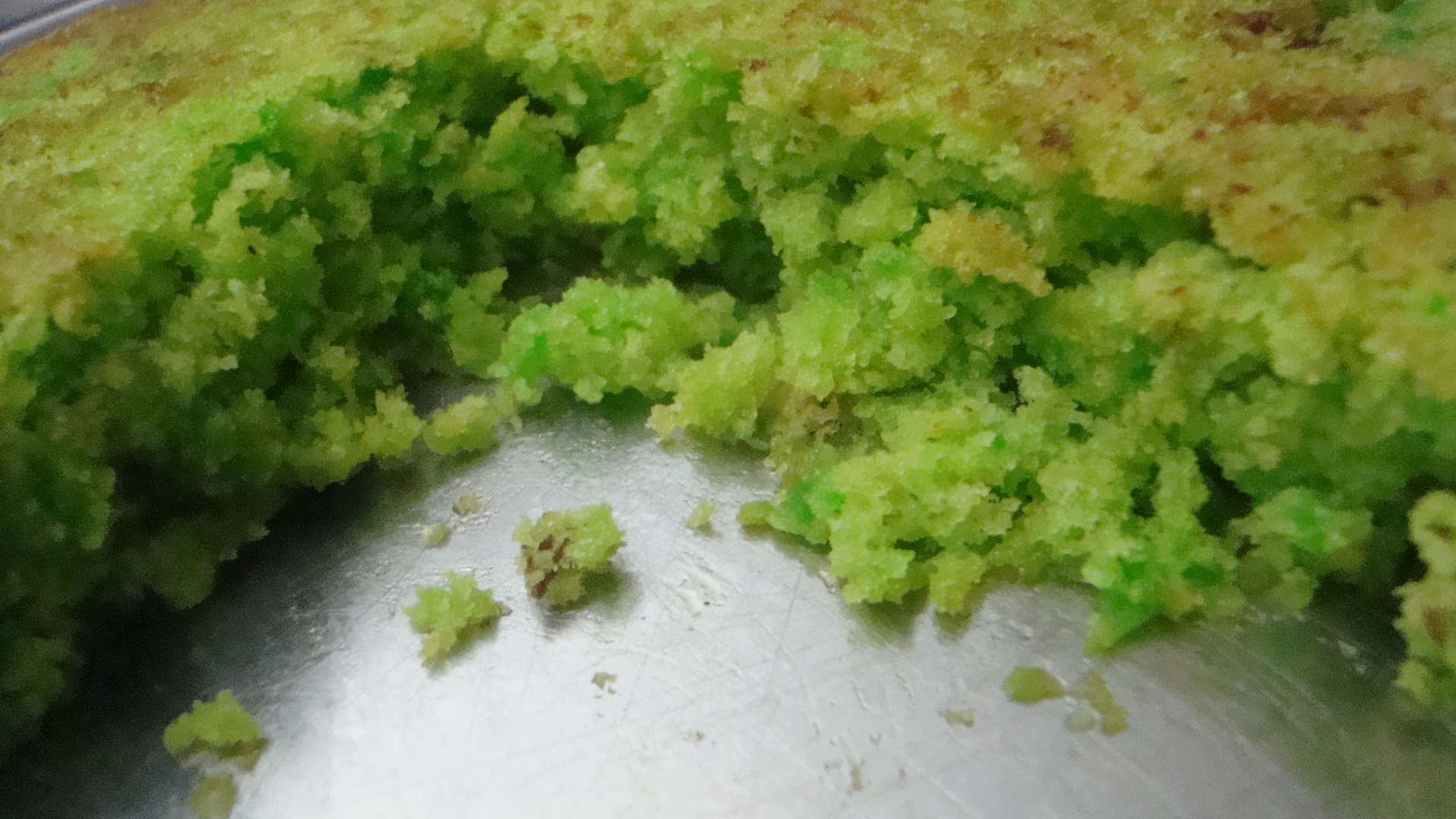
Banana and Apple Cake

Today’s recipe is that of another from my mother’s fruit cake series – banana and apple cake.

DSC00728Banana and Apple cake

Time taken: 1 hour

Serves 6 to 8

Banana and Apple cakeIngredients:

  • Apple – 1
  • Banana – 1
  • Vegetable margarine – ¾ cup + 1 or 2 tbsp (for icing, optional)
  • Sugar – ½ cup
  • Cinnamon powder – 1 tsp
  • Semolina – ½ cup
  • All-purpose flour – 1 cup
  • Baking powder – 1 tsp
  • Baking soda – ¾ tsp
  • Green food colouring – few drops
  • Vanilla essence – ½ tsp
  • Icing sugar – 4 or 5 tbsp, optional
  • Lime juice – 1 or 2 tsp, optional

Method:

  1. Chop up the apple. Cook the chopped apple for about 10 mins, in a saucepan over low heat, adding some cinnamon powder. Stir regularly.
  2. Transfer the cooked apple pieces from the saucepan to a blender. Add the chopped banana. Coarsely blend. Keep aside.
  3. Add the margarine and sugar to the saucepan containing some of the apple sauce after the apple pieces had been transferred to the blender. Add up to ½ cup of water. Heat the contents for a few mins.
  4. After cooling, transfer the melted margarine and sugar to a mixing bowl. Stir in the blended fruits. Add the green food colouring and vanilla essence.
  5. Sift the flour, semolina, baking powder and baking soda together. Gradually add in the flour mix to the mixing bowl until a smooth cake batter is obtained.
  6. Transfer to baking tray and bake for 30 mins at 170⁰C/338⁰F.
  7. If you would like icing on the cake, prepare the icing by mixing the icing sugar with a tbsp of margarine, lime juice and a few drops of green food colouring.
  8. Spread the icing evenly over the cake before slicing and serving.

Recipe source: Raji Thillainathan.

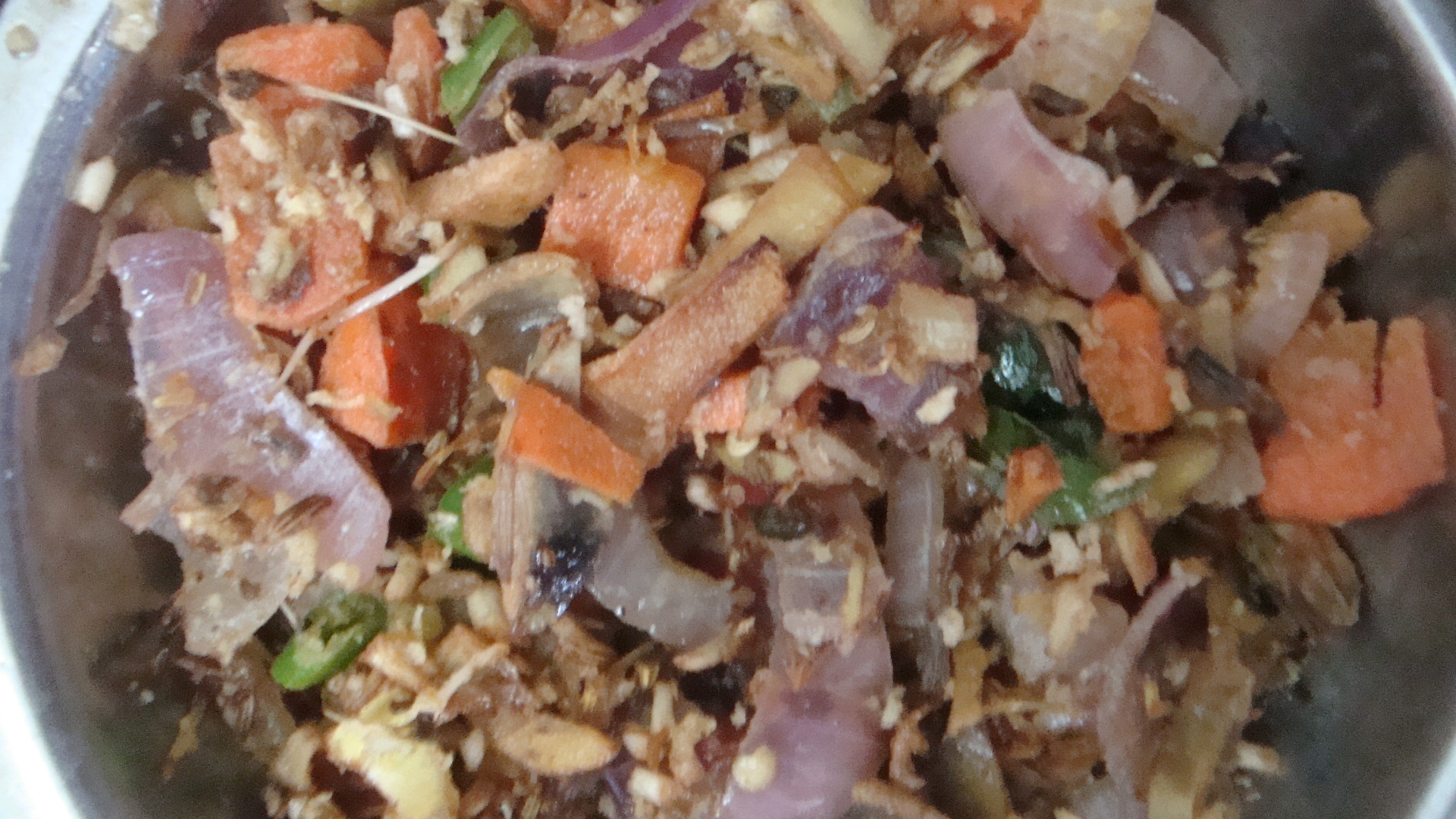
Vaalai Poo Curry

Today’s recipe is the banana flower curry/ vaalai poo curry.

Vaalai Poo Curry/ Banana Flower Curry

Time taken: 30 mins

Serves 4

Vaalai Poo CurryIngredients:

  • Vaalai poo/ banana flower – 1 cup, chopped
  • Tomato – 1 large, chopped
  • Capsicum – 1, chopped
  • Onion – ½ cup, chopped
  • Fenugreek seeds – 1 tsp
  • Fennel seeds – 1 tsp
  • Oil – 1 tbsp
  • Coconut milk or non-fat milk – ½ cup
  • Curry powder – 1 tsp
  • Salt, to taste

Method:

  1. Clean and chop up the banana flower and add a little salt to it. Keep aside.
  2. Heat 1 tbsp oil in a pan and fry the fenugreek seeds, fennel seeds and chopped onion for a couple of mins.
  3. Add the chopped vaalai poo and chopped capsisum. Cover and fry for about 10 mins on low heat.
  4. Uncover the pan and add the chopped tomato, coconut milk and curry powder. Add some salt, to taste.
  5. Cook for about 5 mins until the curry has a nice gravy, before removing pan from stove.
  6. Serve with rice.

Recipe source: Raji Thillainathan.

Vaalai Poo Varai

Today’s and tomorrow’s recipes are focused on the flower of the banana tree. In Tamil, the banana flower is called “vaalai poo.” The banana flower is considered to have medicinal value, particularly as it reduces sugar levels and possesses antioxidant properties. Given that the fruit and the tree plays an important role in Tamil cuisine and culture, the flower is also considered a special dish when cooked.

Vaalai Poo Varai/ Banana flower fry

Time taken: 30 mins

Serves 5

Vaalai Poo VaraiIngredients:

  • Vaalai Poo/ Banana flower – 1 cup, chopped
  • Carrot – ½ , chopped
  • Green capsicum or malu miris – 1 or green chillies – 2, chopped
  • Red chilli – 1, chopped
  • Onion – ¼ cup, chopped
  • Curry leaves – 1 sprig
  • Fennel seeds – 1 tsp
  • Low fat oil – 1 tbsp
  • Scraped coconut – 2 tbsp
  • Curry powder – 1 tsp
  • Salt, to taste

Method:

  1. Chop up the vaalai poo. Add some salt and keep aside.
  2. Chop up the carrot, green capsicum, red chilli and onion.
  3. Heat 1 tbsp oil in a pan and fry the fennel seeds and onion for a minute.
  4. Add the rest of the chopped ingredients and the curry leaves. Cover the pan and cook, for around 10 mins, on low heat.
  5. Stir in the freshly scraped coconut and curry powder and cook for another 2 mins, mixing the ingredients well, before removing pan from stove.
  6. Serve with rice.

Recipe source: Raji Thillainathan.

Sippi Sohi

Today’s Jaffna specialty snack recipe is that of “sippi sohi” (sea-shells). The snack actually resembles sea-shells if made in the traditional way. However, my mother generally makes her own colourful version of the sweet.

DSC00761Sippi Sohi

Time taken: 45 mins

Serves 6 – 8 persons

Sippi SoyiIngredients:

  • Rice flour – 1 cup, roasted
  • Urad dhal/ black gram flour – ¼ cup, roasted
  • Coconut milk – 1 cup
  • Sugar – ¼ cup
  • Water – 4 tbsp
  • Food colouring – optional
  • Oil, for deep-frying

Method:

  1. Combine the roasted rice flour and the roasted urad dhal flour and keep aside.
  2. Heat 1 cup of coconut milk, with a little salt, over medium heat. Once cooked, remove from stove and cool.
  3. When the milk has cooled slightly but is still warm, stir in the rice flour to make the dough.
  4. Roll out the dough and cut into little pieces. Alternatively, the traditional way of squeezing the dough through the mold can be used.
  5. Heat the oil and deep-fry the little pieces “sippi sohi” and transfer the fried pieces to a tray lined with grease absorbing paper.
  6. Prepare the sugar syrup by heating the sugar with water in a saucepan over medium heat.
  7. Food colouring can be added to the syrup, while heating in the saucepan. My mother used red food colouring here to have a colourful twist on the traditional plain syrup.
  8. Soak the fried “sippi sohi” into the sugar syrup till they are well coated and dry up.

Recipe source: Raji Thillainathan.

Paruthithurai Vadai

Theepawali Nalvaalthukkal! (Theepawali greetings)

For today’s specialty food, I would like to share a delicacy from my birthplace – the “Paruthithurai Vadai”. This vadai is generally prepared in Jaffna during festival seasons. While I have had the privilege of trying out this vadai in different places across Jaffna as well as at the homes of friends and relatives, the best, crunchiest “Paruthithurai/Thattai Vadai” that I have eaten to date has been that made by my mother. So, here’s the recipe for it.

Paruthithurai/ Thattai Vadai

Time taken: 1 ½ hours + 6 hours (soaking time)

Makes 50 – 60

DSC00782Ingredients:

  • Split urad dhal – 1 cup
  • Wheat flour – 1 cup, steamed
  • Wheat flour – 1 cup, regular not steamed
  • Crushed chillies – 1 or 2 tbsp
  • Onion – 1, ground
  • Curry leaves – chopped
  • Fennel seeds – 1 tbsp
  • Salt, to taste
  • Water, as required
  • Oil, for deep-frying

Method:

  1. Soak the split urad dhal for around 6 hours. Drain and peel the skin.
  2. In a mixing bowl, add the drained and peeled split urad dhal, wheat flour both steamed and regular, crushed chillies, ground onion, chopped curry leaves, fennel seeds, salt, bringing them together using a little water to make the ‘vadai’ dough.
  3. Divide the dough into 50 – 60 balls. Flatten each ball on a flat surface that will not stick. Alternatively, the dough can be rolled out and cut into thin circles using a cutter;
  4. Heat the oil for deep-frying. Do not let the ‘vadai’ dough sit out too long and transfer to the frying pan as soon as the dough has been made and the balls have been flattened into the thin ‘vadai’ shape.
  5. Deep-fry the vadai in batches until they are golden brown.
  6. Transfer the vadai to a tray lined with grease absorbing paper. The vadai can be stored, for many days, in an air-tight jar.

Recipe source: Raji Thillainathan.
Payatham Paniyaram

With Theepawali coming up this weekend, it’s time for some traditional snacks at home. My mother made a few quintessential Jaffna festival snacks so I will be sharing their recipes here.

Today’s recipe is my great grandmother’s recipe for ‘payatham paniyaram’ (a spiced green gram snack) which is a traditional Jaffna specialty made at all the festivals and celebrations in the peninsula. Plus, people tend to make this and send out to relatives in other cities or abroad as it keeps for a relatively long time.

Payatham Paniyaram

Time taken: 35 mins

Makes 20

Payatham paniyaaramIngredients:

  • Green gram – 1 cup, roasted flour
  • Red rice flour – 2 tbsp, roasted
  • Sugar – ½ cup
  • Cardamom – 6, crushed
  • White raw rice flour or wheat flour – ½ cup
  • Salt, to taste
  • Cumin powder, pepper powder, toasted coconut flakes – optional

Method:

  1. Combine the roasted green gram flour and the roasted red rice flour and keep aside.
  2. Melt ½ cup sugar in ¼ cup of water in a saucepan over low heat.
  3. When the syrup starts bubbling in a couple of mins, add the crushed cardamoms.  The optional cumin, pepper and toasted coconut flakes can be added now, if required. I prefer not to have the cumin or pepper added.
  4. Quickly add in the roasted green gram and red rice flour mix into the sauce pan, continuously stirring for a few mins, until the mixture is well-combined and easy to form into balls.
  5. Remove from stove and make about 20 balls of the spiced mixture.
  6. Make the dipping batter by combining the white raw rice flour (the preferred flour) or wheat flour with a little salt and water. Coat the balls in the batter.
  7. Heat the oil for deep-frying. Fry the balls until golden-brown on all sides. Transfer the ‘payitram paniyaram’ to a tray lined with grease absorbing paper.
  8. Serve when cooled. If coconut flakes are not added, the ‘paniyaram’ can be stored for many days.

Recipe source: Raji Thillainathan.