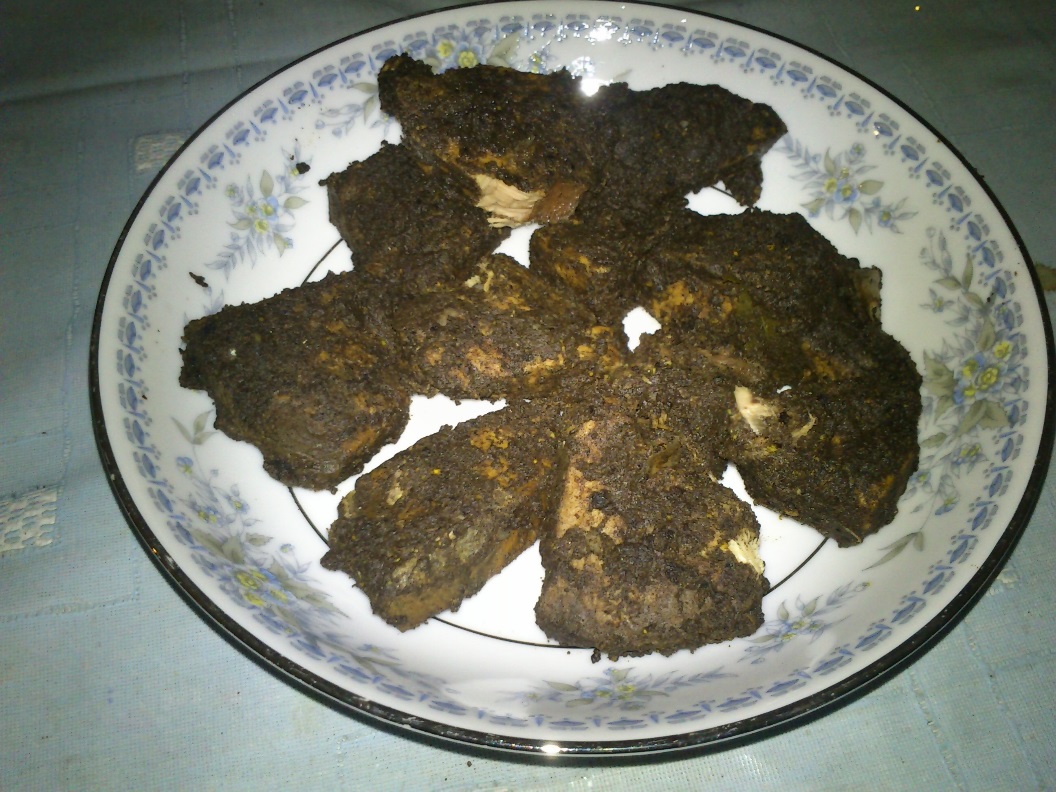
Polos Embulla and Kos Melluma

Today’s guest blogger is Maheesa Dayananda, UNDP project staff from Polonnaruwa district. He will be sharing his mother’s recipes for a couple of his favourite dishes.

These are two of my favorite curries and around once in two weeks we cook one of these at home. These two curries should be served with rice and are very popular (especially Polos Embulla) among Sinhalese not only in Polonnaruwa but also in other areas too. Also, these curries come from few generations back. I can remember my grand mother also cooked these curries.

Polos embulla 2(a) Polos Embulla

Time taken    – 75 minutes

Serves             – 05

Polos Embulla

INGREDIENTS

  • Baby jack                         15 pieces (250 gm)
  • Goraka/Garcinia Cambogia 04 pieces
  • Garlic                                 04 cloves
  • Pepper                              01 teaspoon
  • Cardamom/ enasal        ½ teaspoon
  • Curry Powder                  02 teaspoon, roasted
  • Chilli Powder                   02 teaspoon
  • Turmeric Powder           ½ teaspoon
  • Coconut                           01 nut
  • Curry leaves/ Rampe      as per required
  • Salt                                     to taste
  • Cinnamon                         a bit
  • Water                                 as per required

METHOD

  1. Removing the outer peel of the baby jack, cut it into fairly big pieces, wash well and put them in an earthen vessel.
  2. Mix the pieces of baby jack with chilli powder, curry powder, turmeric powder and salt.
  3. Add some goraka.
  4. Mix crushed pepper, cinnamon and cardamom with the pieces of baby jack.
  5. Pour coconut milk in to the earthen vessel until the baby jack pieces are just covered and cook them till most of the liquid dries up. As the curry should have a little gravy, remove from heat before the gravy completely dries up.
  6. Note: Avoid dipping spoons which have been used for other curries, in polos embulla curry, to keep the stuff fresh for many days.

(b) Kos Melluma

Time taken    45 minutes

Serves             05
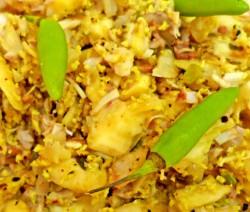
Kos INGREDIENTS

  • Pieces of jack                        250 gm
  • Coriander                              02 teaspoon
  • Cumin Seeds                        01 teaspoon
  • Sweet Cumin/ star anise  01 teaspoon
  • Green chillies                        03 – 04
  • Coconut                                ½ nut, scraped
  • Coconut oil                          04 teaspoon
  • Mustard                               01 teaspoon
  • Turmeric powder              as per required
  • Curry leaves                        as per required

METHOD

  1. Remove the core/ seeds from the jack-fruit pieces nut and cut them in to small pieces.
  2. Crush about 10 seeds and remove the peel covering the seed.
  3. Place the chopped jack-fruit and crushed seeds in a pan and add turmeric & water as required.
  4. Cover the pan and cook the jack-fruit.
  5. After the jack-fruit is cooked, add curry powder, curry leaves, scraped coconut and kochchi or green chilies and let it simmer together.
  6. Heat some coconut oil in another pan and fry some mustard seeds.
  7. Transfer the cooked jack-fruit with all its seasonings to the pan with the mustard seeds and temper it for a few minutes.
  8. Serve hot with rice.

Recipe source: Maheesa Dayananda.
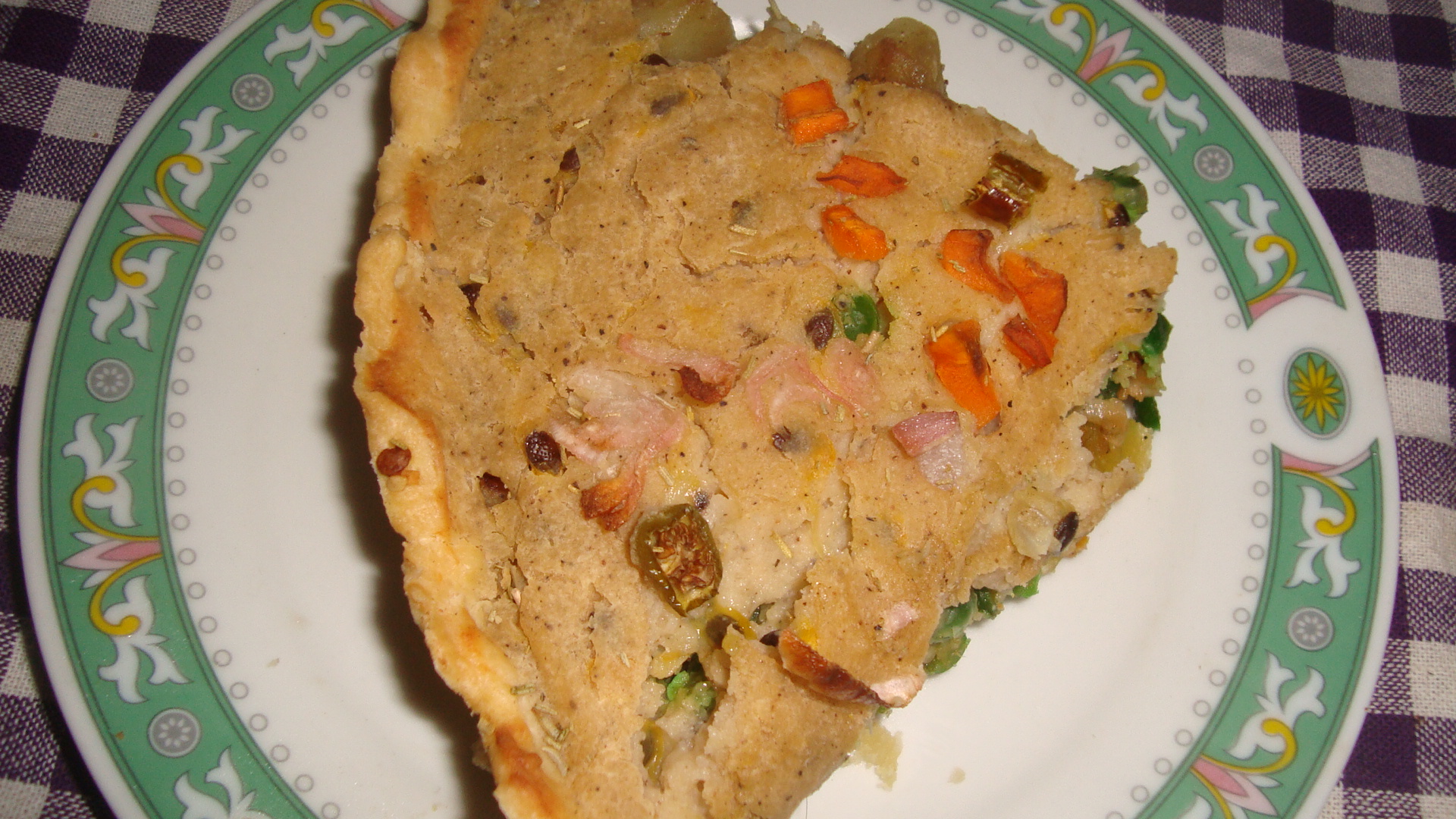
Savoury vegan pie

The recipe I would like to share today is the recipe for a pie that my mother made recently. It was delicious and very filling and included lots of vegetables and even passion fruit and peanuts.

A slice of pieSavoury vegan pie

Time taken:  1 ½ hours

Serves 6 or 8

Ingredients:

Base:

  • Wheat flour – 1 cup
  • Vegetable oil margarine – ¼ cup
  • Salt, to taste

Filling:

  • Green peas – ¾ cup
  • Carrot – ½ cup, chopped and grated
  • Tomatoes – ¾ cup
  • Cabbage – 2 tbsp, shredded
  • Potatoes – 1 or 2
  • Onion – ½
  • Chilli – 1
  • Crushed peanuts – 1 tbsp
  • Ginger – ½ or 1″, as per taste
  • Garlic – 3 or 4 cloves
  • Pepper and salt, to taste
  • Low fat oil (sunflower or canola) – 2 tbsp

Top layer:

  • Soya milk – 1 cup
  • Urad dhal/ Ulunthu flour – 2 tbsp
  • Wheat flour – 1 tbsp
  • Passion fruit – 1
  • Rosemary – 1 tsp
  • Sesame seeds – 1 tsp
  • Chilli or capsicum – 1
  • Onion – ¼
  • Salt and pepper, to taste

Method:

  1. Make the dough for the pie base by mixing the wheat flour, margarine and salt, to taste and kneading it. Let the dough rest while making the filling for the pie.
  2. Boil the tomatoes and mash them slightly. Boil the potatoes and cabbage.
  3. Heat 2 tbsp oil in a pan and fry the ginger and garlic. Then add the onion and crushed peanuts and fry for a few minutes.
  4. Add the slightly mashed, boiled tomatoes to the pan and then add the carrots followed by the green peas and finally the potatoes and cabbage.
  5. Add pepper and salt, to taste. Keep aside the vegetable filling.
  6. In a saucepan, heat the soya milk with 2 tbsp urad dhal and 1 tbsp wheat flour. Bring to a boil, adding salt and pepper, to taste.
  7. When the sauce begins to thicken, add the pulp of passion fruit to give the mix a tangy and fruity flavour.
  8. Take the pie pan and roll out the pie base, covering the pan.
  9. Spoon the vegetable filling on top of the pie base and level it smoothly across the pan.
  10. Pour the tangy batter-like sauce over the vegetable filling.
  11. Sprinkle chopped onion, capsicum or green chilli and the rosemary and sesame seeds over the sauce covering the pie.
  12. Bake for 30 – 40 mins at 220⁰C/ 428⁰F.
  13. Serve hot with some spicy chutney or sauce.

Recipe source: Raji Thillainathan.

Vaalakkai Varuval

Back home after an amazing two weeks of travelling around Yunnan province, it was comforting to be greeted by the familiar. So, my first post for this month will be to share my mother’s recipe for her regular fried ash plantain which I really enjoy.

Vaalakkai varuval/ Ash plantain fry

Time taken: 40 mins

Serves 3

Ash plantain fryIngredients:

  • Ash plantain/ Vaalakkai – 2
  • Malu miris or red capsicum – 1
  • Turmeric – ½ tsp
  • Salt – ½ tsp
  • Onion – 1
  • Garlic – 4 or 5 cloves
  • Curry leaves – 1 sprig
  • Fennel seeds – 1 tsp
  • Crushed chillies – 1 tsp or pepper – 1 tsp
  • Gingelly oil – 2 tbsp

Method:

  1. Boil the ash plantain with skin for 15 minutes.
  2. Set aside the ash plantain to cool. After it has sufficiently cooled, remove skin and chop the boiled fruit into small pieces.
  3. Chop up the malu miris, onion and garlic.
  4. Mix the chopped ash plantain, malu miris and ½ tsp turmeric and ½ tsp salt and let the flavours soak in.
  5. Heat 2 tbsp oil of sesame oil in a pan and add the fennel seeds and the chopped onion and garlic.
  6. When the aroma of the onion and garlic wafts about, add the turmeric and salt coated chopped ash plantain and malu miris and the curry leaves. Cook until they are sufficiently fried which will take around 10 mins.
  7. Just before removing the pan, add 1 tsp crushed chillies and mix well for a minute.
  8. Serve hot with rice.

Recipe source: Raji Thillainathan.

Malu Ambulthiyal

Today’s guest blogger is Sunera Edirisuriya, a staff member of Save the Children. She will be sharing a little background information on Matara district’s specialty seafood dish as well as her mother’s recipe for it.

This is one of the famous fish curries which is unique to down south Sri Lanka. It does not mean that this curry is not cooked in other parts of the country yet there is a difference in the flavour and the ingredients used. Due to its origins in the south, it is customary for people from the south to take a pot or jar of malu ambulthiyal when they visit relatives living elsewhere. This fish curry can be served with rice and other curries. Specially, Malu Ambulthiyal pairs well with Kiribath (Milk rice) and katta Sambola.

In our family, we never miss Malu Ambulthiyal at the meal table during the Sinhala and Hindu New Year festival. It was my paternal grand-mother who used to prepare this dish and then my mother and now my elder sister brings this curry to our New Year meal table.

Malu Ambulthiyal

Cooking time: 20 mins

Serves 10

Malu Ambulthiyal

Ingredients:

  • Fish 1kg
  • Goraka (Garcinia gummi-gutta) – 100g
  • Pepper- 2 tea spoons
  • Green chilies -5
  • Cinnamon – ½ tea spoons
  • Curry leaves
  • Salt, to taste
  • Water – 1 cup

Method:

  1. Cut the fish in to small pieces (15-20) and wash them properly.
  2. Put the pieces of goraka in a saucepan with a little water and simmer until the goraka is soft.
  3. Crush the drained goraka pieces until it becomes a coarse paste
  4. Put the fish, goraka paste, pepper, curry leaves, cinnamon powder, salt and green chillies in the pan and mix them well until all the fish pieces are well coated.
  5. Add 1 cup of water to it.
  6. Cook the mixture over low heat for 20 mins. It would be much more delicious if this dish is cooked in a clay pot.
  7. Serve with rice or kiribath.

Recipe source: Sunera Edirisuriya.

Chicken curry

Today’s guest blogger is Eating milk and honey blogger Flowers for the moon/ Sandamali, who graciously accepted my invite to share one of her favourite recipes. 

My name is Sandamali and I am a fellow blogger on WordPress with an interest in Food and Life. I would like to share with you my mother’s chicken curry recipe.

If you said you were stopping by our house for a meal, you can be sure this would be on the menu. Mum never specifically taught me how to make it, but I have watched her make it countless times and eventually came up with my own version. Usually it is accompanied by Ala Badun (Fried Potatoes), Dhal Curry and Batu Moju (Brinjal Pickle) and a salad and poppodums to be served with either Yellow Rice or Fried Rice.

Chicken curry

Preparation and cooking time: 45 mins

Ingredients:

  • 500g of skinned mixed chicken pieces
  • 2 tablespoons Oil
  • 1 tablespoon Vinegar
  • 1/2 cup canned coconut cream
  • 2/3 cup water
  • 3 cloves garlic peeled and chopped finely
  • 1 small onion diced finely
  • 1 inch piece fresh ginger crushed slightly
  • 1 large tomato diced
  • 2 inch piece Rampe (Pandan Leaf)
  • 3 green chillies chopped finely
  • 2 stalks of curry leaves
  • 2 teaspoons chillie powder
  • 1 and 1/2 tablespoons roasted curry powder (From a Sri Lankan ingredient shop or homemade with coriander seeds, cumin and fennel as the main ingredients)
  • 1/4 teaspoon turmeric
  • 3 cloves
  • 3 cardamoms
  • 2 inch piece cinnamon
  • 1/4 teaspoon dill seeds
  • 1 and 1/2 teaspoons salt

Method:

Step 1

Peel and chop all the fresh ingredients...

Peel and chop all the fresh ingredients…

Step 2

Heat oil in medium sized pan and fry all the fresh ingredients except for tomato and green chillie for 2 minutes on medium heat

Heat oil in medium sized pan and fry all the fresh ingredients except for tomato and green chillie for 2 minutes on medium heat

Step 3

Add the chicken pieces and fry for 5 minutes

Add the chicken pieces and fry for 5 minutes

Step 4

Add all the dry spices and mix well and fry for a further 3 minutes until the chicken is well coated

Add all the dry spices and mix well until the chicken is well coated. Hold back 1/2 teaspoon for salt to taste and add later if required.

Step 5

Fry gently for 3 minutes

Fry gently for 3 minutes and add vinegar

Step 6

Add coconut milk and water and mix well

Add coconut milk and water and mix well

Step 7

Bring to a boil

Bring to a boil

Step 8

Simmer on medium heat for half an hour or until chicken is cooked.

Add tomato and green chillie and simmer on medium heat for half an hour or until chicken is cooked.

Step 9

Taste and add more salt if required.

Taste and add more salt if required.

Step 10

Serve hot with rice or roti

Serve hot with rice or roti

Enjoy

Enjoy

Recipe source: Sandamali/ Flowers for the moon from Eating milk and honey blog.

Nethali Theeyal

This dish is considered a highly nutritious dish and is particularly made for those recovering from a serious illness or childbirth and who need to eat a diet with more calcium content.

This is my grandmother’s recipe as remembered by my mother. Sorry that I do not have an accompanying photo for it as my parents have been vegetarians for nearly 15 years now.

Nethali Theeyal

Time taken: 15 mins

Serves 4

Ingredients:

  • Nethali/ Anchovies – 1 cup
  • Tamarind extract – 1 ½ cup
  • Onion – ½
  • Green chillies – 2
  • Crushed chillies – 1 tbsp
  • Salt, to taste
  • Oil

Method:

  1. Clean the nethali.
  2. Place all the ingredients except oil – the cleaned nethali, chopped onion and chillies, tamarind extract, crushed chillies and salt to taste – in a pan.
  3. Cook on low heat, for around 15 mins, till the gravy thickens.
  4. Drizzle some oil on the edges of the curry before removing the pan from stove.

Recipe source: Raji Thillainathan.

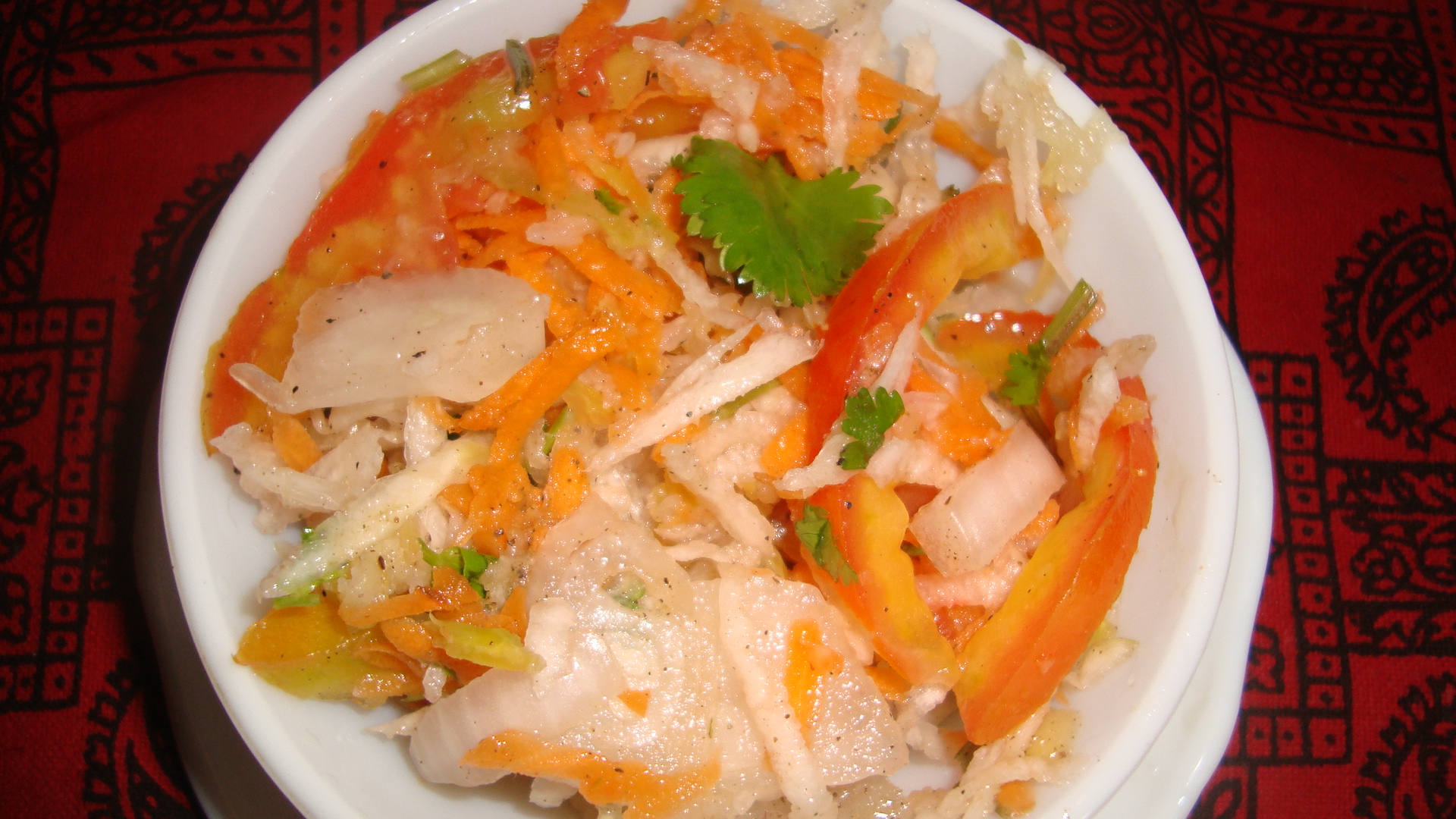
‘Ayurvedic’ salad

Today, I will share what my mother calls her ‘Ayurvedic’ salad because of the vegetables she uses in it. This salad is particularly good for regulating your sugar and cholesterol levels. I like it because it is colourful and crunchy and combines a vegetable I don’t like so much – radish – in  a more appetising way.

‘Ayurvedic’ salad

Time taken: 5 – 10 mins

Serves 2

Ayurvedic salad

Ingredients:

  • Radish – 3 tbsp, grated
  • Bitter gourd – 2 tbsp, grated
  • Tomato – 2 tbsp, finely chopped
  • Onion – 3 tbsp, finely chopped
  • Carrot – 2 tbsp, grated
  • Coriander – a few leaves, for garnish
  • Salt and pepper, to taste
  • Lime juice, to taste

Method:

  1. Place the salad ingredients – grated radish, bitter gourd, carrot and the chopped onion and tomato – in a bowl.
  2. Season with salt and pepper, to taste. Toss to combine.
  3. Garnish with coriander and drizzle some lime juice over the salad.

Recipe source: Raji Thillainathan.

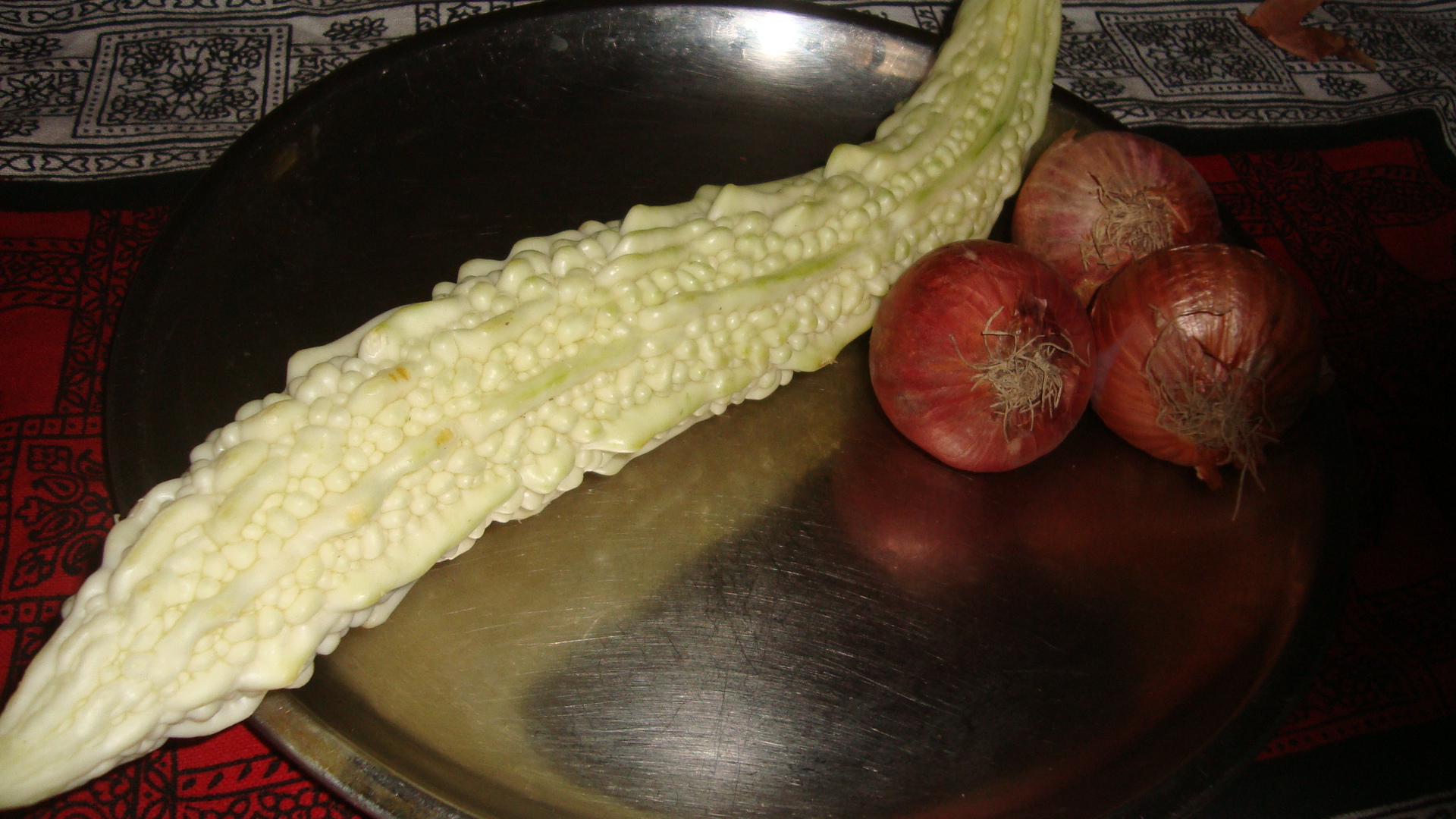
Bitter gourd fry

The other recipe for today is also a bitter gourd recipe of my mother’s.

Bitter gourd fry

Time taken: 20 mins

Serves 1 or 2

Bitter gourd fry

Ingredients:

  • Bitter gourd – ½ cup, chopped
  • Carrot – ¼ cup, chopped
  • Onion – ¼, chopped
  • Green chilli – ½, chopped
  • Capsicum or Malu miris – ½, chopped
  • Tomato – ½, sliced
  • Fennel seeds – ½ tsp
  • Crushed chillies – ½ tsp
  • Curry leaves – 1 sprig
  • Low fat oil – 1 ½ tbsp
  • Sugar – ½ tsp
  • Salt, to taste

Method:

  1. Add some salt to the bowl of chopped bitter gourd and carrot pieces and keep aside for about 5 mins.
  2. Heat ½ tbsp oil in a pan and fry the fennel seeds.
  3. Add the curry leaves as the seeds start to splutter and immediately add the chopped onions, green chilli and capsicum or malu miris.
  4. Fry the onions and chillies for about 2 mins.
  5. Add 1 tbsp of oil and the salted bitter gourd and carrot pieces.
  6. Cook for about 10 mins, on low heat, stirring continuously.
  7. Add the sliced tomatoes and cook for a few minutes.
  8. Add ½ tsp of crushed chillies. Mix well and cook for a minute or two.
  9. Just before removing from heat, add ½ tsp sugar and mix well.
  10. Serve hot with rice.

Recipe source: Raji Thillainathan.

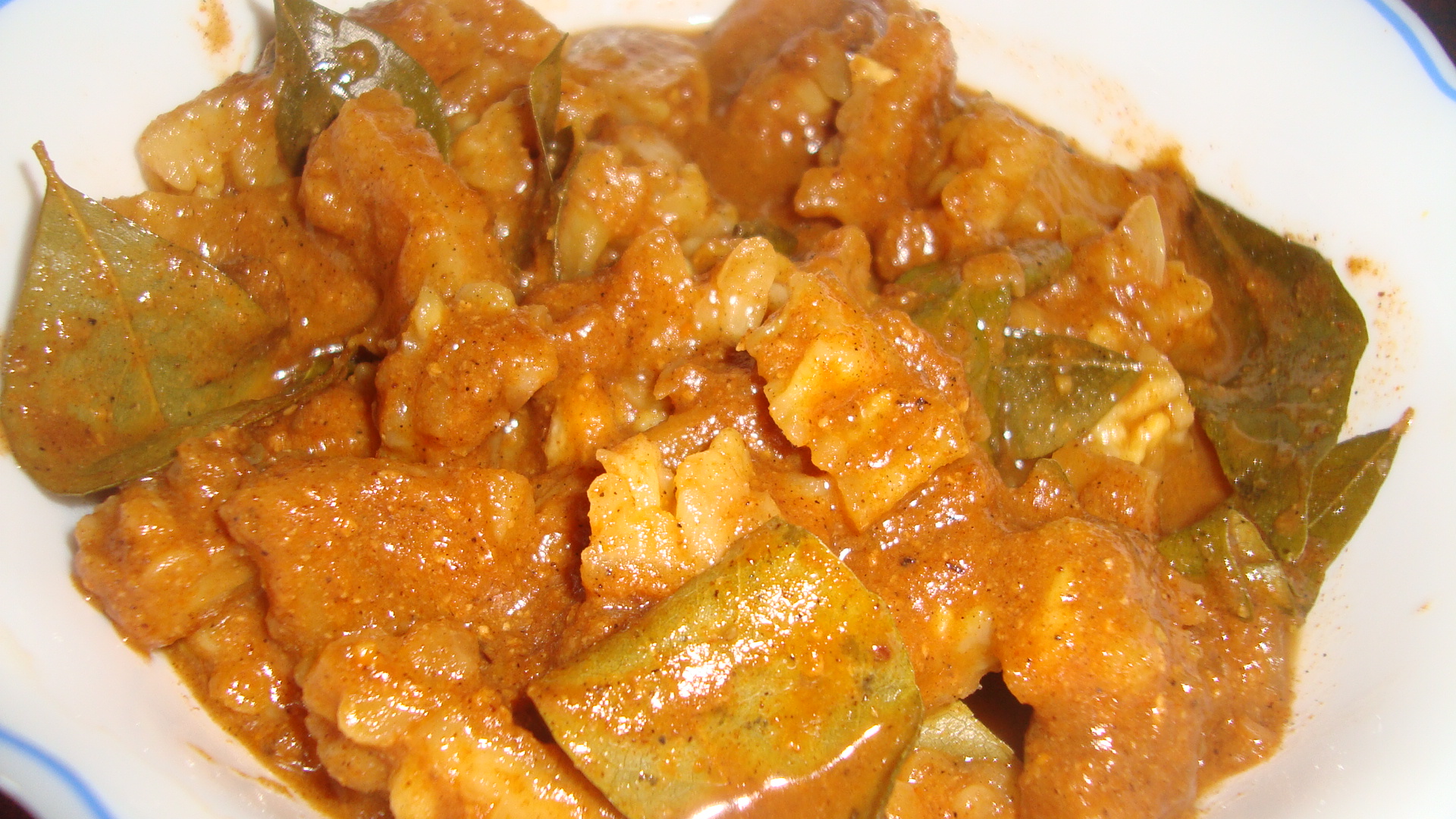
Pavatkai Kulambu

Today’s recipe is my mother’s delicious ‘pavatkai’ (bitter gourd) recipe. My grandmother used to first soak the chopped bitter gourd in fresh coconut water before cooking it to remove its bitterness. My mother prefers retaining a certain amount of the bitterness so she doesn’t use coconut water. Bitter gourd Pavatkai Kulambu Time taken: 30 – 40 mins Serves 4 Pavatkai curry Ingredients:

  • Bitter gourd/ pavatkai – 1 cup, chopped
  • Tamarind extract – 1 cup, thin consistency
  • Onion – ½ chopped
  • Curry leaves – 1 sprig
  • Coconut milk or non-fat milk – ¼ cup
  • Curry powder – 1 tsp
  • Sugar – 1 tsp
  • Salt, to taste

Method:

  1. Cook the chopped bitter gourd in water, in a pan, for about 5 to 10 mins on medium heat.
  2. Add the tamarind extract, curry powder, curry leaves, chopped onion and salt to taste to the pan.
  3. Let the ingredients combine and simmer on low heat for about 15 to 20 mins. If the bitter gourd is not tender enough as the liquid starts drying up, add ½ cup of water.
  4. Add ¼ cup of coconut milk or non-fat milk and a tsp of sugar. Mix well and let the curry simmer for another 5 to 10 mins on low heat.
  5. Remove from heat and serve with rice.

Recipe source: Raji Thillainathan.

Mutton fry

The second recipe I will share today is also a non-vegetarian recipe that my mother recalls a relative in Vavuniya had cooked decades ago. As I am yet to receive recipes from the district of Vavuniya, I am happy to share this recipe based on my mother’s recollection of watching the dish being prepared.

Mutton fry

Time taken: 30 – 45 mins

Serves 4 – 6 persons

Ingredients:

  • Mutton – 2 cups, chopped
  • Onion – 1, chopped
  • Crushed ginger and garlic – 2 tbsp
  • Curry powder – 2 tbsp
  • Mixed 3C (Cinnamon, cardamom, clove) spice powder – 1 tsp
  • Lime juice – 1 tbsp
  • Pepper – ½ tsp
  • Salt, to taste
  • Oil – 3 tbsp

Method:

  1. Clean and chop the mutton into pieces.
  2. In a mixing bowl, add the chopped onion, crushed ginger-garlic, mixed 3C spice powder, curry powder, lime juice, salt and pepper. Add the mutton pieces to the bowl and ensure that they are well coated in the marinating mixture.
  3. Heat 3 tbsp oil in a pan and transfer the contents of the bowl, the mutton pieces together with the chopped onion and spices, to the pan.
  4. Cover the pan and let the mutton cook on low heat. Every 5 to 10 mins, uncover the pan and flip the pieces to the other side.
  5. Continue to cook until the mutton is well cooked and lightly browned throughout. The roasting takes about 30 to 40 mins.
  6. Serve with rice.

Recipe source: Raji Thillainathan.