Thosai with Sambhar

Today’s recipe is a meal that my mother often makes at home for dinner – Thosai with sambhar and sambal. This is a meal that can also be eaten at breakfast or lunch.

Thosai with Sambhar

(a) Thosai

Cooking time: 30 mins + soaking and fermenting time: 12 hours

Makes 20

Ingredients:

  • Raw rice – 1 cup
  • Ulunthu/ urad dal – 1 cup
  • Fenugreek – ¼ tsp
  • Curry leaves – 1 sprig
  • Onion – small piece, chopped
  • Cumin – 1 tsp
  • Pepper – 1 tsp
  • Turmeric – ½ tsp

Method:

  1. Soak the rice, dal and fenugreek for 6 hours.
  2. Drain the soaked mixture and wash it lightly.
  3. Put the mix in the blender together with the curry leaves, chopped onion and cumin, pepper and turmeric. Blend until the thosai batter has a consistency similar to that of pancake batter consistency.
  4. Transfer the batter to a bowl. Cover and let it ferment for another 6 hours.
  5. Add salt and mix before heating up the thosai pan or flat pan.
  6. Pour a large spoonful of batter and spread it out. Flip to the other side after a minute or two so that both sides are cooked well and have brownish tinges.
  7. Serve the thosai hot with sambhar and dried red chilli sambal.

(b) Sambhar

Cooking time: 30 mins

Serves 5 or 6

Ingredients:

  • Mysore dal – ½ cup
  • Brinjal – ½ cup, chopped
  • Beans – ½ cup, chopped
  • Carrot – ½ cup, chopped
  • Potato – 1 medium-sized, chopped
  • Pumpkin – ½ cup, chopped
  • Murungai Kai – ½ cup, chopped (optional)
  • Onion – ½, chopped
  • Curry leaves – 1 sprig
  • Tamarind extract – ¼ cup
  • Crushed chillies – 1 tsp
  • Cumin powder – 1 tsp
  • Coriander powder – 1 tsp
  • Pepper – ½ tsp
  • Garlic cloves – 2 or 3, crushed
  • Turmeric powder – ½ tsp
  • Coconut milk – ¼ cup
  • Salt, to taste

Method:

  1. Cook the vegetables, in a pan with 3 cups of water, for about 15 – 20 minutes on medium heat.
  2. Reduce heat and if water had dried up, add another ½ cup water.  Add the tamarind juice, mix well and cook for another 5 minutes.
  3. Add the crushed chillies, cumin, coriander and pepper powder, crushed garlic and turmeric powder to the pan. Mix well and cook for a few more minutes.
  4. Towards the end, add ¼ cup coconut milk. Cook for a few minutes before removing from heat.
  5. Serve sambhar with thosai or idli.

Recipe source: Raji Thillainathan.
Palakottai curry

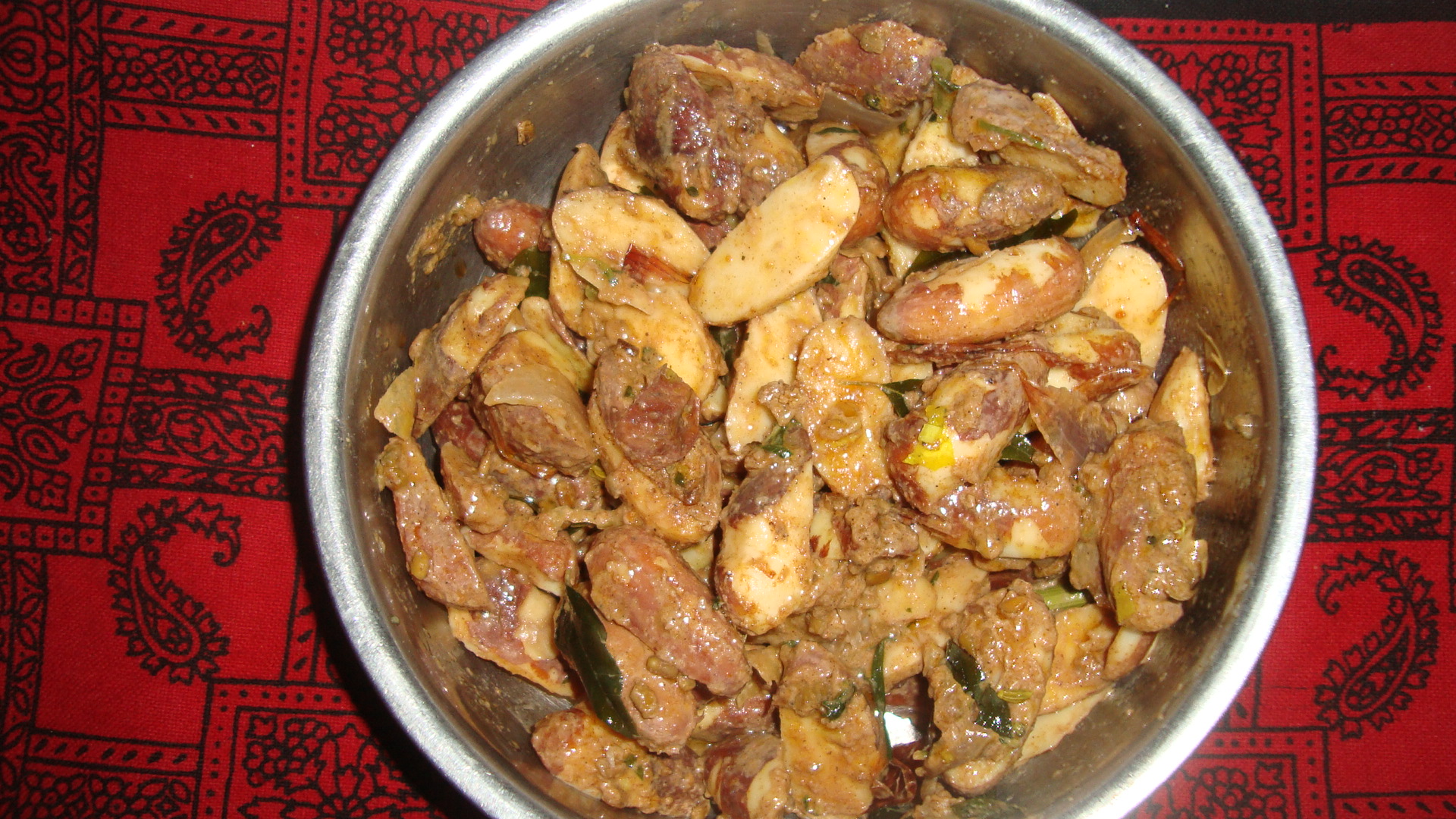
This is one of the ways my mother cooks jackfruit seeds.

It is difficult to cut up fresh, ripe jackfruit. When you keep it for 2 to 3 days, it becomes easier to chop and peel the outer layers and remove the fruit. As you pull out each of the sweet and ripe yellow fruit, cut a slit and remove the seed inside and collect in a separate bowl.

Palakkottai curry

Time taken: 20 – 30 mins

Serves 3

Palakkottai curry

Ingredients:

  • Palakkotai (Jackfruit seeds) – 1 cup
  • Coconut milk – 2 ½ cups (thin consistency)
  • Onion – ½ chopped
  • Curry leaves
  • Curry powder – 1 tsp
  • Salt, to taste

Method:

  1. Wash and clean the jackfruit seeds.
  2. Put the cleaned jackfruit seeds in a pan and add 2 ½ cups of thin coconut milk. Also add the chopped onion, curry leaves and the curry powder and salt.
  3. Cook for about 20 minutes until the curry thickens and the seeds are cooked and soft enough.
  4. Serve with rice or pittu.

Recipe source: Raji Thillainathan.
Vallarai salad and chutney

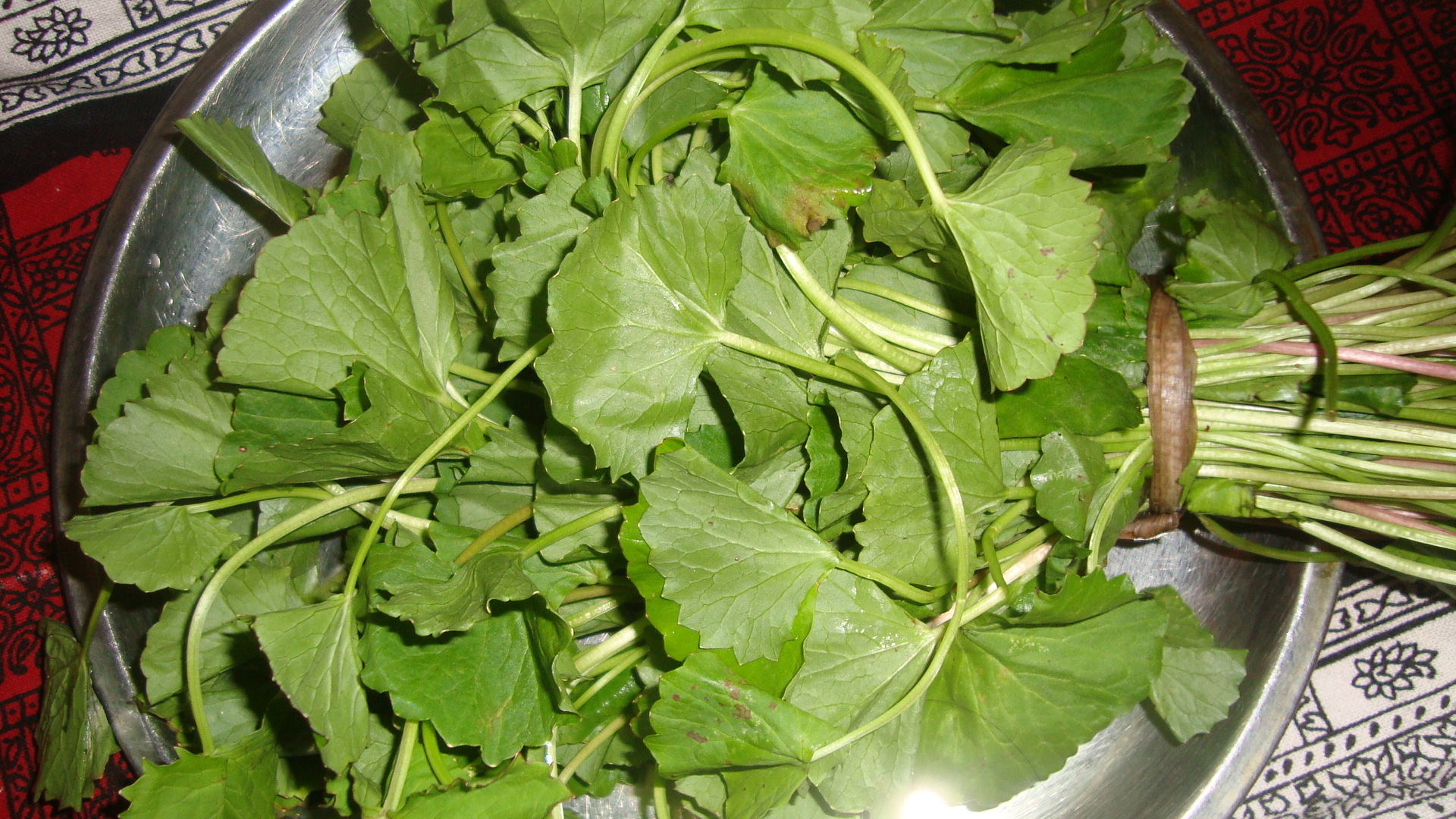
The first recipe for today is vallarai salad followed by vallarai chutney. Vallarai/ Gotukola (Centella Asiatica) is a herb used in Ayurvedic medicine, traditional Chinese as well as African medicine. It is said to improve memory and some believe youthfulness.

Bunch of Vallarai/ Gotukola

Bunch of Vallarai/ Gotukola

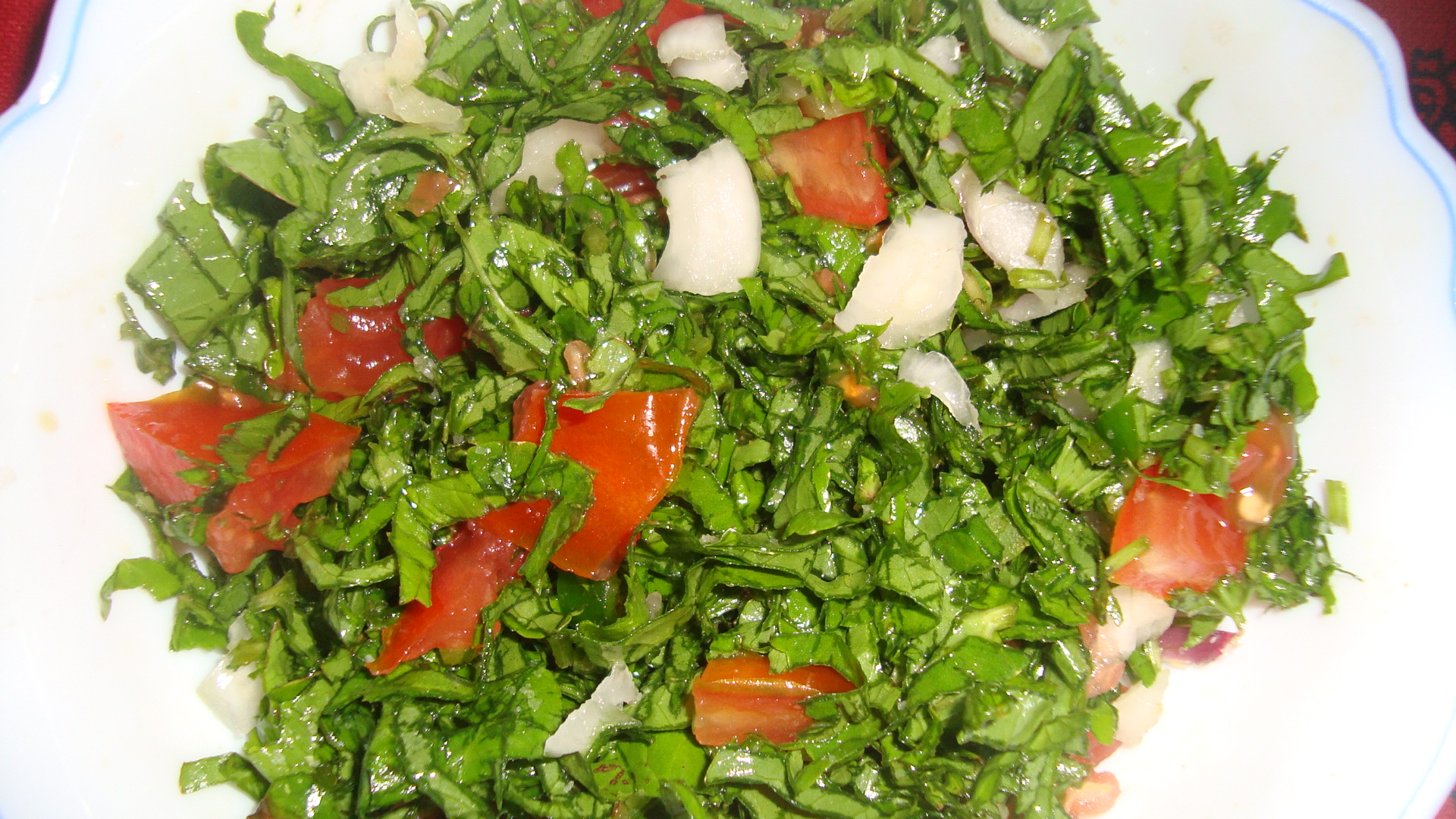
(a) Vallarai salad

Time taken: 10 mins

Serves 3 or 4

Vallarai salad

Ingredients

  • Vallarai bunch – 2 cups, when finely chopped
  • Tomato – 1 medium or grated coconut – 1 tbsp
  • Chilli – 1
  • Onion – ½
  • Pepper and Salt, to taste
  • Lime juice – 1 tbsp, adjust as preferred

Method:

  1. Wash the bunch of vallarai leaves thoroughly and then finely chop them up and put them in a large salad mixing bowl.
  2. Chop up the tomato, chilli and onion and add to the bowl. For those who don’t like tomatoes, substitute with freshly scraped coconut.
  3. Sprinkle some pepper and salt, to taste and add the lime juice.
  4. Toss well and serve immediately.

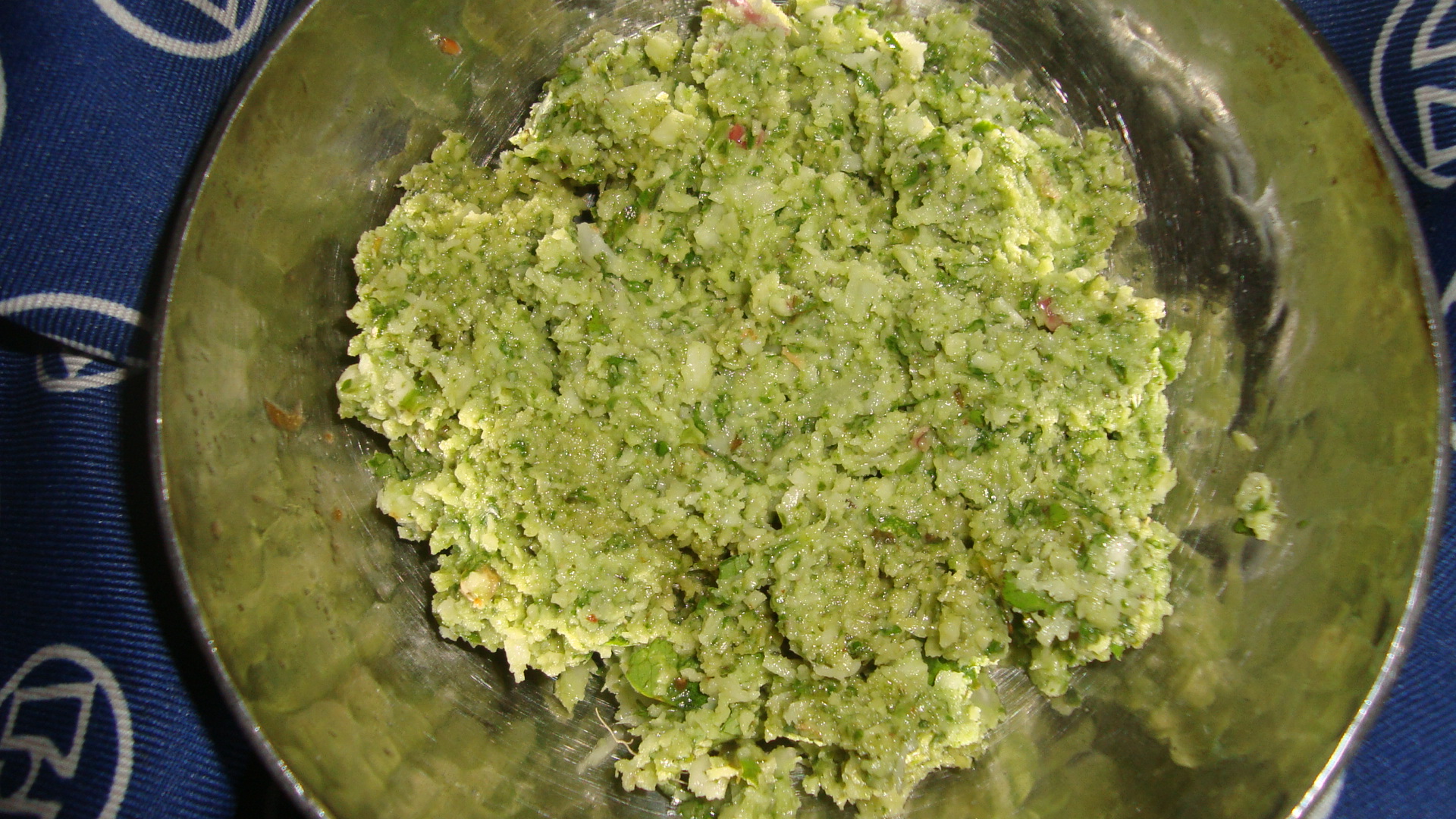
(b) Vallarai chutney

Time taken: 5 mins

Serves 3

Vallarai chutney

Ingredients:

  • Vallarai – 2 cups, finely chopped
  • Freshly scraped coconut – ½ cup
  • Onion – ½ chopped
  • Green chillies – 2
  • Lime juice, to taste

Method:

  1. Blend the 2 cups of finely chopped vallarai with ½ cup of freshly scraped coconut, ½ onion and 2 chillies.
  2. Squeeze some fresh lime juice over the chutney and mix before serving immediately.

Recipe source: Raji Thillainathan.

Pittu with Katharikkai

Today, I felt like sharing another of my family’s comfort food. During the weeks that my mouth was wired shut after my road traffic accident nearly a decade ago, the food that I felt like eating the most was pittu and katharikkai vathakkal. It was then that I found out that everyone in my family seemed to like it very much as well.

As pittu is made as either kulal pittu or regular pittu and my mother generally makes the katharikkai (brinjal) as a curry or vathakkal (stir-fry) to go with the pittu, I decided to share the recipes for all of them.

(a) Kulal pittu (pittu steamed in bamboo)

Time taken: 25 mins

Serves 3

DSC09954

Kulal Pittu

Ingredients

  • Roasted rice flour – 1 cup
  • Steamed wheat flour – ¼ cup
  • Salt – ½ tsp
  • Scraped coconut – ¼ cup
  • Hot water, as required

Method:

  1. Mix the roasted rice flour and the steamed wheat flour. Add some salt.
  2. Pour the hot water (boiled and slightly cooled) slowly into the flour mixture and stir by hand till you have coarse, little balls.
  3. Divide into three sections of flour mixture.Divide the freshly scraped coconut into four parts.
  4. Take the bamboo steamer and layer the bottom with one part of the freshly scraped coconut. Then, take one of the divided sections of flour mixture and fill in the bamboo steamer. Layer again, with the second part of scraped coconut. Repeat for remaining two sections of flour mixture until the bamboo steamer is filled but not overflowing. Top with the final part of the scraped coconut.
  5. Steam for 10 to 15 minutes.
  6. Serve the kulal pittu with katharikkai kulambu.

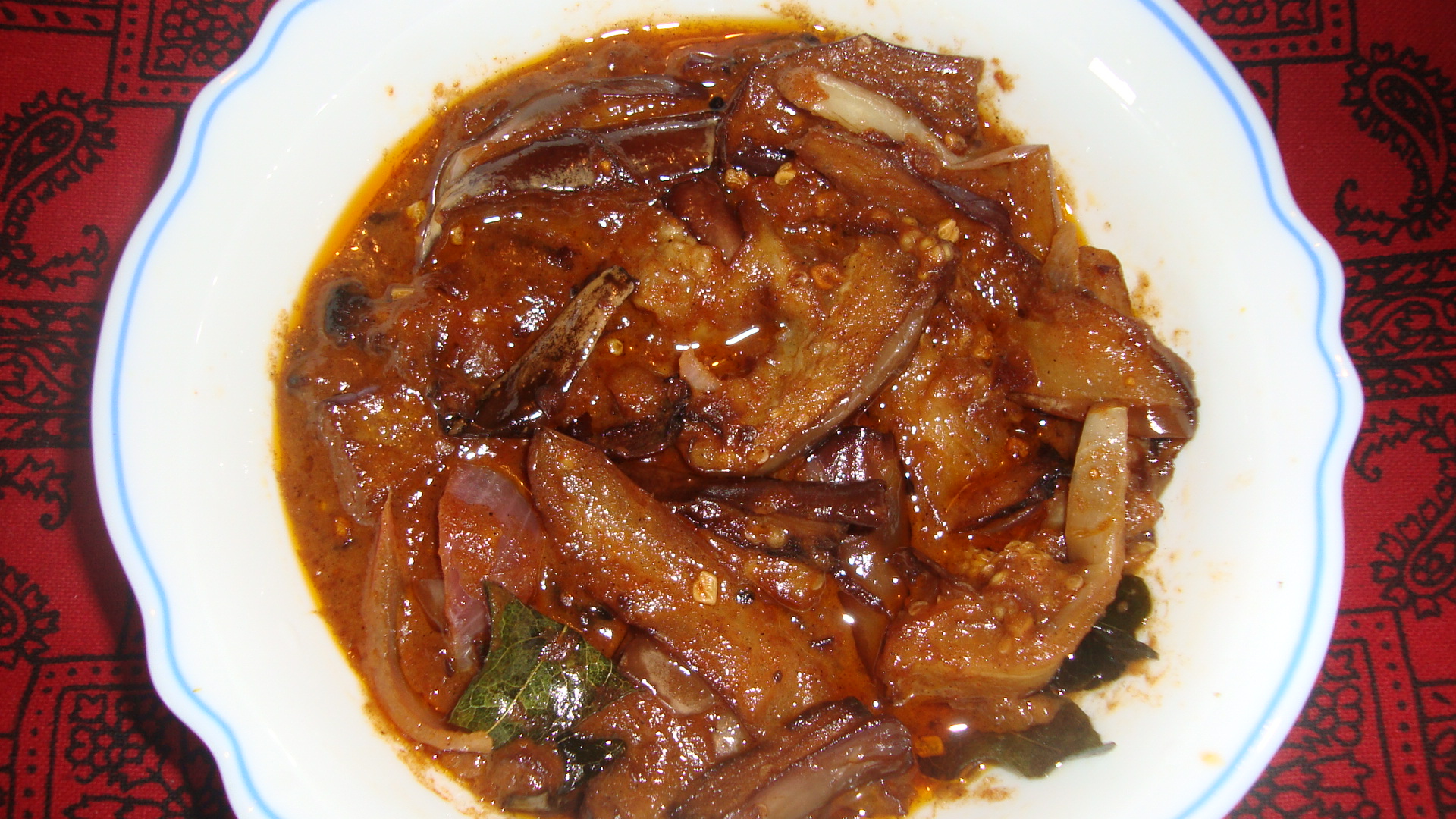
(b) Katharikkai Curry/ Brinjal curry

Time taken: 30 mins

Serves 4 to 5

Katharikkai curry

Katharikkai curry

Ingredients

  • Brinjal – 2 cups (1 or 1 ½ inch thin slices)
  • Onion – ½, chopped
  • Fenugreek seeds – 2 tsp
  • Curry leaves – 1 sprig
  • Tamarind extract – ½ cup
  • Coconut milk or non-fat milk (for non-vegans) – 1 cup
  • Curry powder – 1 ½ tsp
  • Sugar – 1 tsp
  • Salt, to taste
  • Low fat oil (sunflower or canola) – 2 tsp + for deep frying

Method:

  1. Cut the brinjals into 1 or 1 ½ inch thin slices till you have about 2 cups.
  2. Deep fry the brinjal slices they brown and keep aside.
  3. Heat 2 tsp oil in a pan and sauté the onion and curry leaves with the fenugreek seeds for a couple of minutes.
  4. Add the brinjal slices to the pan. Mix and fry for a few more minutes.
  5. Add the ½ cup of tamarind extract and simmer for a few minutes before adding the coconut milk or non-fat milk and the curry powder and salt, to taste.
  6. Let the curry simmer for 10 minutes.
  7. Finally, add the sugar, mix and quickly remove from heat. For curries that use tamarind, it is good to add some sugar at the end, just before removing from the stove, as it enhances the flavours.
  8. Serve with pittu or rice.

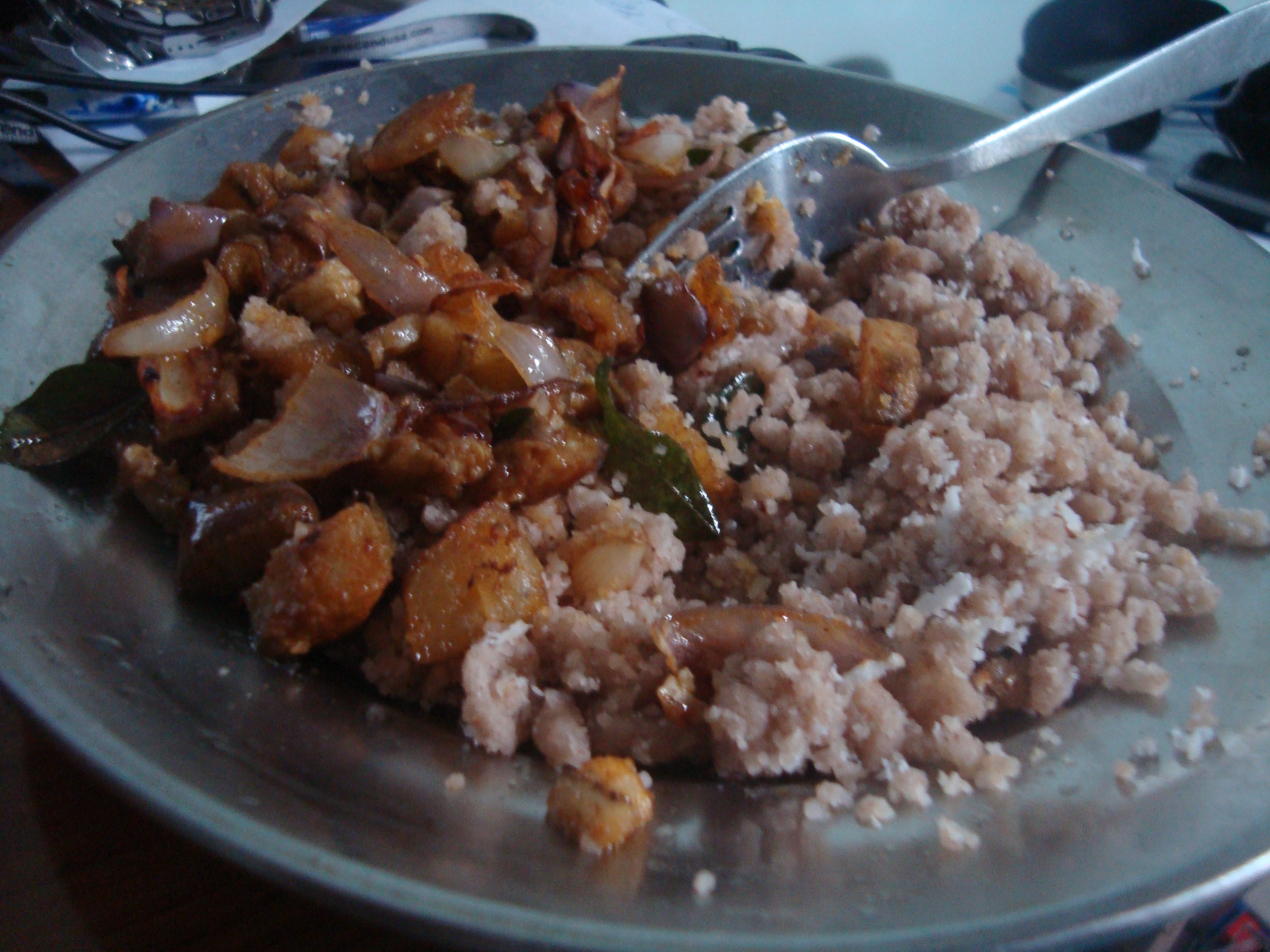
(c) Pittu with Katharikkai Vathakkal

Ingredients:

Time taken : 35 – 40 mins

Serves 3 to 4

DSC07148

Pittu with Katharikkai Vathakkal

Ingredients:

  • For pittu, ingredients are the same as for kulal pittu – see (a) above
  • Brinjals – 2
  • Onion – ½
  • Chilli – 1
  • Curry leaves – 1 sprig
  • Curry powder – 1 tsp
  • Salt, to taste
  • Sesame oil – 2 tbsp

Method:

  1. For the regular pittu, follow steps 1 and 2 as for the kulal pittu. Then, mix in the freshly scraped coconut into the bowl of tiny flour balls. Steam the pittu mix in a normal steamer for about 10 – 15 minutes.
  2. Wash and clean the brinjals. Cut the brinjals lengthwise and then finely chop them into small pieces. Sprinkle some salt over the chopped pieces. Mix and keep aside.
  3. Finely chop up the onion and chilli.
  4. Heat 2 tbsp oil in a pan. Add the chopped brinjal pieces to the pan and fry them for 5 mins.
  5. Add the chopped onions and continue frying for another 5 mins. If needed, add a little more oil.
  6. At the end, add the curry powder, mix and fry for a couple of minutes before removing from heat.
  7. Serve the pittu with the katharikkai vathakkal.

Recipe source: Raji Thillainathan.
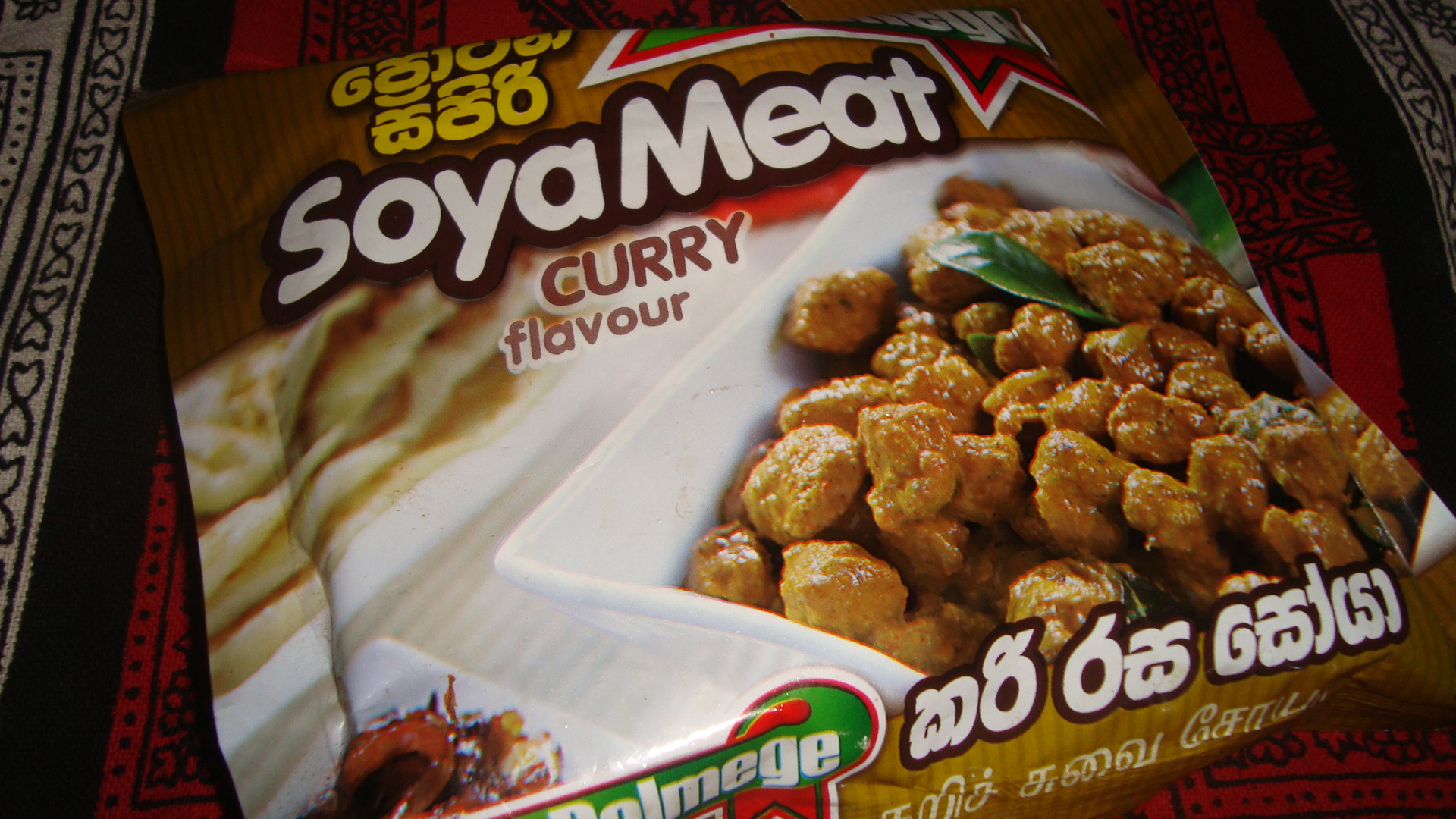
Soyameat Curry and Fried Soyameat

In the late 70s and early 80s, a lot of research was done in Sri Lanka on processed soyabeans as a means to alleviate protein deficiency amongst children and pregnant and lactating mothers. Soyameat was soon introduced in the market and promoted by the health ministry and the new and affordable food product became a hit in Sri Lankan households.

Soyameat

Today, I will share two ways my mother makes soyameat at home.

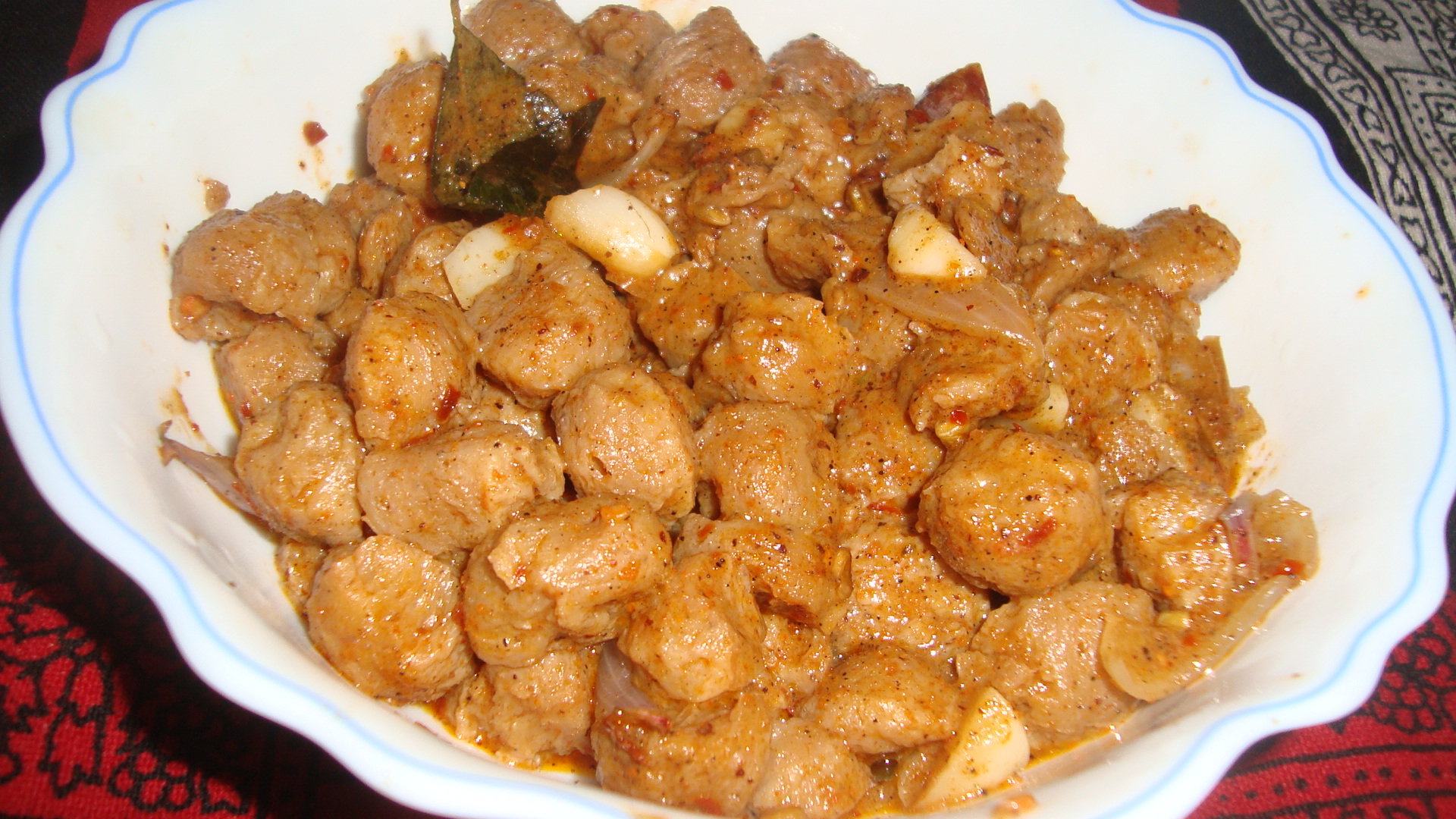
(a) Soyameat curry

Time taken: 15 – 20 mins

Serves 4 or 5

Soyameat curry

Ingredients:

  • Soyameat  – 1 packet
  • Onion – ½, chopped
  • Ginger – ½ “ piece, chopped
  • Garlic – 2 cloves, chopped
  • Fenugreek seeds – ½ tsp
  • Curry leaves – 1 sprig
  • Rampe leaf/ pandan – 1” piece
  • Coconut milk (for vegans) or non-fat milk – ½ cup
  • Curry powder – ½ tbsp
  • Salt, to taste
  • Low fat oil (sunflower or canola) – 1 tbsp

Method:

  1. In a bowl, Add 1 cup of boiling water and add the soyameat chunks. Add some salt and let the soya chunks soak for around 5 minutes. Drain out the water and keep aside.
  2. Heat 1 tbsp oil in a pan and fry the chopped onion, ginger, garlic and curry leaves and rampe with the fenugreek seeds for a minute or two.
  3. Then, add the soaked and drained soyameat chunks and mix well.
  4. Add the curry powder (you can alternatively use the curry powder mix that comes with the packet) and the coconut or non-fat milk.
  5. Let the curry cook for about 10 mins. Adjust salt, if required.
  6. Remove from heat.
  7. Serve with roti or rice.

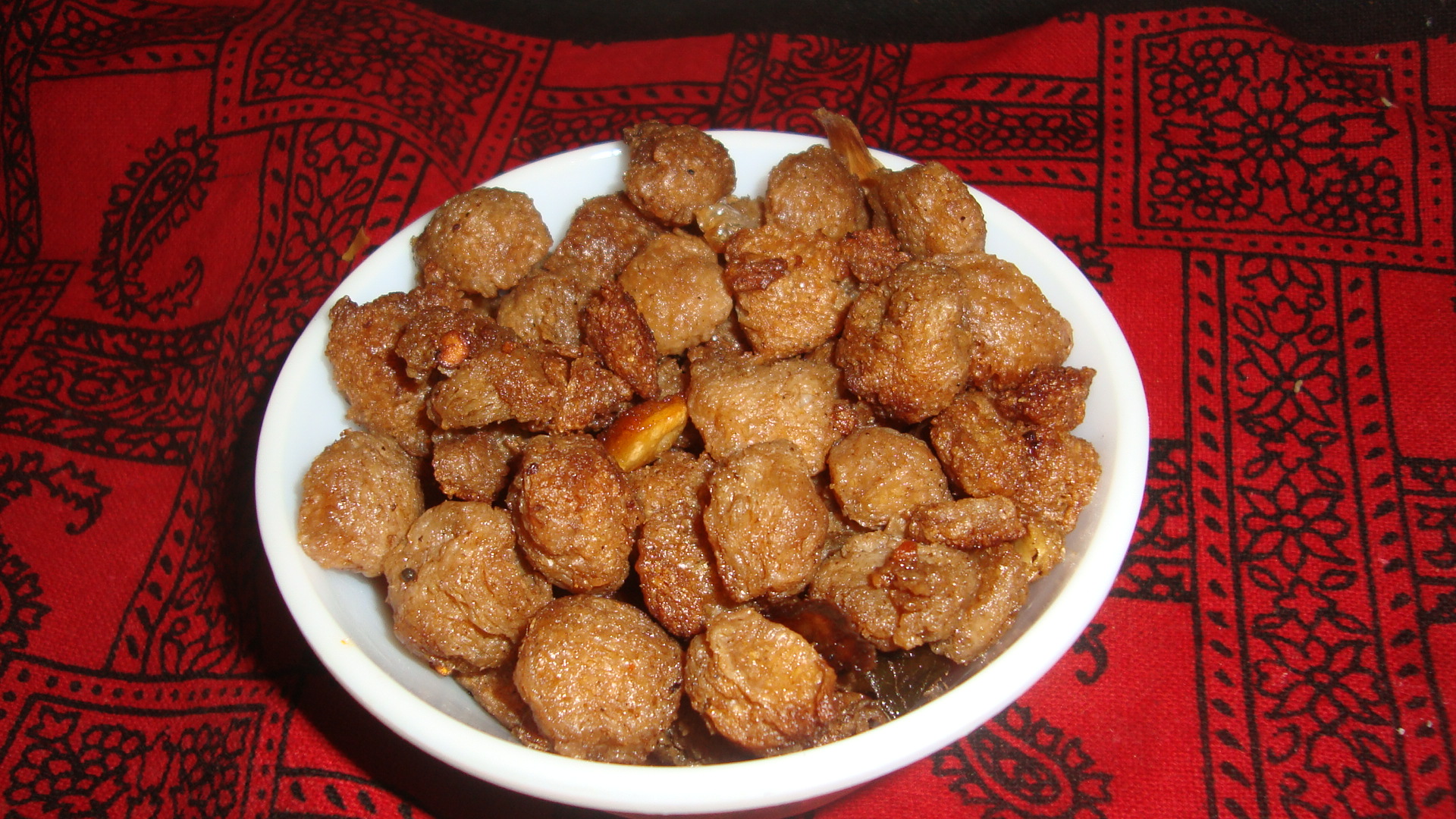
(b) Fried soyameat

Time taken: 20 mins

Serves 4 or 5

Fried soyameat

Ingredients:

  • Soyameat – packet
  • Onion – ¼ , chopped
  • Ginger – ½ “ piece, chopped
  • Garlic – 2 cloves, chopped
  • Curry powder – 1 ½ tsp
  • Salt, to taste
  • Oil – 1 tsp (for marinating) + for deep-frying.

Method:

  1. In a bowl, Add 1 cup of boiling water and add the soyameat chunks. Add some salt and let the soya chunks soak for around 10 minutes. Drain some of the water (not needed to have it dry) and keep aside.
  2. Heat 1 tsp oil in a pan and fry the chopped onion, ginger, garlic and curry leaves for a minute.
  3. Add the lightly drained soyameat chunks and mix well for a couple of minutes. Remove from heat and keep aside, allowing it to marinate.
  4. When cooled, squeeze out the liquid (excess water or oil) from the marinated soyameat mixture and deep-fry in a pan.
  5. Serve with rice.

Recipe source: Raji Thillainathan.
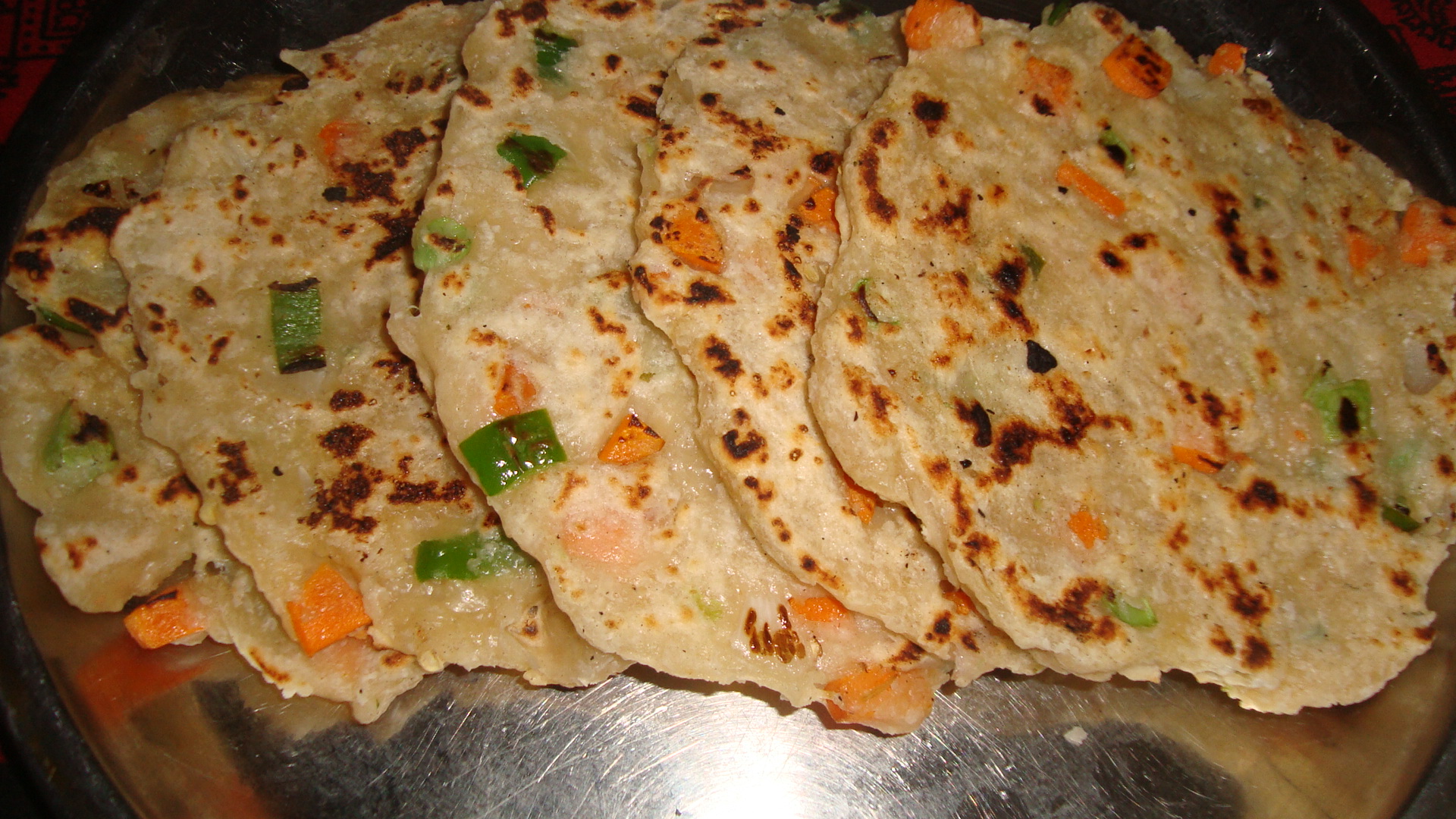
Veggie roti

Roti has always been a favourite of mine. What is even better is that it is amongst the few food that seems to have been and continue to be comfort food across different generations in my family.

Today, I will share the recipe for my mother’s veggie roti.

Veggie roti

Time taken: 35 mins

Makes 4

Veggie roti

Ingredients

  • Wheat flour – 1 cup
  • Scraped coconut – ¼ cup
  • Chillies – 2
  • Onion – ½
  • Beans – 4
  • Carrot – ½
  • Water, as required
  • Low fat oil (sunflower or canola), as required

Method:

  1. Finely chop the carrot, beans, onion and chillies.
  2. In a bowl, add the wheat flour, freshly scraped coconut and mix in the finely chopped vegetables.
  3. Add some salt, to taste.
  4. Stir in some water slowly and make the mixture into a ball of dough that should not stick to your fingers.
  5. Pour in a little oil and divide the dough into 4 balls and keep aside for 10 – 15 mins.
  6. Roll out each of the four balls and cook them on a flat pan or griddle on low heat. Flip the roti to the other side after a few minutes so that both sides are cooked and slightly browned.
  7. Serve with soyameat curry or sambal.

Recipe source: Raji Thillainathan.
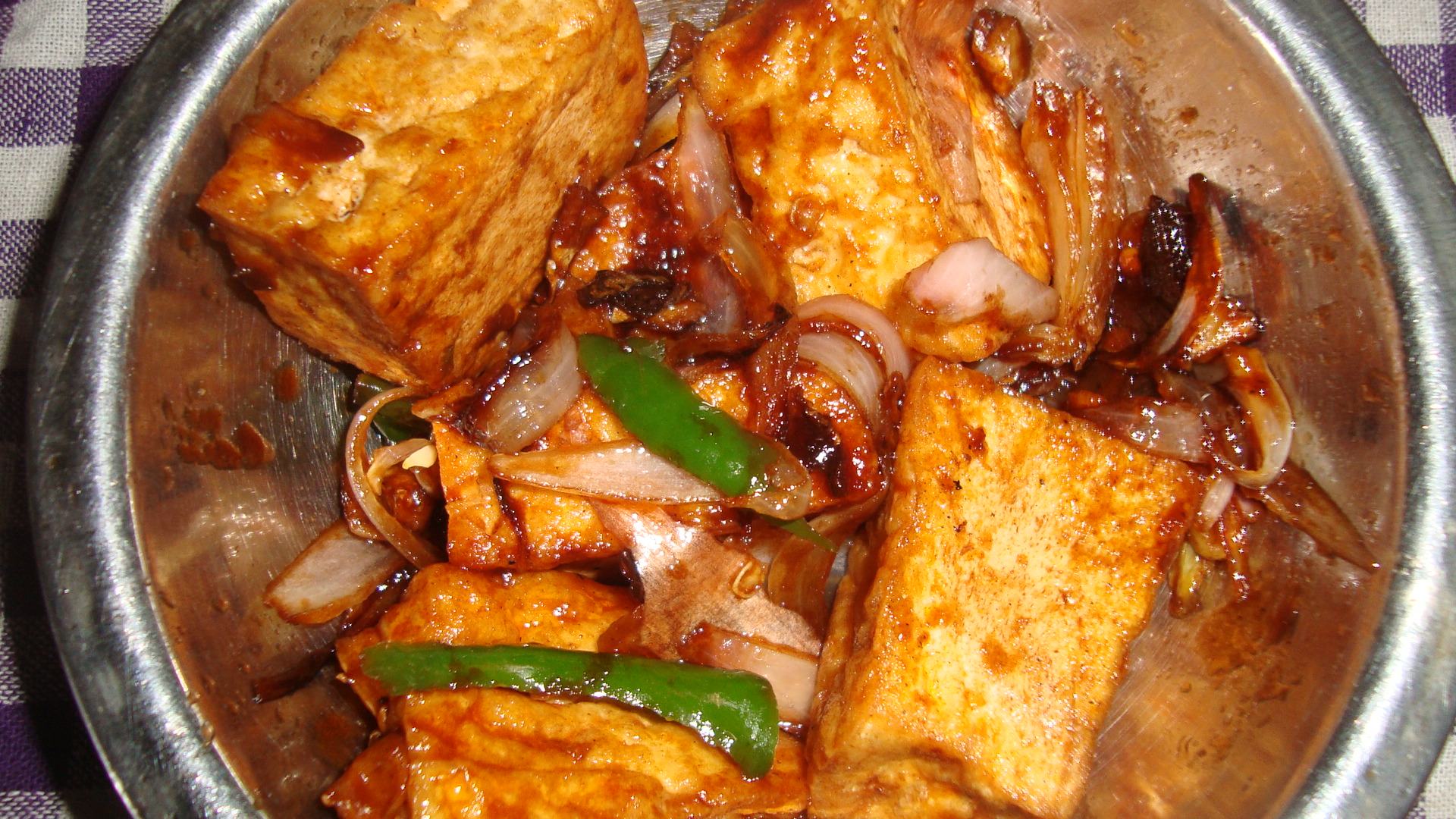
Fried bean curd

This is the most common way my mother makes bean curd at home.

Fried bean curd

Cooking time: 15 – 20 minutes

Serves 4

Fried bean curd

Ingredients:

  • Bean curd – 150 g
  • Onion – 1
  • Ginger – 1 inch
  • Garlic – 2 or 3 cloves
  • Capsicum – 1 or green chillies – 3
  • Soya sauce – 1 tbsp
  • Tomato sauce – 2 tbsp
  • Low fat oil (sunflower or canola) – 2 tsp

Method:

  1. Cut the bean curd into 1 inch pieces and deep fry the pieces until browned.
  2. Chop onion, ginger, garlic and chillies.
  3. Heat the oil in the pan and sauté the chopped onion, ginger, garlic and chillies.
  4. Add the soya sauce and tomato sauce and sauté for 1 minute.
  5. Add the fried bean curd pieces and fry for another 3 to 5 minutes.
  6. Serve hot with rice or soup noodles.

Recipe source: Raji Thillainathan.
Three fish recipes

Today, I will share three fish preparations of my grandmother, as remembered by my mother and occasionally prepared at home during my childhood days.

(a) Fish curry

Cooking time: 25 mins

Serves 5

Ingredients:

  • Fish (any type) – 5 pieces
  • Onion – ½, chopped
  • Fenugreek seeds – 1 tsp
  • Curry leaves – 1 sprig
  • Tamarind juice – ½ cup
  • Coconut milk – 1 cup (thin consistency) + ½ cup (thick consistency)
  • Special curry powder for fish – 1 tbsp + 1 tsp (optional)
  • Oil, as required

Method:

  1. Heat oil in a pan and fry the chopped onion and curry leaves with fenugreek seeds for 2 minutes.
  2. Add the fish pieces. Mix well and fry for a few minutes.
  3. Reduce the heat to low and add ½ cup of tamarind extract and then the 1 cup of thin coconut milk.
  4. Let the curry simmer for about 15 minutes.
  5. Add the ½ cup of thick coconut milk and if you like, another tsp of the curry powder. Let the curry cook for another 5 mins until the gravy thickens.
  6. Serve with rice.

(b)  Fried fish/ Meen Poriyal or Varuval

Cooking time: 30 mins

Serves 4

Ingredients:

  • Seer fish/ Arakkula or Malabar Trevally/Paarai meen or Emperor fish/ Vilai meen  – 4 pieces
  • Onion – 2, chopped
  • Crushed red chillies – 2 tsp
  • Cumin powder – ½ tsp
  • Coriander powder – ½ tsp
  • Curry leaves – 1 sprig
  • Chilli powder – ½ tsp
  • Salt, to taste
  • Oil, for deep-frying

Method:

  1. Clean the fish pieces. Marinate with salt and chilli powder.
  2. Deep fry the marinated pieces and keep aside.
  3. Heat a little oil in a pan and fry the onions and curry leaves. Add the crushed chilli, cumin and coriander powders.
  4. Add the fried fish and mix. Cook for about 10 mins or nicely combined.
  5. Serve with rice.

(c) Scrambled fish or Sura varai

Time taken: 25 mins

Serves 4

Ingredients:

  • Fish, usually shark/ sura – 1 cup (250g), cleaned and chopped pieces
  • Onion – 1, chopped
  • Green chilli – 1, chopped
  • Dried red chillies – 2, chopped
  • Curry leaves – 1 sprig
  • Fennel seeds – 1 tsp
  • Mustard seeds – ½ tsp
  • Freshly scraped coconut – 2 tbsp
  • Pepper or Curry powder – 1 tbsp
  • Turmeric powder – ½ tsp
  • Pepper powder – 1 tsp
  • Salt, to taste
  • Sesame oil, as required

Method:

  1. Boil the fish pieces. Once cooked, cool and then crumble the pieces in a bowl. Add some salt, pepper and turmeric powder and keep aside.
  2. Heat 2tbsp of sesame oil in a pan and sauté the chopped onion, green and red chillies and curry leaves with the fennel and mustard seeds.
  3. Add the crumbled and spiced fish to the pan and mix well. If needed, add a little more oil.
  4. Finally, add the freshly scraped coconut. Combine well and cook for a few minutes before removing from heat.
  5. Serve with rice.

Recipe source: Raji Thillainathan.
Crab curries

Vegetarian readers of this blog can ignore my posts this weekend as I will be sharing some non-vegetarian recipes of my grandmother, as remembered by my mother from her teen years.

Being an island, seafood has played a major role in Sri Lanka’s cuisine. The way it is cooked differs in each coastal district around the country. Today, I will share two recipes of crab curries, from Jaffna, without any photos as the last time crab was cooked at home was when I was around 5 years old.

(a) Crab meat curry

Time taken: 30 mins

Serves 4

Ingredients:

  • Crab – 2
  • Onion – 1, chopped
  • Ginger – 1 tsp, chopped
  • Garlic – 1 tsp, chopped
  • Fenugreek seeds – 1 tbsp
  • Curry leaves – 1 sprig
  • Coconut milk – 1 cup
  • Curry powder – 1 tbsp
  • Oil – 1 tbsp

Method:

  1. Chop up the crabmeat of 2 crabs into about 8 pieces. You can either buy crabmeat already extracted from its shell, if available at your local stores, or you can clean and extract it yourself. Separate the rest of the crab parts from the main shell and reserve for the crab scraps gravy.
  2. Add some salt to the chopped up crab meat and keep aside.
  3. Heat a little oil in a pan and fry the chopped onions with 1 tbsp of fenugreek seeds and the curry leaves. Add the chopped ginger and garlic and fry for a few minutes till you get the aroma of tempering.
  4. Add the chopped up crab meat to the pan and mix well.
  5. After frying the crabmeat for about 5 minutes, add the coconut milk and the curry powder.
  6. Cook the crabmeat curry on low heat for around 15 mins till the liquid almost dries up.
  7. Serve crabmeat curry with stringhoppers, hoppers or pittu.

(b) Crab scraps gravy

Time taken: 30 mins

Serves 4

Ingredients:

  • Crab parts from 2 crabs, excluding the main shell and content
  • Onion – ½, chopped
  • Curry leaves – 1 sprig
  • Fenugreek – 1 tbsp
  • Oil – 1 tbsp
  • Tamarind extract – ½ cup
  • Coconut milk – 1 ½ cups
  • Curry powder – 1 ½ tbsp

Method:

  1. Heat 1 tbsp of oil in a pan and fry the chopped onions, curry leaves and the fenugreek seeds.
  2. Add the cleaned crab scraps that were reserved when cutting up the crab for the crabmeat curry and fry for some minutes.
  3. Add ½ cup of tamarind juice and let the mixture simmer for 2 mins before adding 1 ½ cups of coconut milk and 1 ½ tbsp of curry powder.
  4. Cook the crab feet gravy on low heat for about 10 – 15 mins. Take care to remove from heat before the gravy before it starts drying up.
  5. Serve the crab scraps gravy with rice.

Recipe source: Raji Thillainathan.
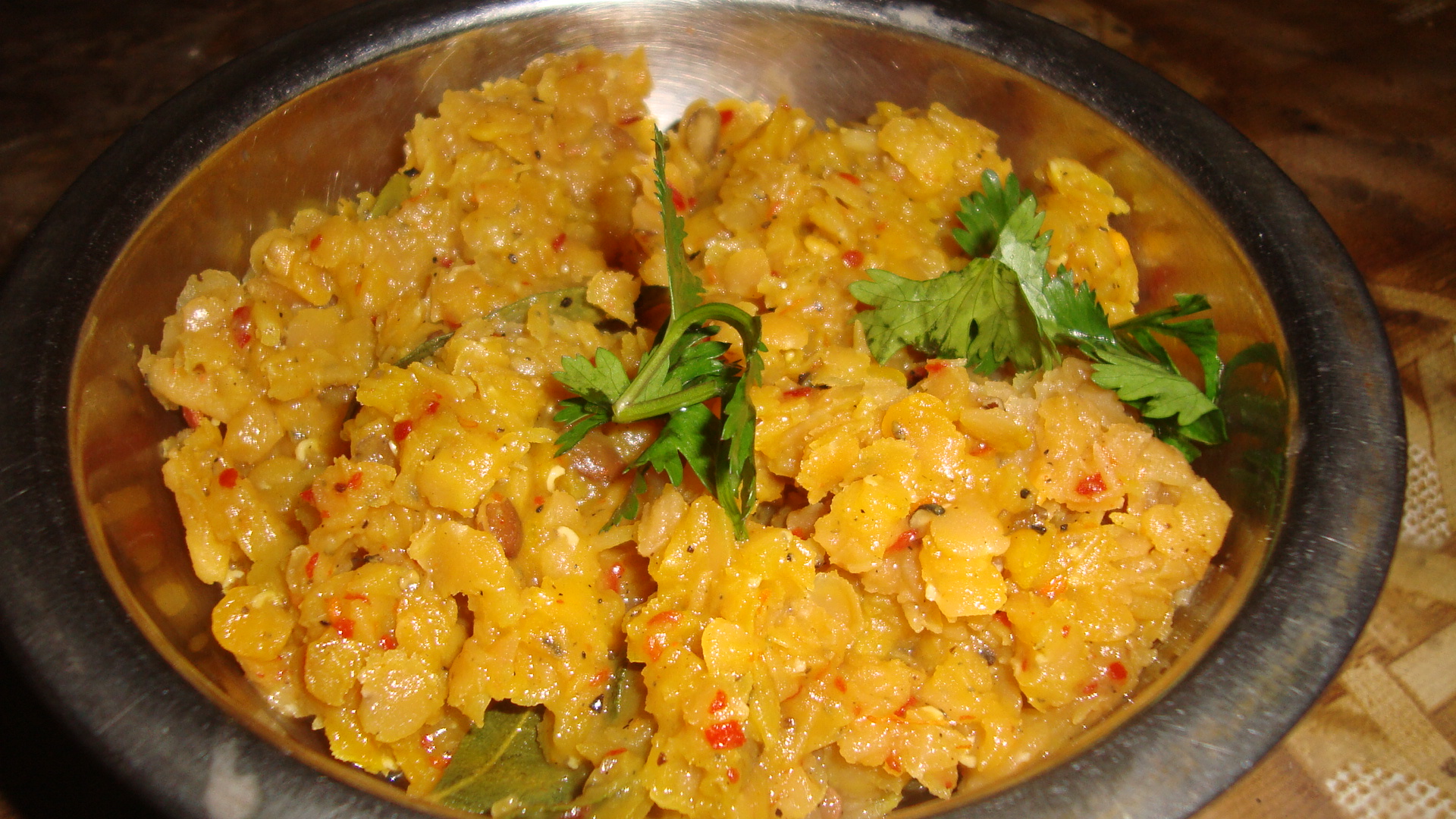
Dal curry

This is my mother’s recipe for cooking Mysore dal, a curry that is a regular at home.

Mysore dal curry

Time taken: 15 – 20 mins

Serves 4

Mysore dal curry

Ingredients

  • Mysore dal – 1 cup
  • Green chilli – 1
  • Onion – ¼
  • Curry leaves – 1 sprig
  • Rampe leaf/ pandan
  • Non-fat milk (for lacto vegetarians and better for those having cholesterol issues) or Coconut milk (for vegans) – ½ cup
  • Turmeric – ¼ tsp
  • Crushed chilli – 1 tsp
  • Garlic – 1, crushed
  • Pepper – ½ tsp
  • Salt, to taste

Method:

  1. Wash and clean the dal.
  2. Cook the cleaned dal in 1 ½ cups of water, together with the chopped green chilli, onion, curry leaves and rampe.
  3. Once the dal is cooked and the water dries up, add ½ cup of non-fat milk or coconut milk along with the crushed garlic, chilli flakes, turmeric powder, pepper powder and salt to taste.
  4. Let the dal cook for another few minutes till the ingredients combine.
  5. Remove from heat and serve with rice.

Recipe source: Raji Thillainathan.