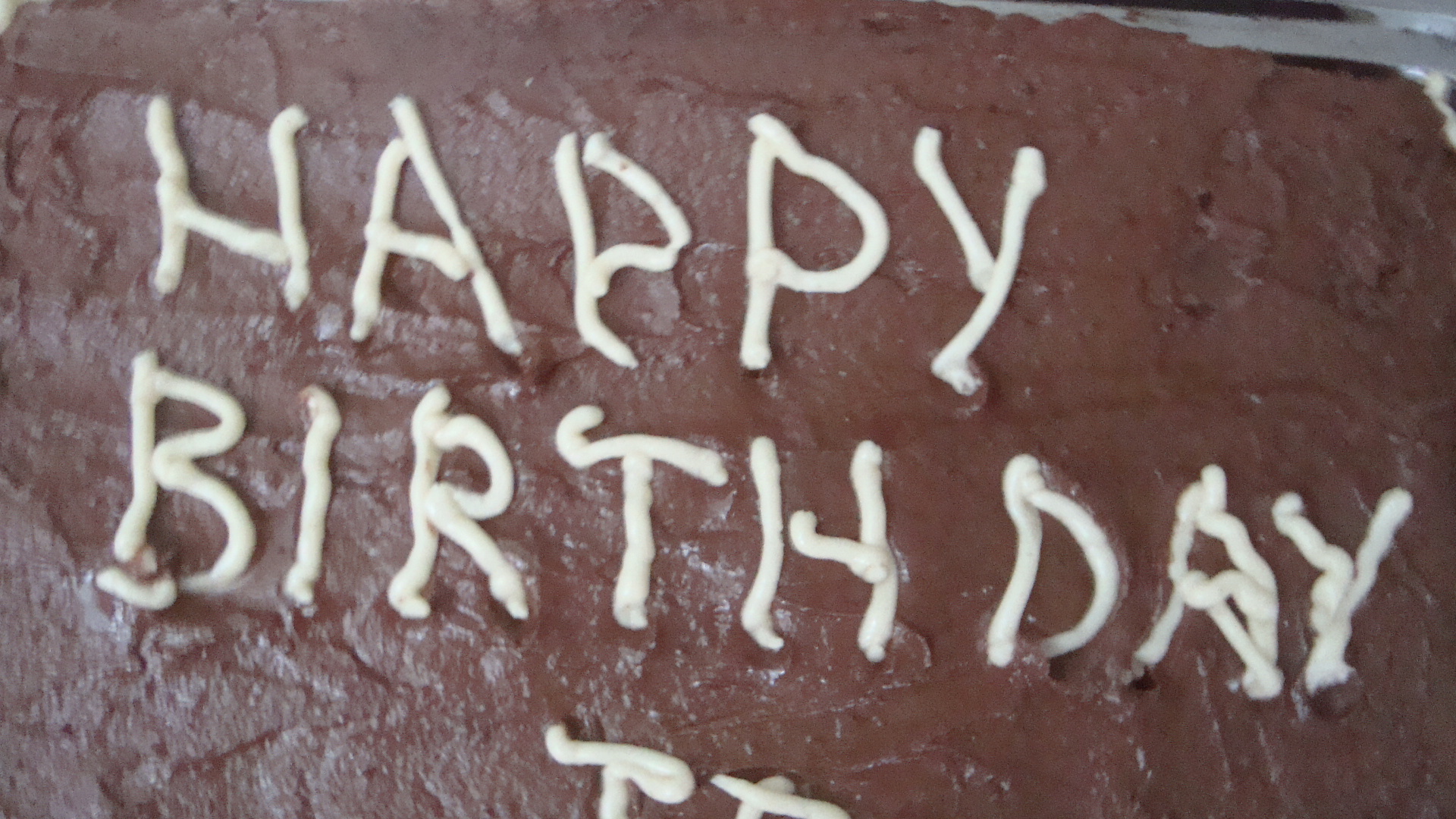
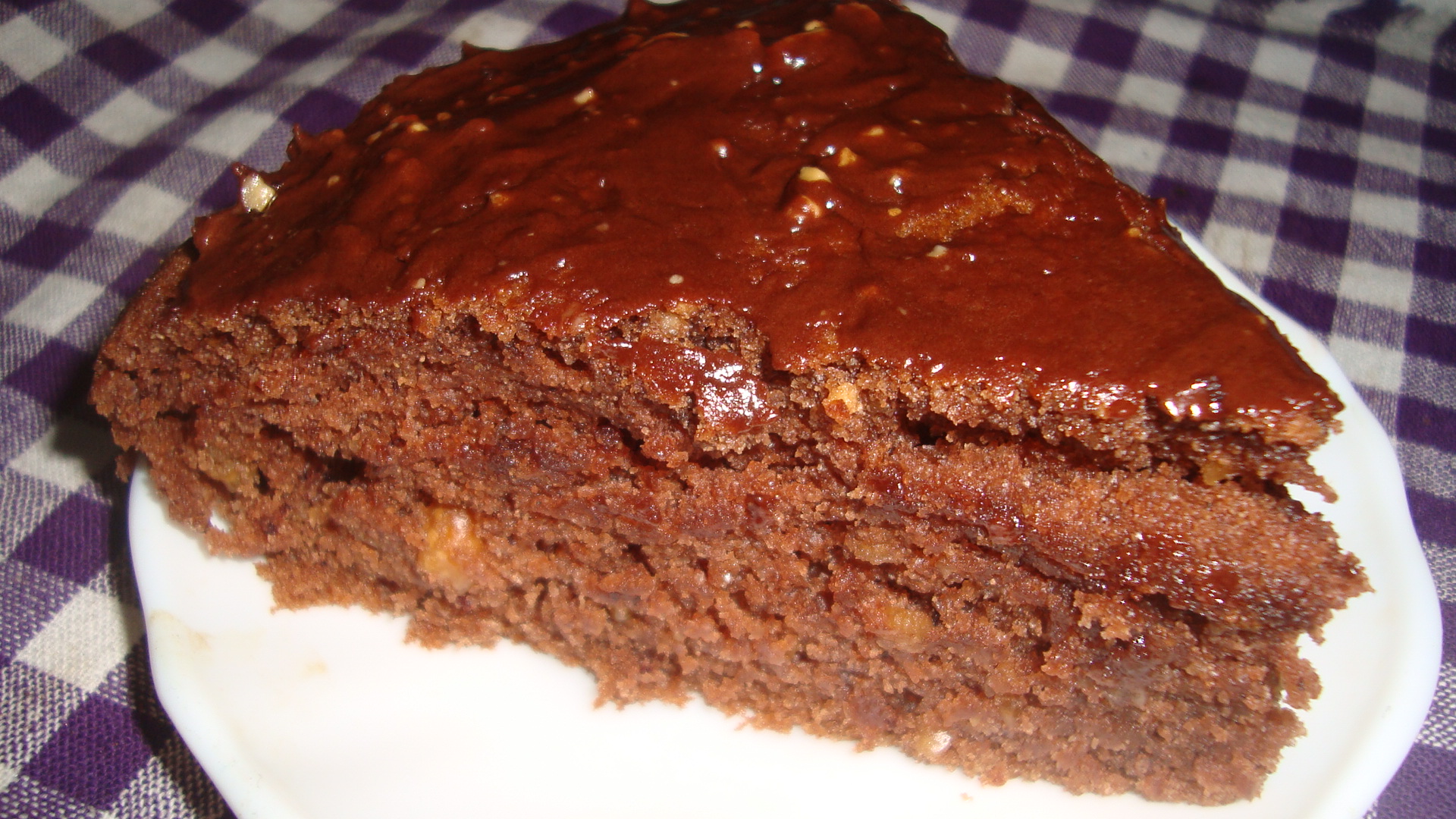
Egg-less chocolate cake

Chocolate cake

Time taken: 1 – 1 ¼ hrs

Serves 20 to 25

Chocolate cakeIngredients:

  • Condensed milk – 1 cup
  • Water – ½ cup
  • Vegetable oil margarine – 1 cup (250g) + ¼ cup (for icing)
  • Sugar – 1 cup +  ½ cup (for icing)
  • Multi-purpose flour – 2 cups
  • Semolina – ½ cup
  • Cocoa powder – ¼ cup + 2 tbsp (for icing)
  • Vanilla essence – ½ tsp + few drops (for icing)
  • Baking powder – 2 tsp
  • Baking soda – ¼ tsp

Method:

  1. Whisk the sugar and margarine in a bowl until creamy. Then, add the milk and continue whisking.
  2. Add the water and whisk till it is smooth and creamy.
  3. Sieve together the flour, semolina and cocoa powder. Add the baking powder and soda and mix.
  4. Gradually add the dry ingredients to the bowl of wet ingredients, mixing until there is a smooth batter.
  5. Transfer to cake tray and bake for about 45 mins – 1 hr at 170⁰C/340⁰F. Make sure you do not forget to check in around the 40 min mark (as my mother did this time) and take the cake out, without letting it over-bake else it will turn out too dry.
  6. Let the chocolate cake cool while preparing the chocolate icing.
  7. Mix 2 tbsp of cocoa powder with ½ cup of icing sugar in a bowl. The sugar can be reduced based on your tolerance level for sweets.
  8. Add the margarine little by little and whisk till the icing is creamy and smooth. Add the vanilla essence and mix well.
  9. Spread the chocolate icing evenly over the chocolate cake.

Recipe source: Raji Thillainathan.

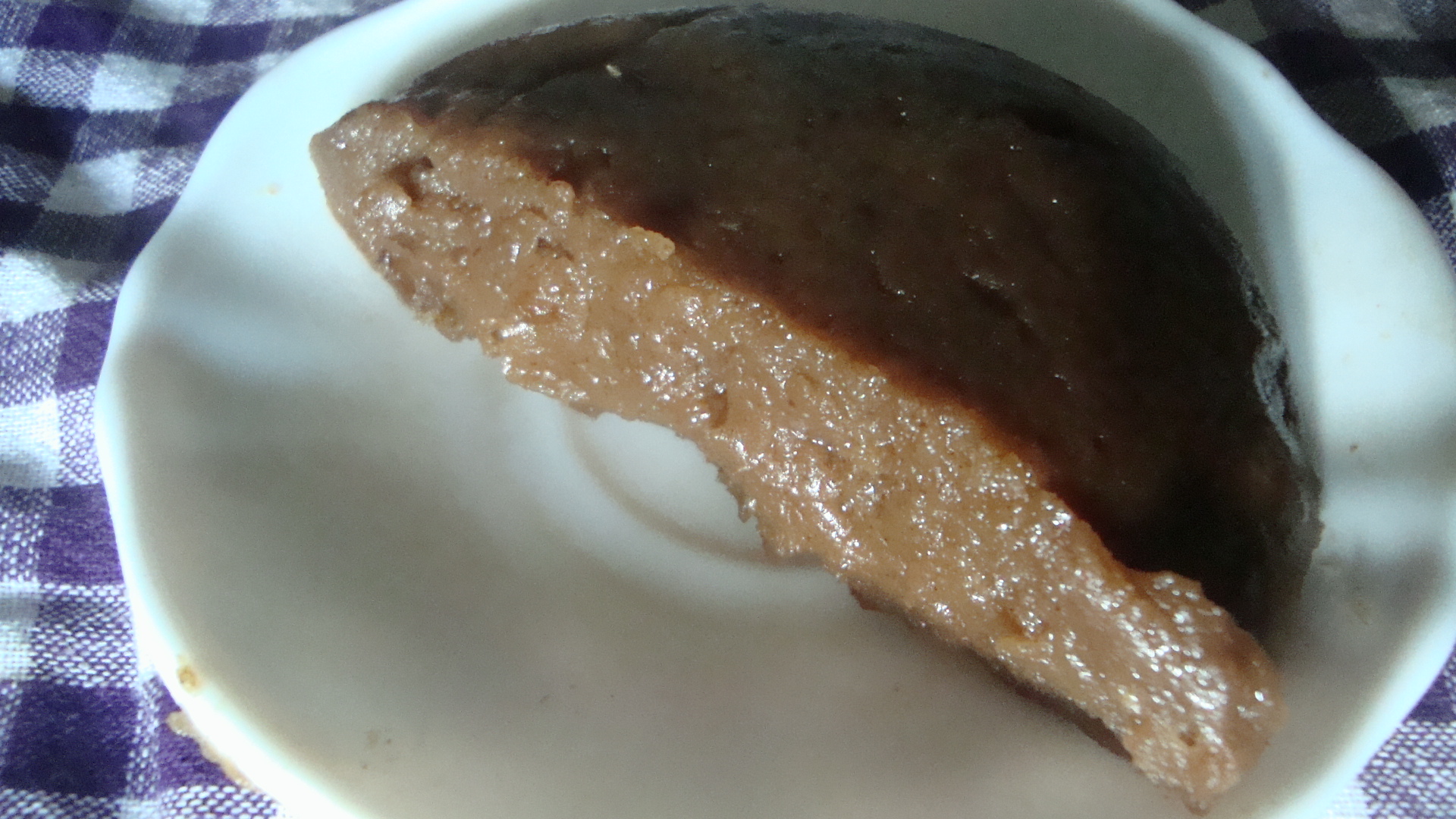
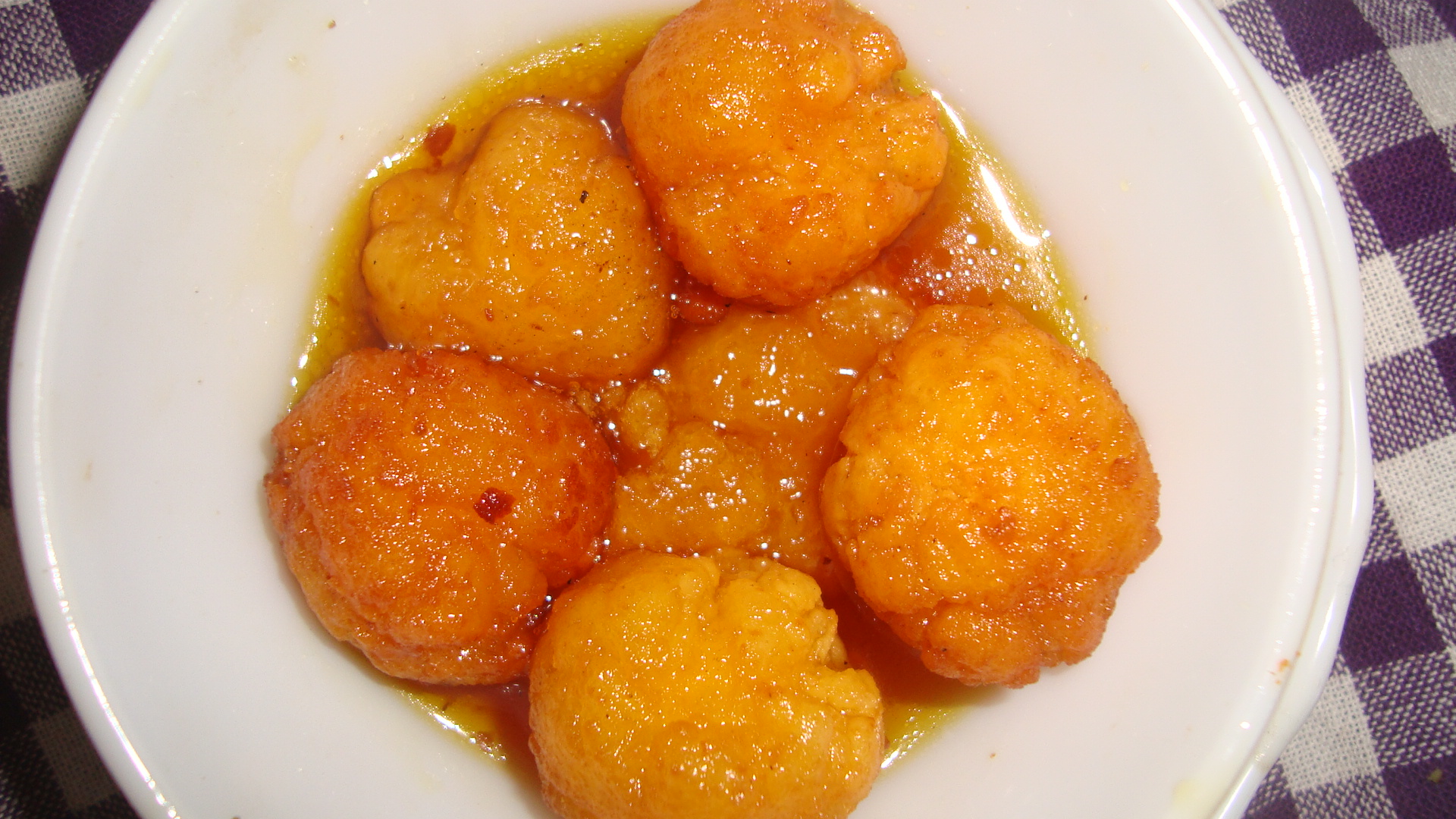
Dodol

To celebrate Eid, my mother made some ‘dodol’. This sweet has its roots in the Malay cuisine of Sri Lanka but has since become popular across the entire country.

The second best ‘dodol’ that I have tasted is the ‘dodol’ sold in a little family-run shop on a tiny road across the Peacock beach hotel in Hambantota district. The best was the exquisite dodol wrapped in woven reed that a relative had sent us. He unfortunately omitted to get the contact details of the entrepreneur he had randomly come across and purchased it from. So, I only have the remembrance of the taste by which I have compared all other ‘dodol’ since. I have also hoped that that entrepreneur would have been successful enough in his business and his products would be available at some popular outlet other than his previous door-to-door sales.

At my house, while everyone likes dodol, it is time-consuming to make. My mother doesn’t like to take much time over cooking so she created her instant ‘dodol’ version, which I would say is the third best in my dodol tasting experience.

So, today, I will share my mother’s recipe for her instant dodol as well as my grandmother’s recipe for regular dodol.

(a) Dodol (regular) – grandmother’s recipe

Time taken: 2 hours

Makes 20 pieces

Ingredients:

  • Coconut – 2 cup, freshly scraped
  • Roasted rice flour – 2 cup
  • Jaggery – 2 cup, grated
  • Crushed cardamom – 1 tbsp
  • Cashewnuts – ¼ cup, chopped

Method:

  1. Blend freshly scraped coconut with 10 cups of water and make coconut milk.
  2. Mix all ingredients in a large pot and keep stirring continuously over a medium heat for around 1 hour. Do not allow mixture to burn.
  3. Once it starts thickening and the oil starts separating. Separate the dodol from the oil and transfer to a tray and allow to cool for at least ½ hour. The separated coconut oil can be reused for cooking.
  4. Store in an air-tight container and slice and serve, when required. The regular ‘dodol’ can be stored for at least 2 weeks.

(b) Instant dodol – my mother’s recipe:

Time taken: 25 mins

Serves 4
DodolIngredients:

  • Coconut – ½ cup, freshly scraped
  • Roasted rice flour – ¼ cup
  • Jaggery – ¼ cup, grated
  • Cashew nuts – 1 tbsp, chopped
  • Cardamom – 3 or 4, crushed
  • Vegetable oil margarine – 1 tbsp

Method:

  1. Blend ½ cup of freshly scraped coconut with 1 cup of water to make coconut milk.
  2. Mix all ingredients in a pan and stir continuously over medium heat for about 10 mins.
  3. As the mixture thickens, add 1 tbsp of vegetable oil margarine and mix well. In the instant version, the stirring does not go on till the oil separates, hence the margarine is added before removing from stove.
  4. Transfer to a plate and allow the instant ‘dodol’ to cool for at least 15 mins before slicing and serving. The instant ‘dodol’ has to be served within 12 hours or so and cannot be kept for more time.

Recipe source: Raji Thillainathan.

Passion fruit cake

Today is Vijayathasami. The tenth day after the nine days of the Navarathri festival. It is considered auspicious to start new learning on this morning. Children who will be starting school in the coming year will have their ‘eadu thodakkal’ ceremony. The ‘eadu thodakkal’ is a ceremony where toddlers trace their first alphabets on a tray of grain and is usually held at the temple with the priest conducting the ceremony. One of my friend’s twins will be starting their ‘eadu thodakkal’ today and I feel sorry for her as they are two energetic boys who can’t keep still for a minute and I hope that she manages to keep them engaged at least for the alphabet tracing part.

For Vijayathasami, we have never really done anything at home other than visit the temple. At the start of the Navarathri, both at the temple and in the home, people plant the seeds of nine varieties of grain (nava thaniam) such as moong dal, chickpeas, urad dhal, kurakkan etc. and on the tenth day, the sprouts are collected and placed before the shrine in the home. The sprouts are supposed to symbolize growth, luck and prosperity. As a child, I used to keep a few of the sprouts in the school book of the subject that I wanted better grades on.

Today’s recipe for Vijayathasami is a non-traditional one – the recipe for my mother’s passion fruit cake as we enjoy baking at home.

DSC00110Passion fruit cake

Time taken: 55 mins

Serves 6 to 8

Passion fruit cakeIngredients

  • Low fat margarine (Sunflower or Canola) – ¾ cup + 2 tbsp
  • White sugar – ¾ cup
  • Passion fruit – ½ cup
  • Yoghurt – ½ cup
  • Water – ½ cup
  • Wheat flour – 1 cup
  • Semolina – ½ cup
  • Baking soda – ½ tsp
  • Baking powder – 1 tsp
  • Rose essence – few drops
  • Icing sugar – 6 tbsp
  • Lemon juice – 1 tsp
  • Vanilla essence – few drops

Method:

  1. Whisk the sugar and margarine till creamy.
  2. Add ½ cup of water, passion fruit, yoghurt to the creamed sugar and margarine and blend for about 2 mins.
  3. Add ½ tsp baking soda and 1 tsp baking powder.
  4. Stir in the flour and semolina gradually.
  5. Add a few drops of rose essence.
  6. Transfer to baking tray and bake for 45 mins at 170⁰C/340⁰F.
  7. Remove from oven and let the cake cool while you prepare the icing.
  8. Whisk 2 tbsp margarine, 6 tbsp icing sugar, 1 tsp lemon juice until creamy. Add a few drops of vanilla essence.
  9. Spread the icing over the cake evenly.
  10. Serve immediately or chilled.

Recipe source: Raji Thillainathan.

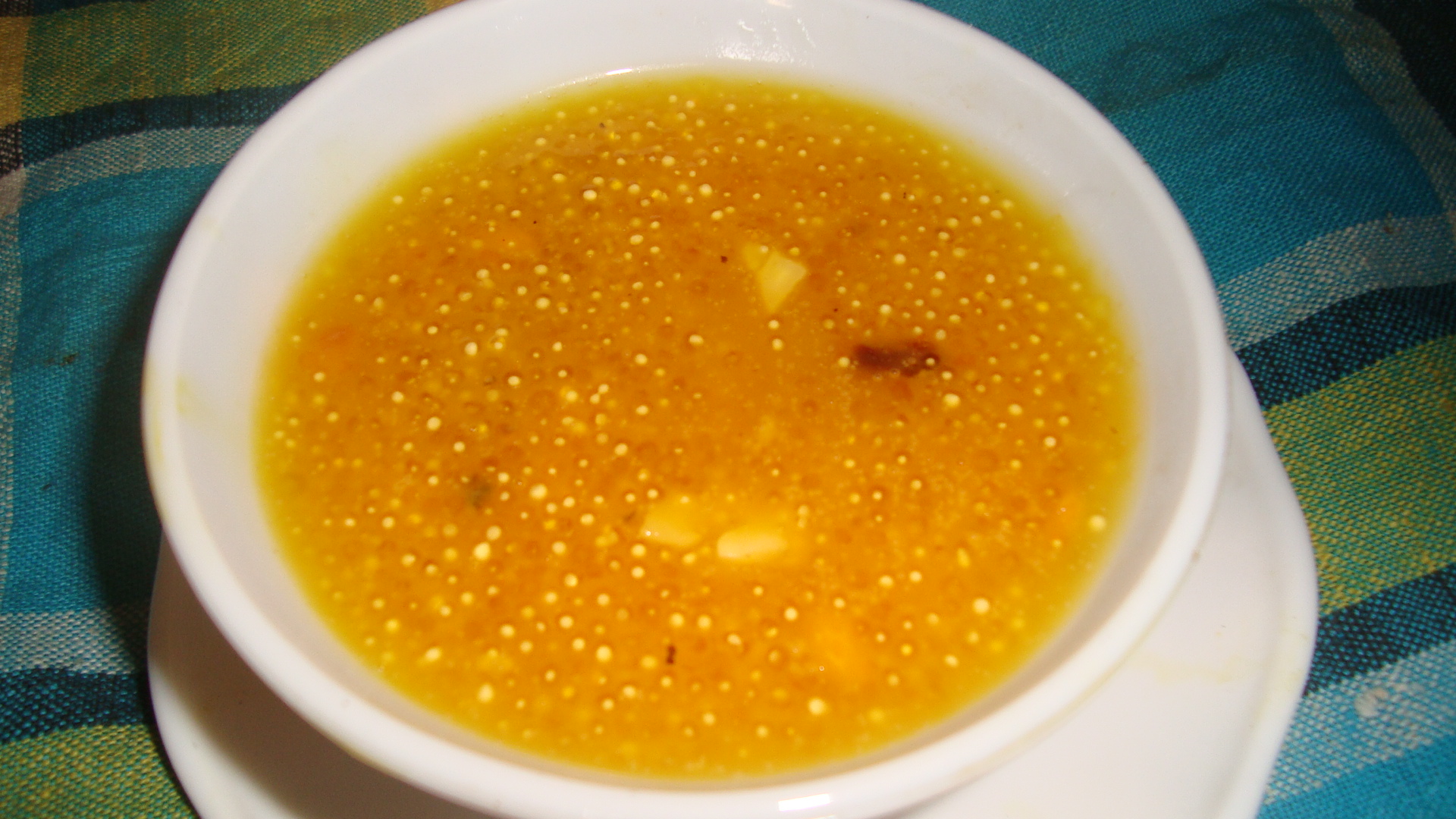
Coconut paayaasam

Today’s Navarathri recipe is my grandmother’s recipe for coconut paayaasam, as remembered and replicated by my mother. Many people generally use dairy milk for the ‘paal paayasam’ but my grandmother preferred using coconut milk for sago pudding and now, that’s the way it is made in our family.

Paayaasam

Time taken: 15 mins

Serves 2

PaayasamIngredients:

  • Pearl sago/ Savvarasi – ¼ cup
  • Cardamom – 2, crushed
  • Chickpea – 1 tbsp, fried and split
  • Cashewnuts – 2 or 3, chopped
  • Coconut milk – ½ cup
  • Sugar – 1 tbsp or adjust per taste
  • Raisins – 1 tbsp
  • Kesari powder – pinch

Method:

  1. Heat 1 cup of water in a pan, adding 2 crushed cardamoms, for about 5 mins.
  2. Add the pearl sago and let the boiling continue for a couple of minutes.
  3. When the sago is half-cooked, add the split, fried chickpea and cashewnuts and continue cooking for another couple of minutes.
  4. Once the sago is well cooked and the mixture thickens, add the coconut milk and the kesari powder.
  5. In a few minutes, add the sugar and mix well and let the ‘paayaasam’ simmer for another couple of minutes.
  6. Add the raisins just before removing the pan from the stove.
  7. Stir and serve either hot or chilled.

Recipe source: Raji Thillainathan.

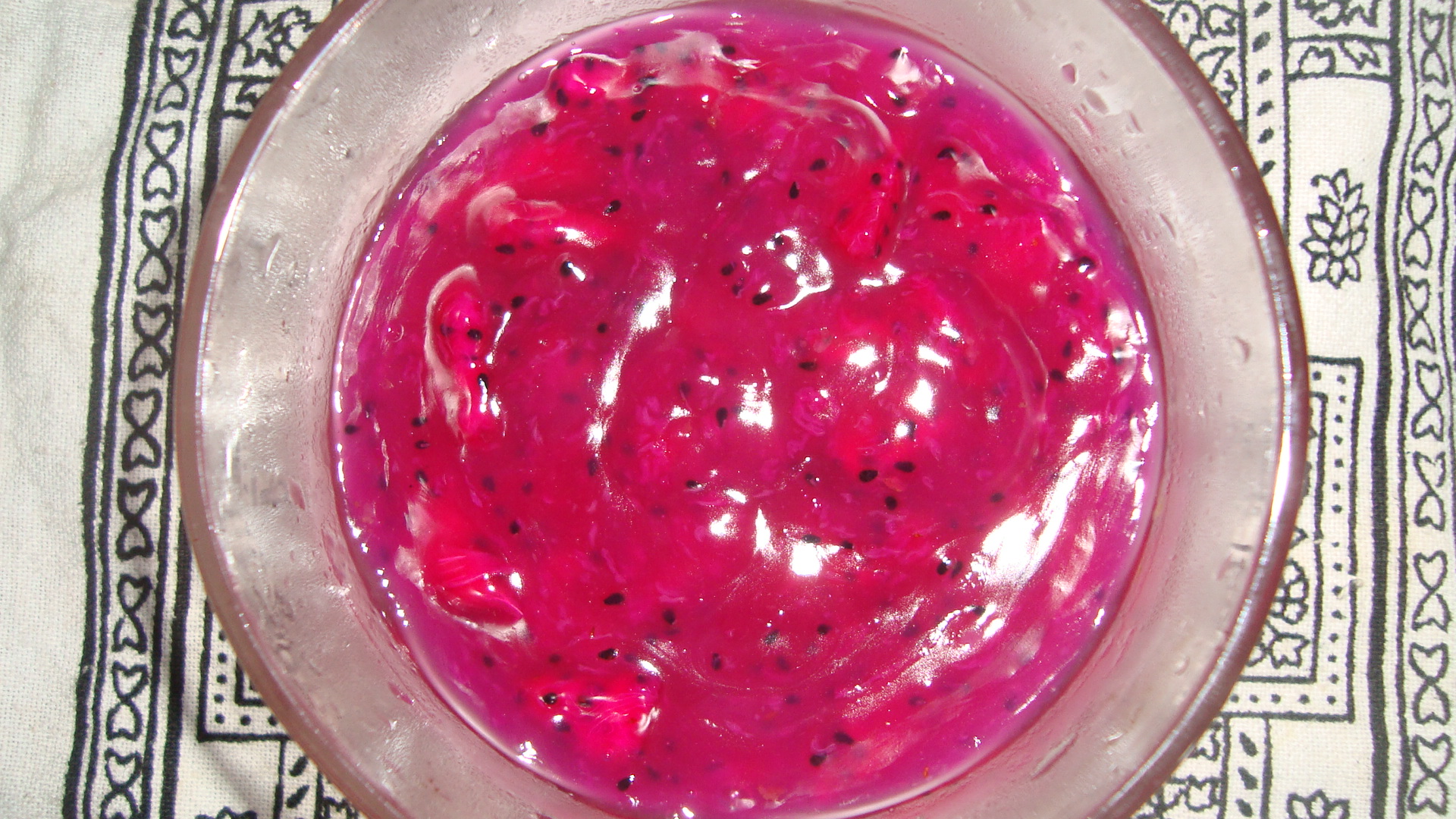
Dragon fruit pudding

With dragon fruits in season and because my mother and I like the fruit, we both decided to make a dessert using the fruit. So, here’s the recipe for the dragon fruit pudding that my mother made.

I had attempted to make a vegan red velvet cake using dragon fruit pulp as both an egg substitute as well as a source of natural red colouring but the cocoa powder in the batter simply overruled the rich red colour of the fruit. I will try the recipe once more with some adjustments and see if it works out.

My next post on the blog will be in October as I will be travelling and will not have access to my recipe base.

Dragon fruit pudding

Time taken: 5 mins

Serves 2

Dragon fruit pudding

Ingredients:

  • Dragon fruit – ½ cup, chopped
  • Corn starch – 2 tbsp
  • Water – ½ cup
  • Sugar – 1 tbsp + 1 tsp
  • Rose essence – few drops
  • Lime juice – 1 tsp

Method:

  1. Put the chopped dragon fruit and water in a sauce pan. Mash it coarsely with a spoon.
  2. Add a few drops of rose essence to the pan and mix well.
  3. Add the corn starch to the pan and stir.
  4. Cook on low heat for about 3 minutes, stirring continuously. The mixture will start to thicken.
  5. Remove from heat. Transfer the pudding to a bowl and let it cool.
  6. Mix 1 tsp lime juice and 1 tsp sugar and drizzle on top.
  7. The pudding can be served warm or chilled.

Recipe source: Raji Thillainathan.

Peanut Chocolate Cake

I generally like my mother’s chocolate cakes a lot. Recently, she tried out a nutty vegan version of her chocolate cake which came out really delicious. Here is my mother’s recipe for the yummy cake.

Peanut Chocolate Cake

Time taken: 50 mins

Serves 8 to 10

Peanut chocolate cake

Ingredients:

  • Vegetable oil margarine – ¾ cup + 1 tbsp (for frosting)
  • Sugar – 1 cup
  • Banana – ½ , as an egg substitute
  • Wheat flour – 1 ½ cup
  • Soya milk – 1 cup
  • Peanut – ½ cup, coarsely ground + 2 tbsp (for frosting)
  • Vanilla – 2 tsp
  • Cocoa powder – 2 tbsp + 1 tsp (for frosting)
  • Baking powder – 1 tsp
  • Baking soda – ½ tsp
  • Icing sugar – 2 tbsp, for frosting

Method:

  1. Sift the dry ingredients – the wheat flour together with the cocoa powder, baking powder and baking soda – and keep aside.
  2. Mash the banana in a bowl. Add the margarine and sugar to the bowl and whisk them together.
  3. Gradually add the soya milk and continue whisking.
  4. Stir in the coarsely ground peanuts and vanilla essence.
  5. Slowly fold in the dry ingredients.
  6. Pour the cake batter into a greased tray and bake at 190⁰C/374⁰F for 40 mins.
  7. Whisk 1 tbsp margarine together with 1 tsp cocoa powder, 2 tbsp icing sugar and 2 tsp ground nuts to make the frosting.
  8. Spread evenly on surface of the peanut chocolate cake, after the cake has sufficiently cooled.

Recipe source: Raji Thillainathan.

Gulab Jamun

My favourite accompanying dessert for a puri and kadalai curry meal is gulab jamun. While I think this sweet originated from Punjab, it is very popular around Asia. Having a sweet tooth, I simply love this dessert though we hardly make it in our house anymore. Today, I will share my mother’s version of gulab jamun.

Gulab Jamun

Time taken: 30 mins

Makes 12 or 15 gulab jamun

Gulab jamun

Ingredients:

  • Milk powder – 6 tbsp
  • Wheat flour – 2 tbsp
  • Baking powder – ¾ tsp
  • Oil, for deep-frying
  • Water – ¾ cup
  • Sugar – ¼ cup
  • Kesari powder – pinch
  • Rose essence – few drops

Method:

  1. Mix the milk powder, wheat flour, baking powder and stir in a little water to knead the dough.
  2. Make small balls from the dough and place them on a plate. Let them rest for about 5 mins.
  3. Heat some oil in a pan on low heat.
  4. Once the oil is ready for deep-frying, drop a few of the balls at a time and deep-fry them. Ensure that they turn golden brown on all sides by turning them around.
  5. Remove from pan and place them on a plate with grease absorbing paper.
  6. In a sauce pan, boil ¾ cup of water with ¼ cup of sugar, a pinch of kesari powder and a few drops of rose essence.
  7. Once the syrup comes together, remove sauce pan from stove and transfer syrup to a bowl.
  8. Transfer the gulab jamun from the plate to the syrup bowl.
  9. Cover the bowl and let the gulab jamun absorb the syrup for some time.
  10. Serve warm

Recipe source: Raji Thillainathan.

Aluwa

Today’s guest blogger is Nilusha Doranegama, a clinical traumatologist. The recipe she is sharing with us today is one of her favourite recipes of her grandmother’s. Nilusha mentioned a time in her childhood when she was so fond of aluwa that she had advocated for having aluwa instead of cake for birthdays.

Aluwa

Time taken: 30 mins

Makes 25 – 30 pieces

Ingredients:

  • 10 cups of rice flour (from 4-5 cups of soaked white raw rice)
  • 2 cups of sugar
  • 3 cups of water
  • 3-4 cardamoms
  • 1 cup roasted cashew nuts

Method:

  1. Roast the rice flour under medium heat.
  2. Boil the sugar and water in a non-stick pan.
  3. While continuously stirring, add ground cardamom seeds and chopped cashew nuts.
  4. Allow the syrup to cool a little and add the roasted flour and mix in well.
  5. Quickly spread the aluwa on a tray lined with waxed paper and cut it in to pieces immediately.
  6. Coat the aluwa with remaining flour.
  7. Makes 25-30 aluwa pieces.

Recipe source: Nilusha Dishni Doranegama.

Kesari

When I asked my mother to teach me a simple and quick to prepare Sri Lankan dish for an informal international pot-luck with friends a year ago, she taught me to make Kesari. I took a few photos of the outcome of that lesson. So, today, I thought I would share the recipe for the first Sri Lankan (and Indian) recipe that I officially learnt along with the photos from that day.

Kesari

Kesari is delicious both as a dessert and a special snack and takes very little time to prepare.

Kesari

Cooking time: 10 – 15 mins

Makes 10 pieces

Kesari slices

Ingredients:

  • Semolina – ½ cup, lightly roasted
  • Water – 1 cup
  • Sugar – ¼ cup
  • Kesari powder – pinch
  • Rose essence – drop or Vanilla essence – 1 tsp and pinch of crushed cardamom
  • Vegetable margarine – 1 ½ tbsp

Method:

  1. In a saucepan, boil a cup of water and the sugar.
  2. When the water starts boiling, add the kesari powder and either the vanilla essence and pinch of crushed cardamom or drop of rose essence.
  3. Stir continuously, while adding the semolina.
  4. When the mixture starts to thicken, add the margarine while continuing to stir.
  5. Remove the pan from the stove and transfer the kesari to a plate.
  6. Level the kesari on the plate and allow it to cool for at least 10 mins before slicing and serving.

Recipe source: Raji Thillainathan.

Butter cake

The last egg based recipe for today is my mother’s recipe for her delicious butter cake. My mother has used vegetable oil margarine instead of butter for a while now. Ingredients can be scaled down according to requirement. This was a large cake and I only managed to get a photo of the last two pieces before they too vanished.

Butter/ Margarine cake

Time taken: 40 – 45 mins

Makes around 24 pieces

Butter cake

Ingredients:

  • Butter or vegetable oil margarine – 1 cup
  • Eggs – 4
  • Sugar – 1 cup
  • Wheat flour – 1 ½ cups
  • Baking powder – 2 tsp

For the butter cream:

  • Butter or vegetable oil margarine – ¼ cup
  • Icing sugar – ¾ cup
  • Lime juice – 1 tsp
  • Vanilla – ½ tsp

Method:

  1. Sift the wheat flour and baking powder. Keep aside.
  2. Whisk the sugar and margarine together in a bowl. Keep aside.
  3. Whisk lightly the eggs. Add the whisked eggs to the sugar and margarine bowl and continue to whisk.
  4. Gradually add the sifted wheat flour and baking powder to the wet ingredients bowl and stir them together.
  5. Pour the batter into a greased baking tray.
  6. Bake the cake for 25 to 30 minutes in a pre-heated oven at 140⁰C/284⁰F.
  7. Let the cake cool while you make the butter cream.
  8. Whisk together the butter cream ingredients – butter/ margarine, icing sugar, lime juice and vanilla – and then spread the cream evenly over the cake.

Recipe source: Raji Thillainathan.