Pongal

Happy Thai Pongal! இனிய தைப்பொங்கல் நல்வாழ்த்துகள்!

Tomorrow is Pongal for Tamils around the world. Pongal is a celebration that occurs annually on the first day of the month of ‘Thai’ (Tamil month equivalent to January) and is a harvest festival, traditionally meant to honour the sun. It is also the name of the key rice dish that is made to celebrate most Tamil festivals, but particularly its namesake festival.

I shared a simple recipe of the home-cooking version of Pongal in this post last August. Today, I also wanted to share some of the photos from one of our Pongal celebrations with the families in our apartment building a couple of years back as it is more of a community festival where people get together in the temple or courtyard, or as in this case – the car parking area. I was going to post this tomorrow on the festival day but as one of my friends has sent me a recipe of one of the snacks she makes for Pongal, I decided to post her recipe tomorrow. So, here’s the photo-story of Pongal making.
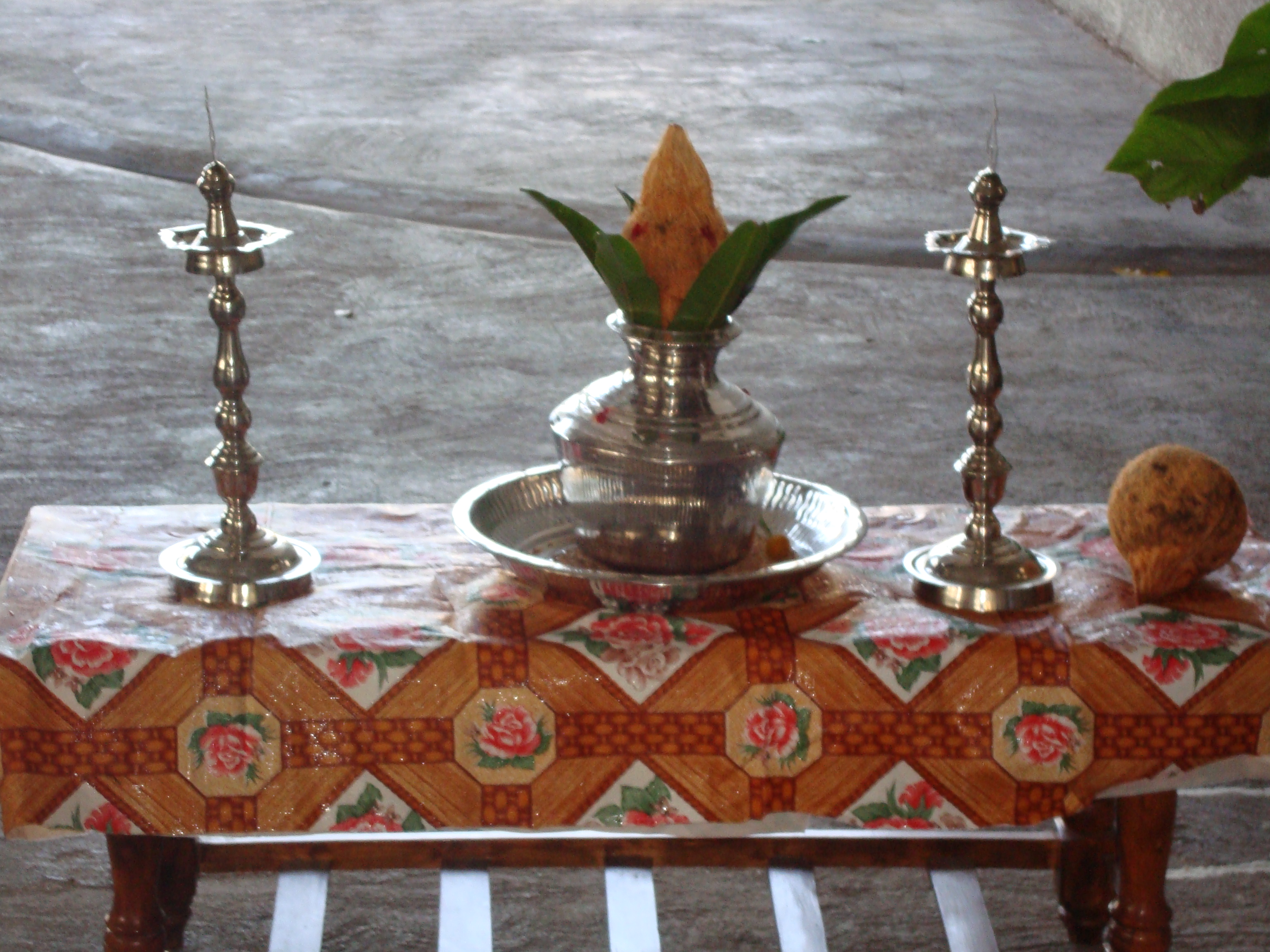
The kolam (designs made of rice flour paste) is first drawn. Within its boundaries, the traditional Tamil welcome is set up facing north, with the kuthuvillaku/lamps and the coconut with mango leaves placed in the kudam/pot
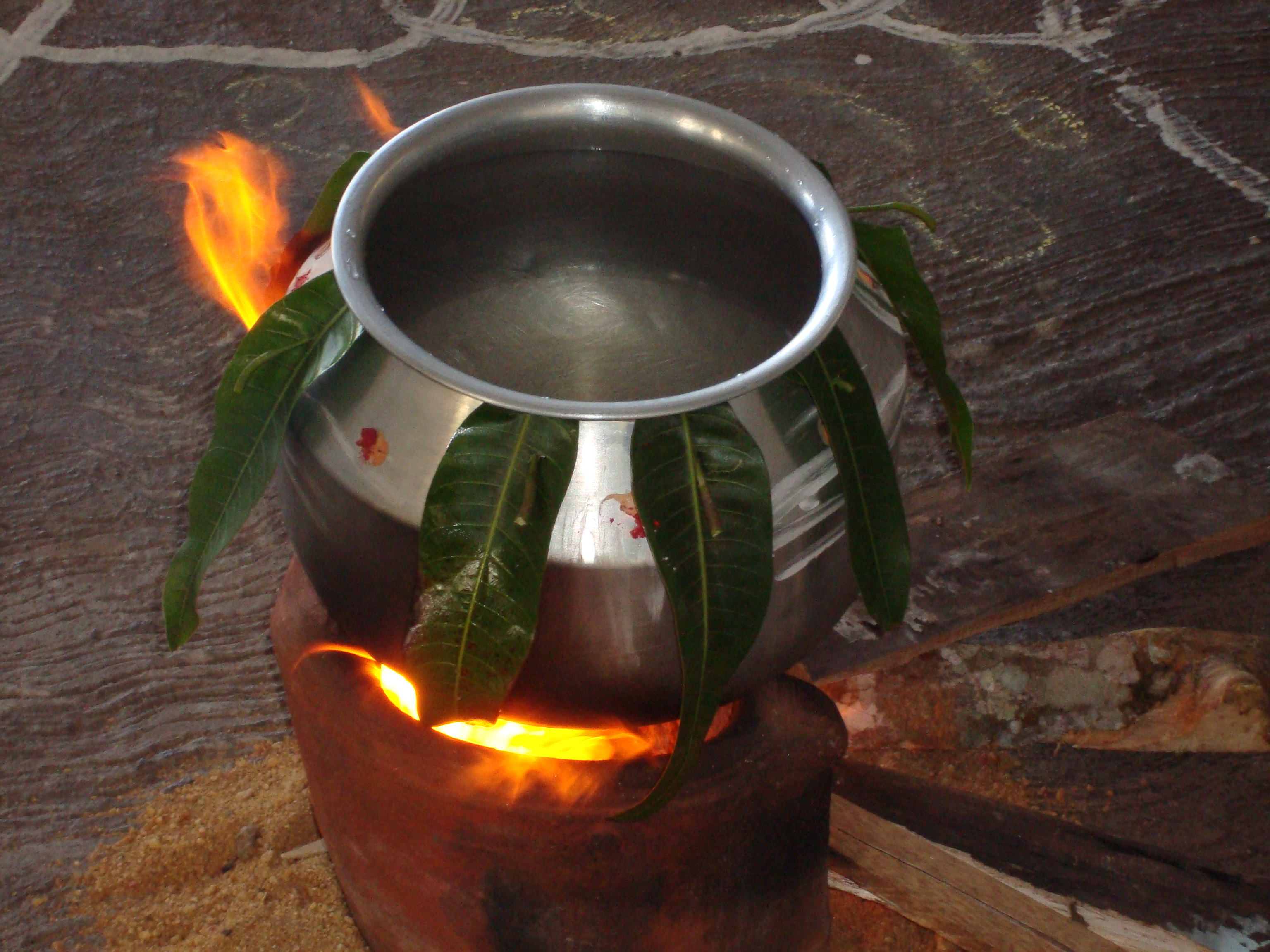
The kolam (designs made of rice flour paste) is first drawn. Within its boundaries, the traditional Tamil welcome is set up facing north, with the kuthuvillaku/lamps and the coconut with mango leaves placed in the kudam/pot

Water for Pongal

Setting up the Pongal pot facing the rising sun in the east
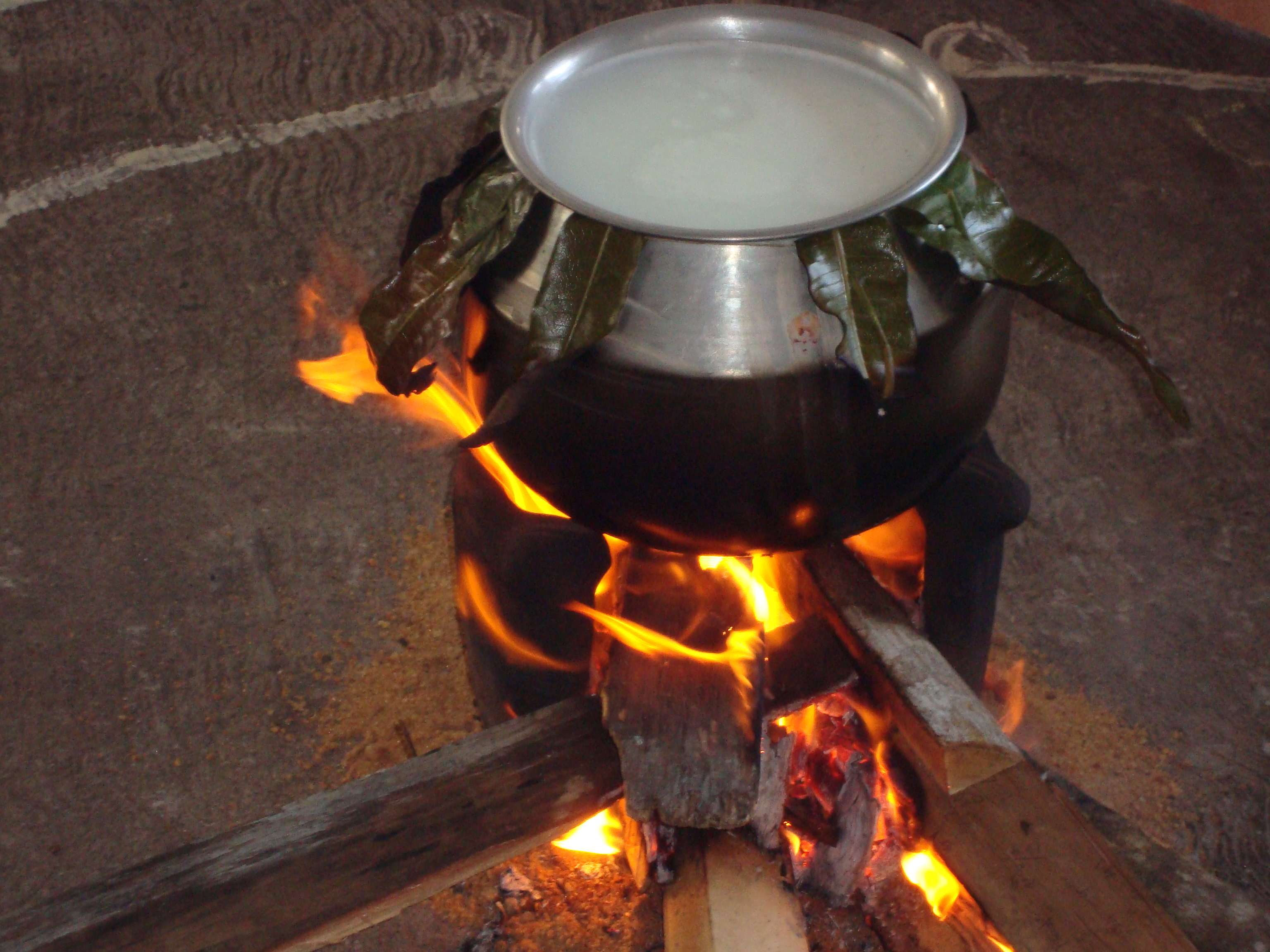
Milk boiling for pongal

Milk (usually dairy milk but at home, my mother uses coconut milk) is added to the water in the pot
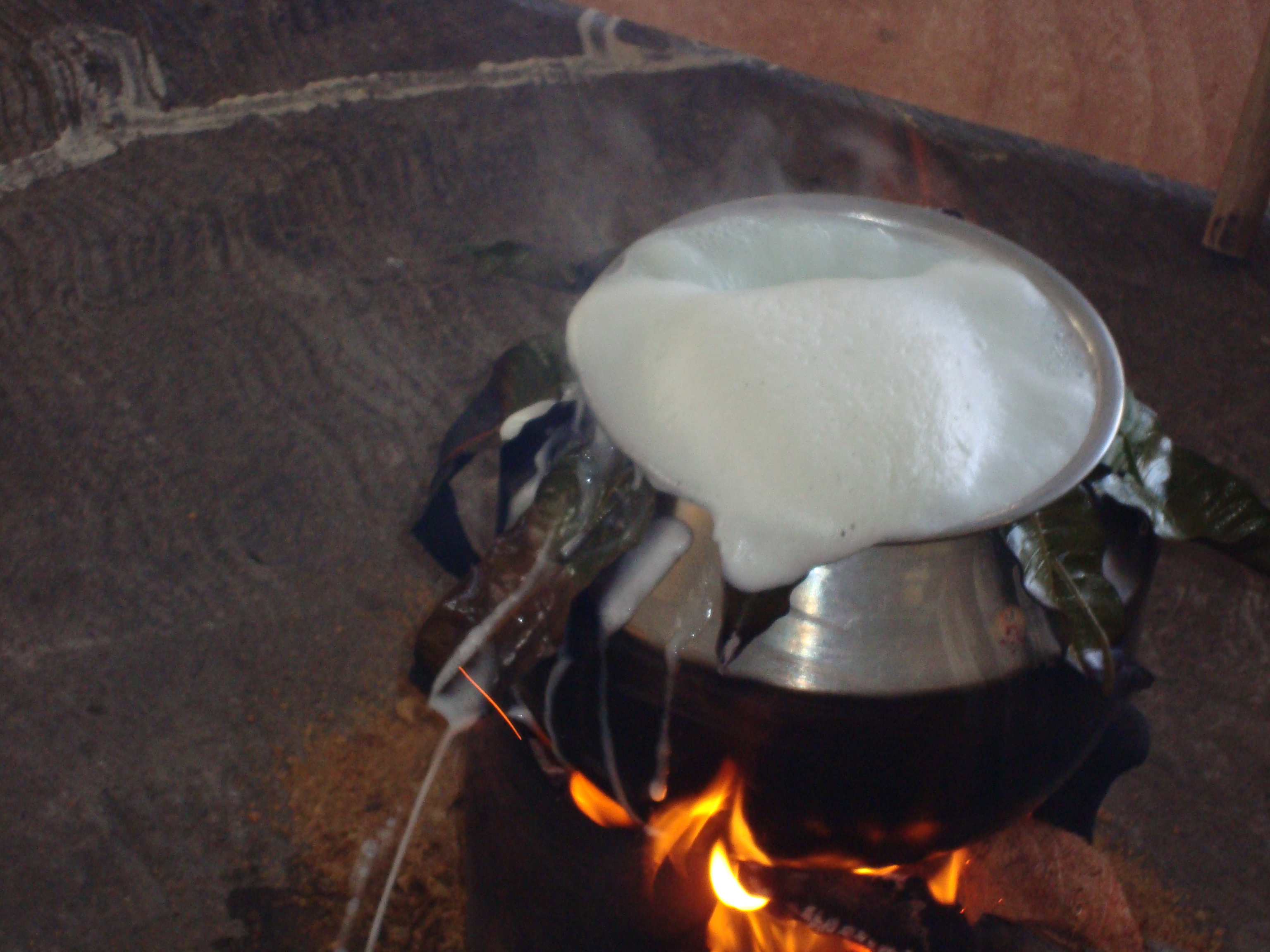
DSC02067

Everyone waits for the milk to boil over – this symbolically means prosperity for all for the coming year (‘Ponguthal’ means boiling over and is the word that festival name and dish derived its name from)
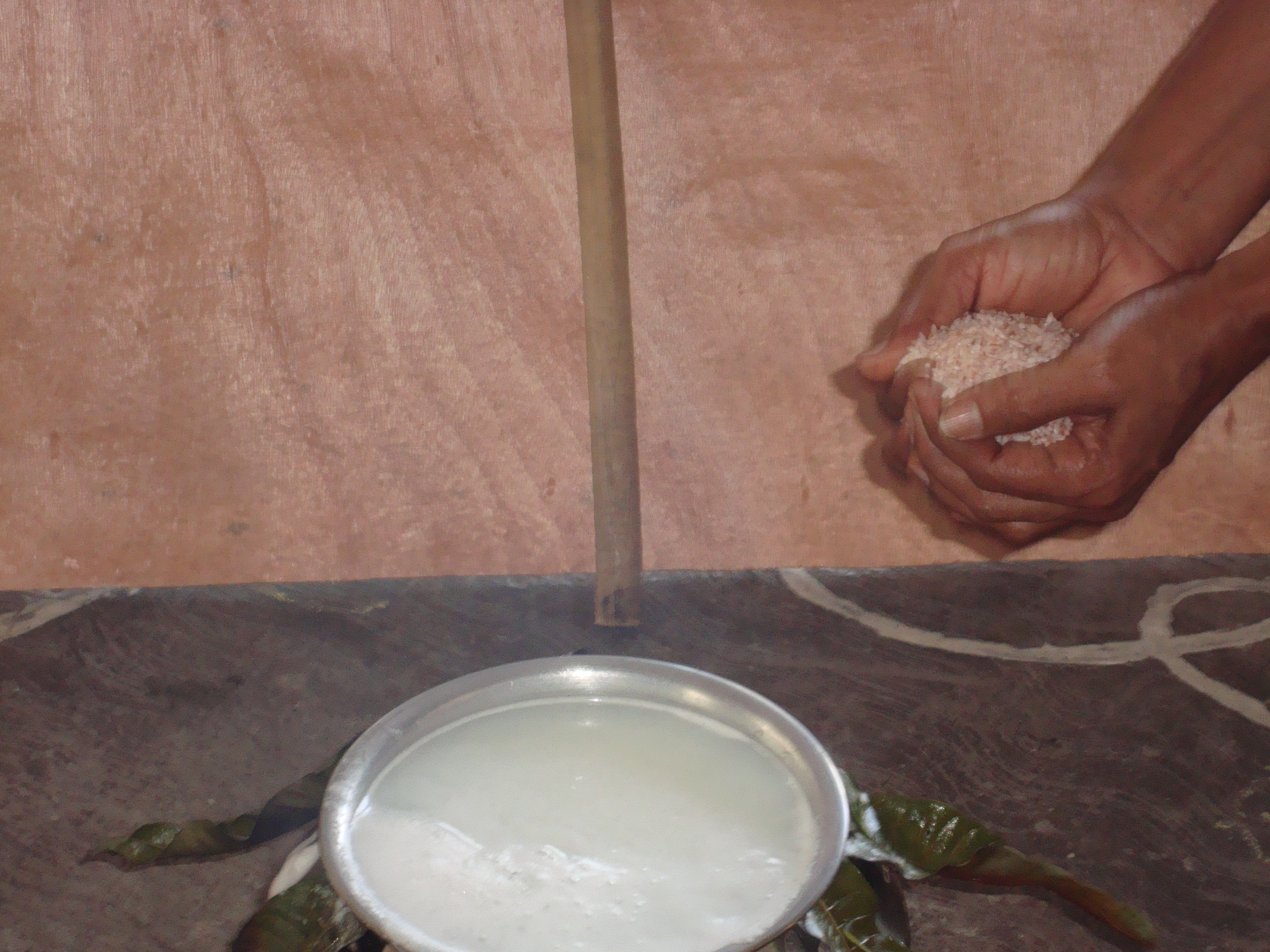
Adding rice to the pot

The rice is then added to the pot – a handful at a time by some of the elders, women and men, present.
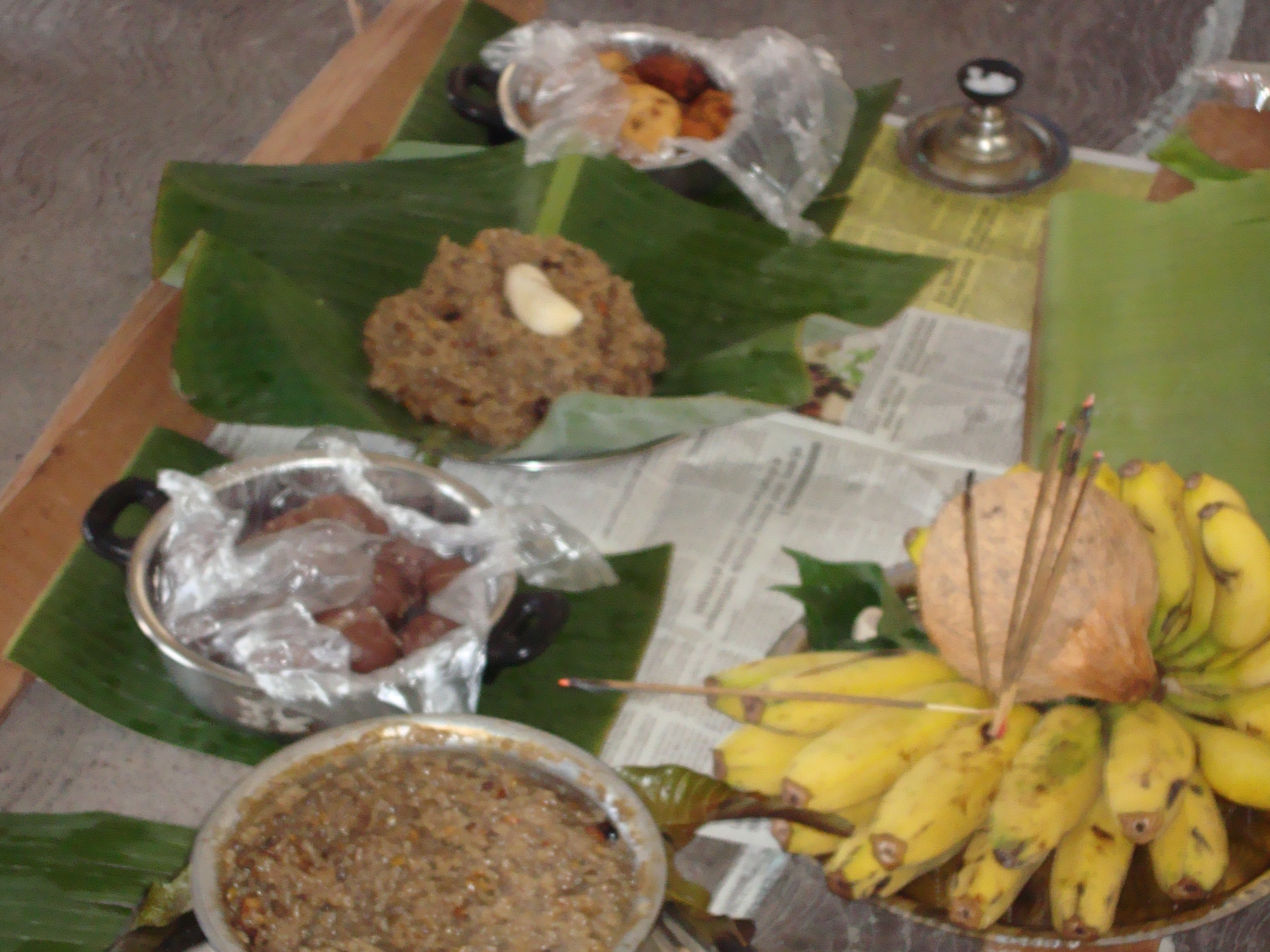
Pongal

After the rice is cooked, jaggery, nuts, raisins are added to the pot and stirred well. Finally, the pongal is ready to be blessed and served.

While Thai Pongal is an important Tamil festival for Tamils living around the world, it is celebrated differently in different countries. In Sri Lanka, Pongal is mostly celebrated as described above whereas in India, it is a three-day festival with a day dedicated for cows. A harvest day festival around this day is also celebrated across India and Nepal but called different names (Makara Sankranti, Lohri, Uttarayana, Magh Bihu etc.) in different regions and has different rituals.

Wish you a Happy Pongal!
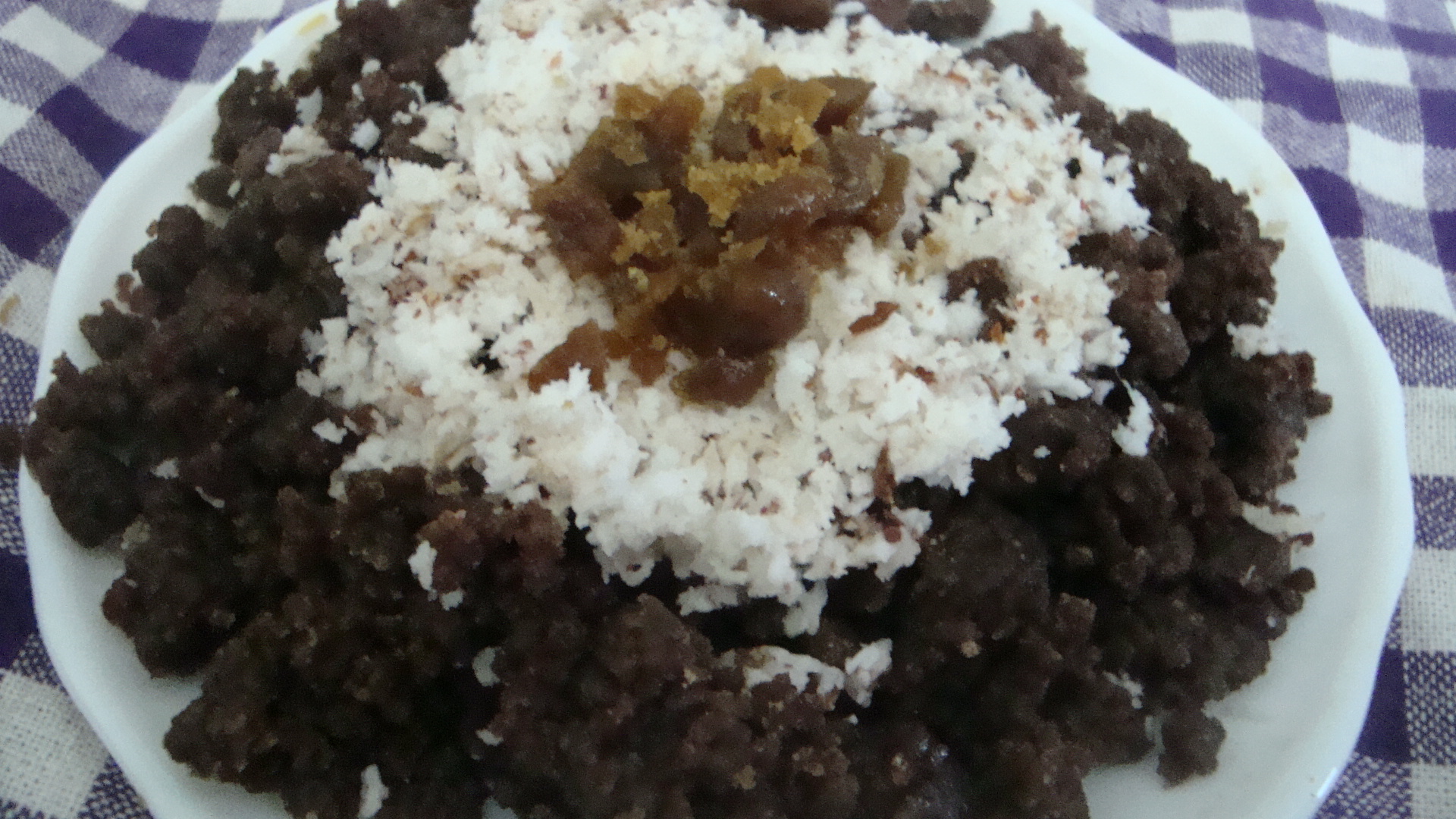
Kurakkan Pittu

Kurakkan, also known as ragi, is a type of millet that is gluten-free and diabetic friendly. At home, the most common and popular form of pittu is the rice flour pittu. Occasionally, my mother makes the atta flour pittu or the kurakkan flour pittu.

Below is the simple recipe for making kurakkan flour pittu. The rice flour pittu and atta flour pittu easily blend with any curries and is a convenient meal to prepare. Kurakkan, however, has a distinctive taste that I find does not easily merge with just any curry. As such, I prefer to eat kurakkan pittu simply sprinkled with coconut and jaggery.

Kurakkan Pittu

Time taken: 25 mins

Serves 2

Kurakkan pittuIngredients:

  • Kurakkan flour/ ragi – 1 cup
  • Coconut – ¼ cup, freshly scraped
  • Jaggery – 2 or 3 tbsp, finely chopped
  • Salt – pinch

Method:

  1. Add a pinch or two of salt to the kurakkan flour.
  2. Stir in boiled and slightly cooled water until the flour mixtures becomes coarse and grainy.
  3. Steam the kurakkan pittu for 10 mins.
  4. Mix the freshly scraped coconut and chopped jaggery into the steamed pittu and serve hot.

Recipe source: Raji Thillainathan.

Beetroot Roti

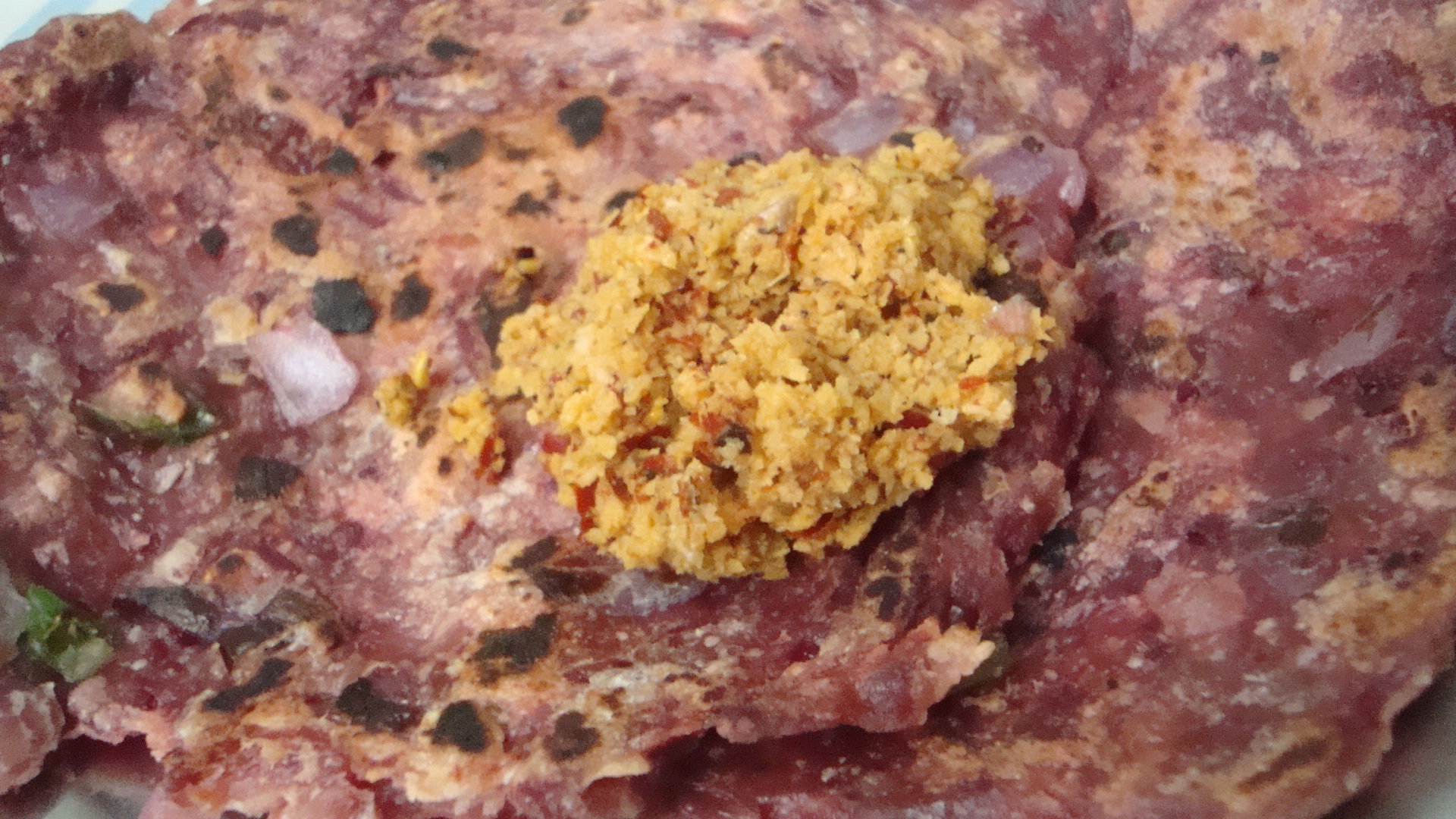
Roti with sambal has always been one of my comfort foods. Today’s recipe is one of my mother’s new versions of vegetable roti – this time, with beetroot.

Beetroot Roti

Time taken: 40 mins

Makes 4

Beetroot rottiIngredients:

  • Beetroot – ½ cup, grated
  • All-purpose flour -1  cup
  • Onion –  ½ , chopped
  • Green chillies – 1 or 2, chopped
  • Coconut – 1 tbsp, scraped
  • Salt – as required
  • Low fat oil – 2 tbsp

Method:

  1. Heat the grated beetroot with ¼ cup of water and a pinch of salt in a saucepan. Cook the beetroot till the water dries up.
  2. After the cooked beetroot has cooled, add the flour, chopped onion, chillies, scraped coconut, salt and oil to the grated beetroot.
  3. Mix well and stir in water to make the roti dough. Divide the roti dough into 4 balls.
  4. Let the balls of dough rest for about 15 mins before rolling out the dough balls to make a flattened roti disk.
  5. Cook each of the roti on a griddle, with 3-4 mins on each side.
  6. Serve the beetroot roti with red chilli sambal.

Recipe source: Raji Thillainathan.

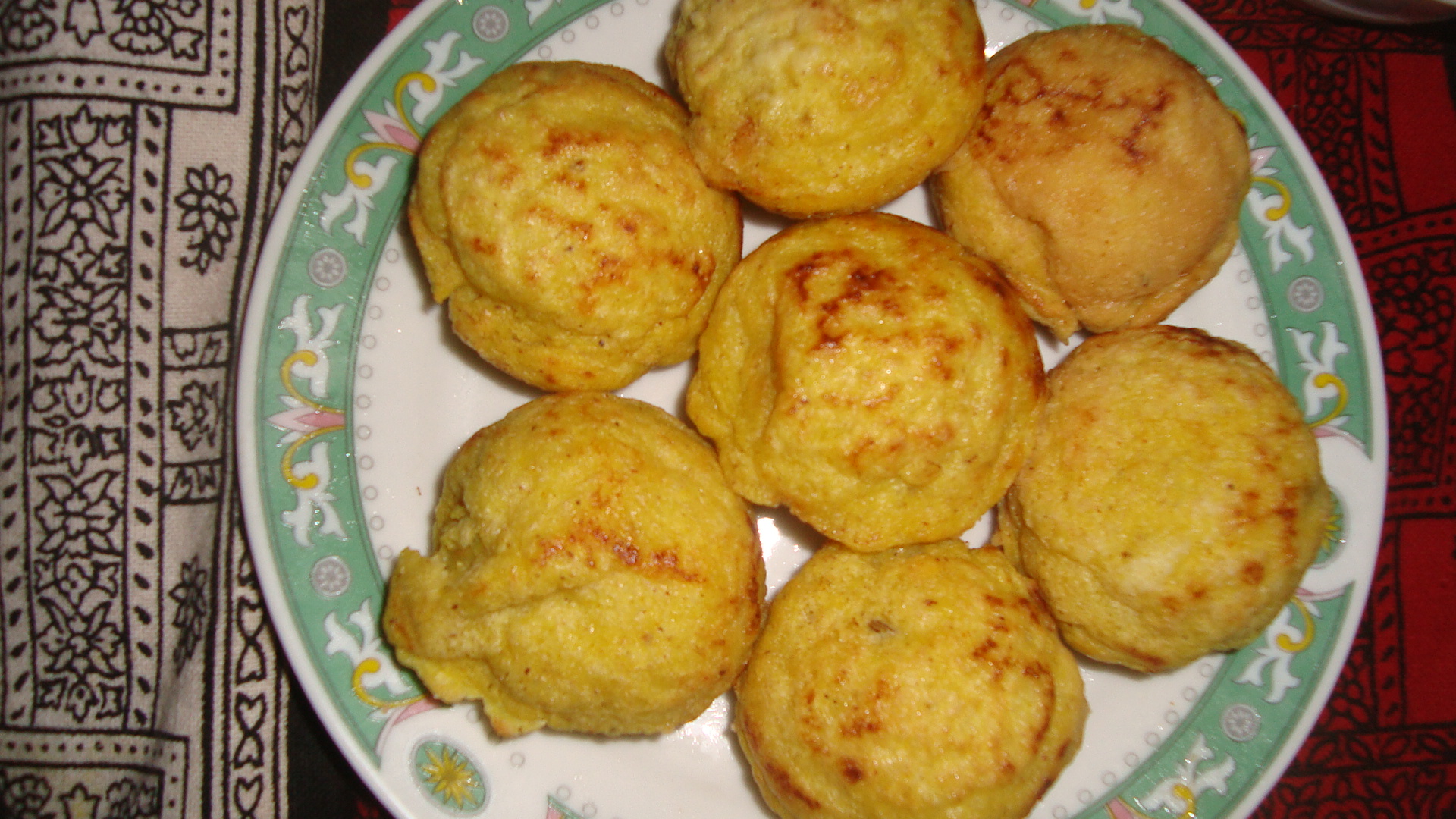
Vegan Eggs

As I have often mentioned on this blog before, my mother enjoys being creative and experimental in her cooking. When she gets into that mode, she starts whipping up several dishes in succession. This weekend, we have been treated to a number of new dishes at home.

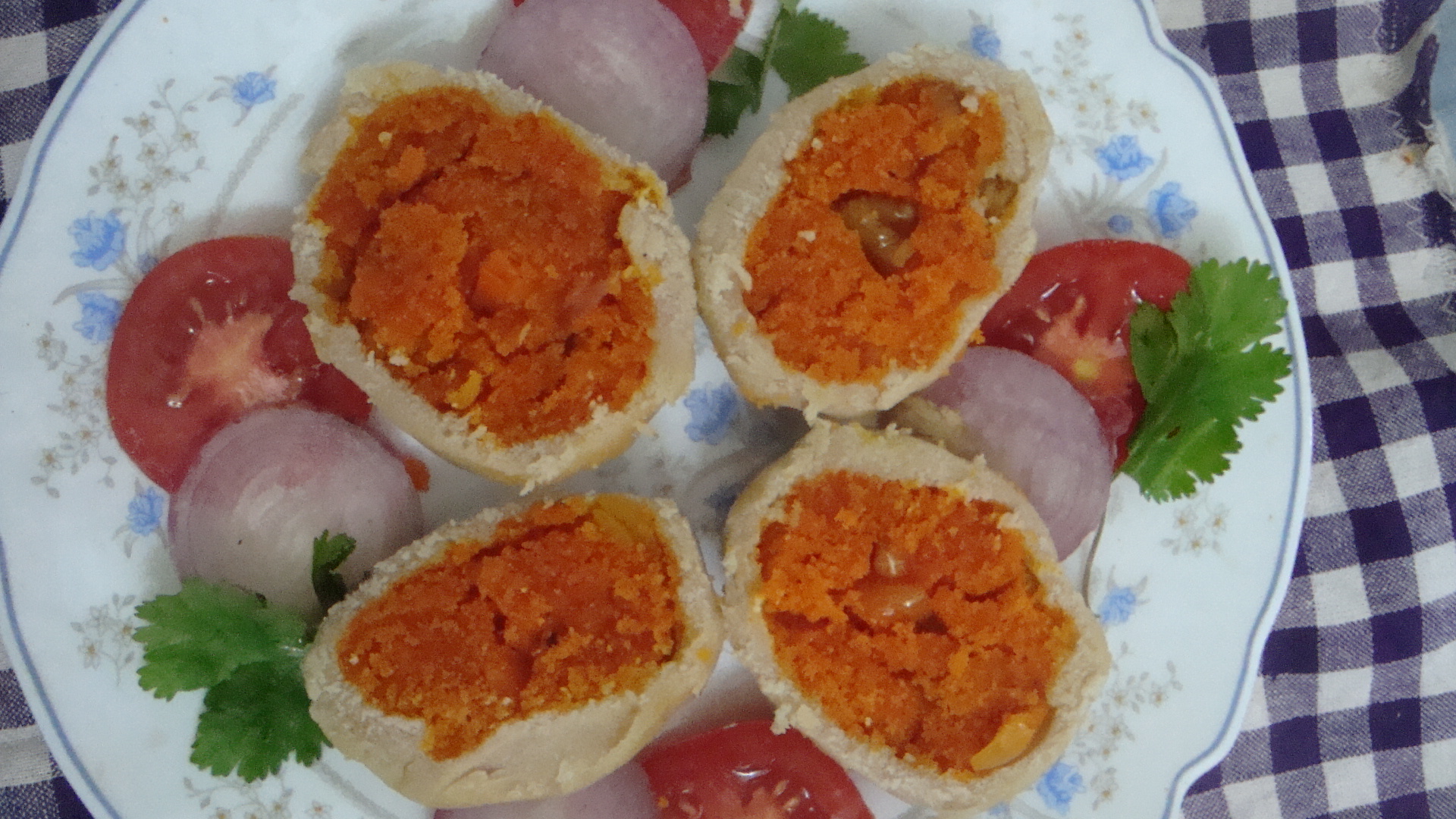
Today’s dish is a special treat and ideal for a weekend breakfast treat.

Vegan eggs

Time taken: 30 mins

Makes 4

Vegan eggs

Ingredients:

  • Rice flour – ½ cup, roasted or Wheat flour – ¾ cup, steamed
  • Semolina – ¼ cup, roasted
  • Onion – ½, chopped
  • Green chilli – 1, chopped
  • Carrot – 1 tbsp, grated
  • Walnuts – 1 tbsp, chopped
  • Vegetable oil margarine – 2 tbsp
  • Kesari powder or saffron – pinch
  • Salt, to taste
  • Pepper  – pinch

Method:

  1. Mix the flour with salt and pepper and hot water to make a dough. Divide the dough into 4 balls. Keep aside.
  2. Heat 2 tbsp margarine in a pan and lightly fry the chopped walnuts, onion, chilli and grated carrot for about 2 mins.
  3. Add ½ cup of water to the pan as well as salt, pepper and a pinch of kesari powder.
  4. As the water starts bubbling, add the semolina to the pan and stir it till it thickens and the chopped onion and walnuts have mixed well with the semolina. Make 4 balls from the semolina mixture.
  5. Roll out the rice flour dough balls into an oval disk.
  6. Place the semolina mixture balls at the center and close the edges, shaping it like an egg with the semolina mixture at its center.
  7. Steam the vegan eggs for about 5 – 10 mins.
  8. After cooling, slice the eggs into halves and serve with sliced onion, tomato and sauce.

Recipe source: Raji Thillainathan.

Banana bun

This is a recipe of my mother. I remember the first time my mother ventured into using bananas in her baking. It was in mid 80s Jakarta, where every embassy had been invited to put up a stall, at a banana food festival and all food had to be made of banana. Besides organizing the Sri Lankan stall, my mother experimented and baked her first banana cake then. Ever since, she has tried using banana in different baked products.

This banana bun is great as both a tea-time snack and as breakfast food.

Banana bun

Time taken: 2 hours

Makes 9 buns

Banana bunIngredients:

  • Multi-purpose flour – 1 ½ cups
  • Yeast – 1 tbsp
  • Salt – 1 tbsp
  • Vegetable margarine – ¼ cup
  • Banana – ½ cup, mashed
  • Raisins – 1 tbsp
  • Cinnamon – ½ tsp, crushed
  • Vanilla essence – ½ tsp

Method:

  1. In a mixing bowl, add a pinch of salt to the flour.
  2. Prepare a yeast solution by adding ¼ cup of lukewarm water to a tbsp yeast and a tbsp salt. Let the solution rest for 2 – 3 mins before adding to the flour in the mixing bowl.
  3. Add the vegetable margarine and mashed banana to the mixing bowl as well and make the dough for the bun.
  4. Sprinkle the raisins, crushed cinnamon and vanilla essence and knead the dough. Divide the dough into 9 balls and let the dough rest for around 30 – 40 mins.
  5. Transfer to baking tray and bake at 170⁰C/338⁰F for 25 mins first on the lower shelf and for another 15 mins on the top shelf so that it is sufficiently browned.
  6. Serve warm, either plain or with a dab of margarine or sprinkled with sugar.

Recipe source: Raji Thillainathan.

Malu Ambulthiyal

Today’s guest blogger is Sunera Edirisuriya, a staff member of Save the Children. She will be sharing a little background information on Matara district’s specialty seafood dish as well as her mother’s recipe for it.

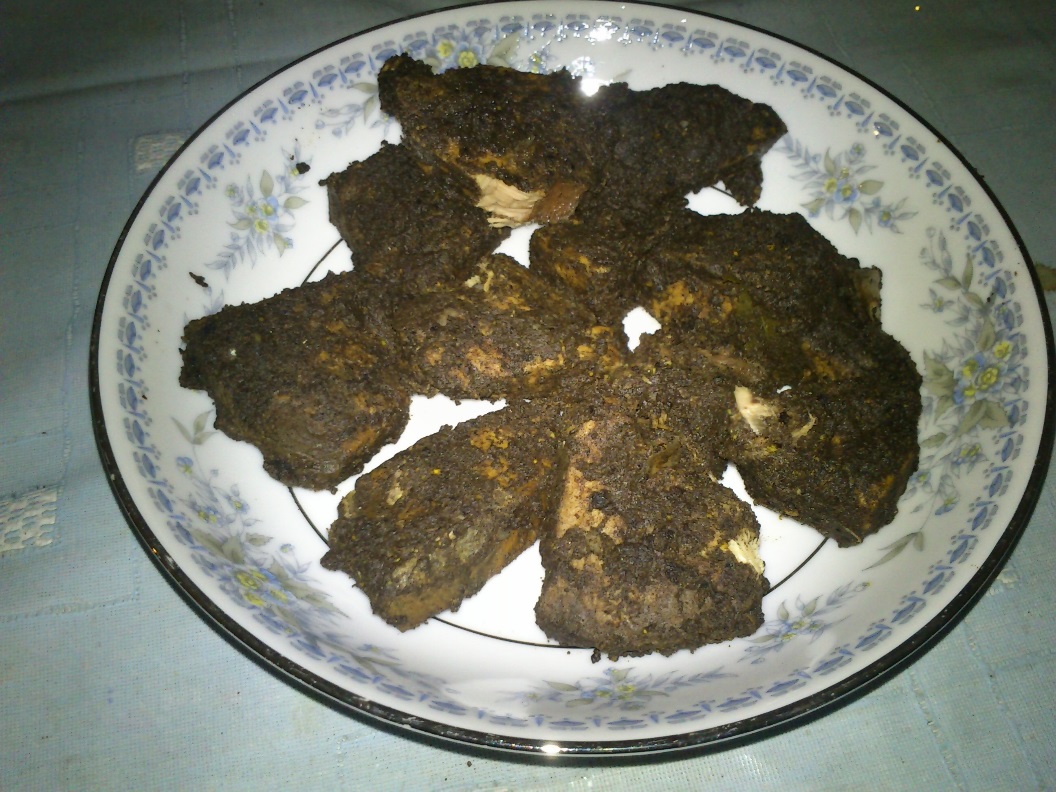
This is one of the famous fish curries which is unique to down south Sri Lanka. It does not mean that this curry is not cooked in other parts of the country yet there is a difference in the flavour and the ingredients used. Due to its origins in the south, it is customary for people from the south to take a pot or jar of malu ambulthiyal when they visit relatives living elsewhere. This fish curry can be served with rice and other curries. Specially, Malu Ambulthiyal pairs well with Kiribath (Milk rice) and katta Sambola.

In our family, we never miss Malu Ambulthiyal at the meal table during the Sinhala and Hindu New Year festival. It was my paternal grand-mother who used to prepare this dish and then my mother and now my elder sister brings this curry to our New Year meal table.

Malu Ambulthiyal

Cooking time: 20 mins

Serves 10

Malu Ambulthiyal

Ingredients:

  • Fish 1kg
  • Goraka (Garcinia gummi-gutta) – 100g
  • Pepper- 2 tea spoons
  • Green chilies -5
  • Cinnamon – ½ tea spoons
  • Curry leaves
  • Salt, to taste
  • Water – 1 cup

Method:

  1. Cut the fish in to small pieces (15-20) and wash them properly.
  2. Put the pieces of goraka in a saucepan with a little water and simmer until the goraka is soft.
  3. Crush the drained goraka pieces until it becomes a coarse paste
  4. Put the fish, goraka paste, pepper, curry leaves, cinnamon powder, salt and green chillies in the pan and mix them well until all the fish pieces are well coated.
  5. Add 1 cup of water to it.
  6. Cook the mixture over low heat for 20 mins. It would be much more delicious if this dish is cooked in a clay pot.
  7. Serve with rice or kiribath.

Recipe source: Sunera Edirisuriya.

Date chutney

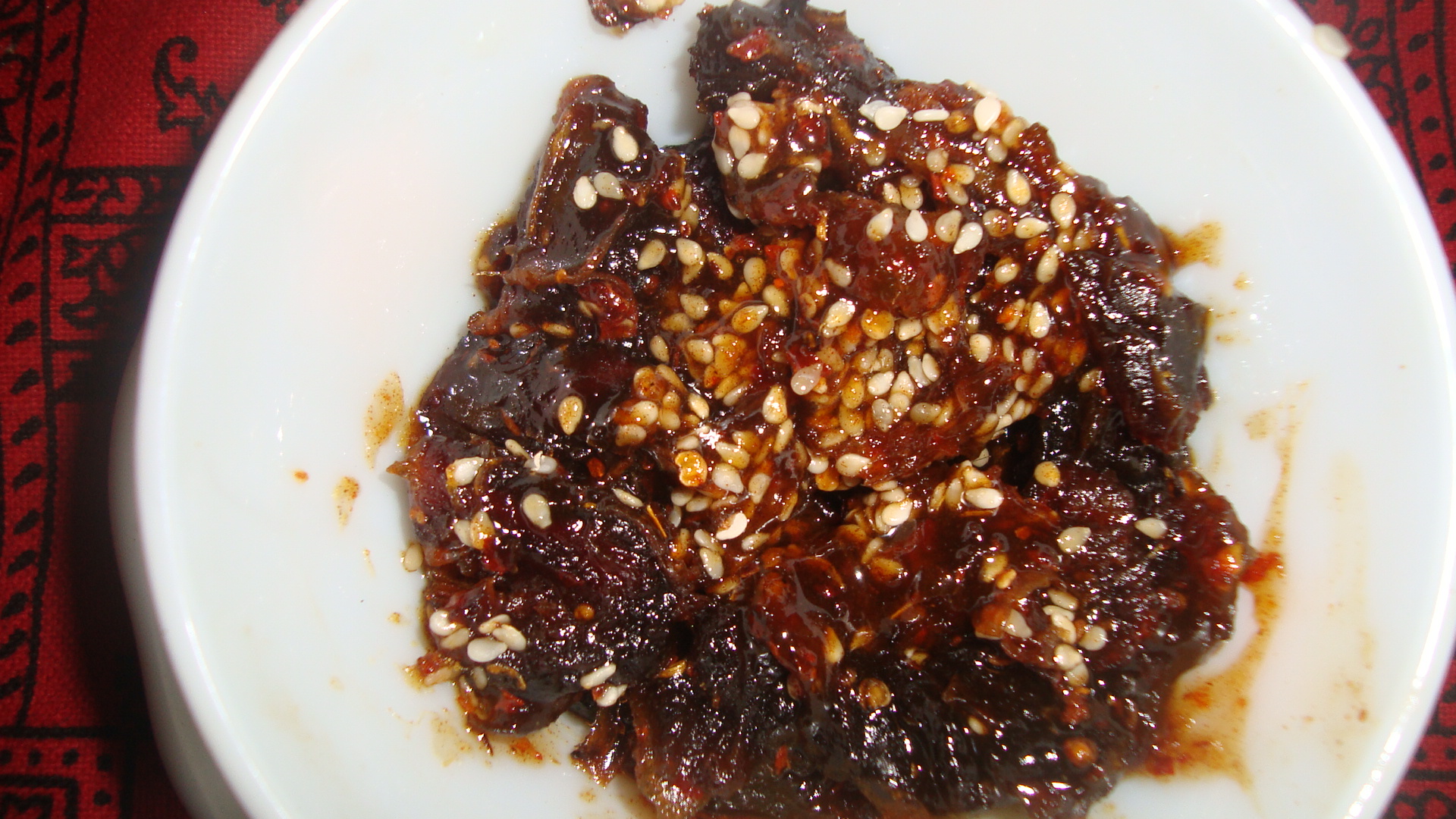
The second recipe I would like to share today is my mother’s recipe for her version of date chutney. She is particularly fond of the unique flavour arising from the chilli infused date sauce.

Date chutney

Time taken: 10 mins

Serves 3 – 4

Date chutney

Ingredients:

  • Dates – 2 tbsp, finely chopped
  • Jaggery – 1 tsp
  • Brown sugar – 1 tsp
  • Water – 4 tbsp
  • Crushed chillies – ½ tsp
  • Cumin powder – ¼ tsp
  • Mixed 3C (cinnamon, cardamom, clove) powder – ¼ tsp
  • Sesame seeds – 1 tbsp
  • Salt – pinch

Method:

  1. Heat the jaggery, brown sugar and water in a sauce pan, on low heat, stirring continuously for about 2 to 3 mins.
  2. Stir in ½ tsp crushed chillies and ¼ tsp cumin powder and cook for a minute.
  3. Add the mixed 3C powder to the pan and let the sauce simmer for a minute.
  4. When the sauce starts to boil and bubble, add the sesame seeds. Mix well.
  5. Add the chopped dates and continue to let the sauce simmer on low heat for a few minutes till the sauce thickens and the liquid starts drying up.
  6. Season with a pinch of salt before removing from heat.
  7. The chutney can be kept for several days in an airtight container.

Recipe source: Raji Thillainathan.

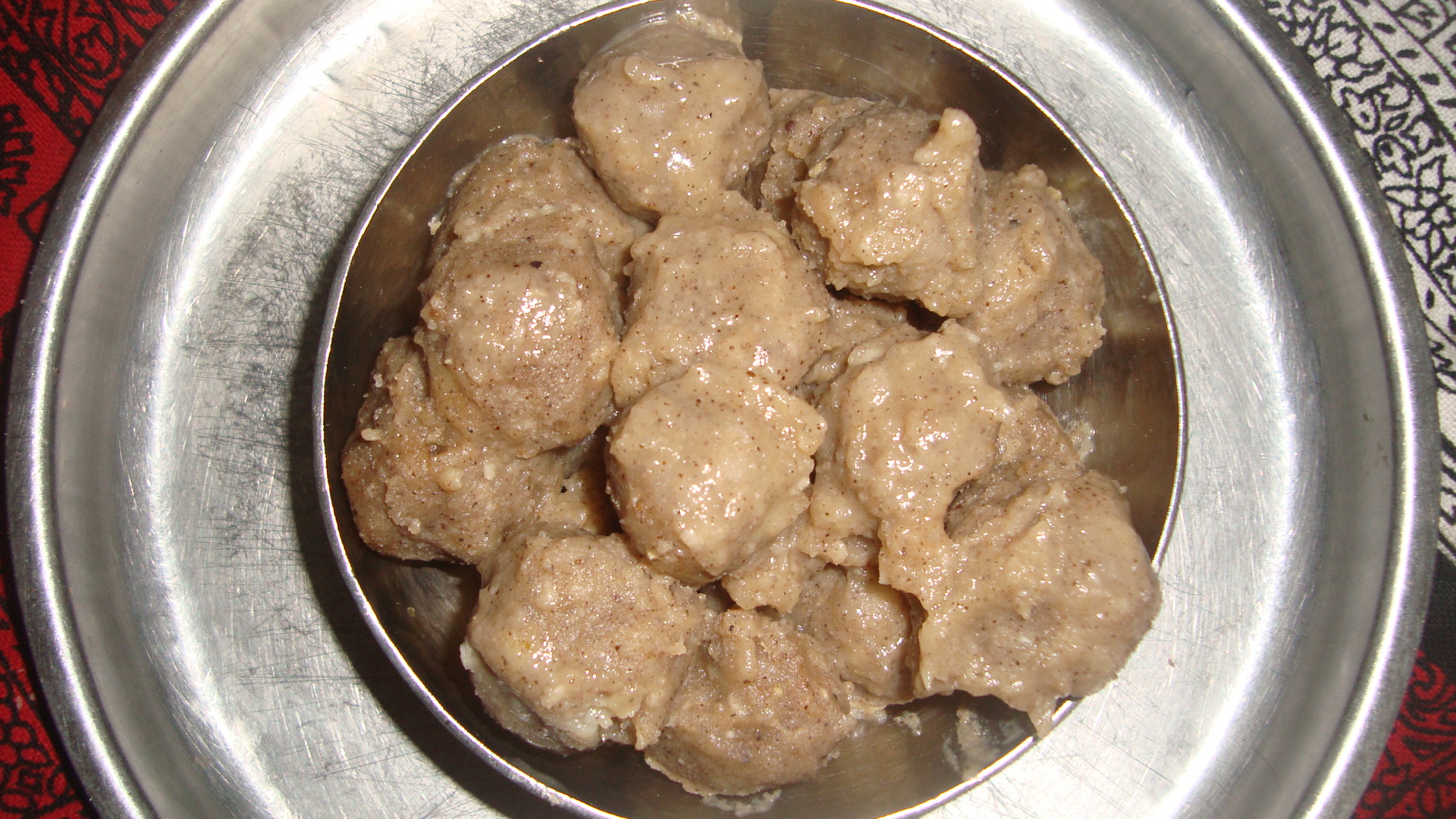
Paal Puttu

The other breakfast treat that my mother’s friend had brought this morning was paal puttu. I have actually had a few different versions of this over the past decade. Surprisingly, this is the first dish from the northern region of Sri Lanka that I have had which my mother hadn’t either heard of or tried until I described it to her.

Paal puttu

Time taken: 30 mins

Serves 2 or 3

Paal puttu

Ingredients:

  • Urad dal/ ulunthu flour – ¼ cup + 2 tbsp
  • Rice flour – ¼ cup
  • Coconut milk – ¾ cup
  • Sugar – 1 tbsp
  • Salt, to taste

Method:

  1. Mix ¼ cup urad dal flour and ¼ cup rice flour with salt and hot water and make them into tiny balls.
  2. Steam the balls and keep aside.
  3. Heat the coconut milk, with the sugar and salt seasoning, in a pan.
  4. Add  2 tbsp urad dal flour to the coconut milk as it starts to boil. Stir well.
  5. As the sauce thickens, add the steamed balls and mix well. Remove pan from stove after a minute or two.
  6. Serve warm.

Recipe source: Ithayarani Jeyabalasingham.

Kundu Thosai with Coconut Tamarind Sambal

A friend of my mother dropped by this morning with some breakfast treats that she had made so I decided to post the recipes for those two dishes. The first is kundu thosai with a coconut-tamarind sambal.

Kundu thosai with sambal

(a) Kundu thosai

Cooking time: 15 mins + preparation time: nearly 8 hours

Makes 24

Gundu thosai

Ingredients:

  • Black gram/ Urad dal/ Ulunthu – ½ cup
  • Raw rice – 1 cup
  • Fenugreek seeds – ¼ tsp
  • Pepper – ¼ tsp
  • Cumin seeds – ¼ tsp
  • Turmeric powder – ¼ tsp
  • Wheat flour – 2 tbsp
  • Oil, as required

Method:

  1. Soak ulunthu and rice for about 3 to 4 hours.
  2. Grind the soaked ulunthu and rice together with the fenugreek seeds, pepper, cumin seeds and turmeric powder.
  3. Mix the wheat flour in the blended mixture. The batter should be thick.
  4. Let the batter rest for about 3 to 4 hours.
  5. Place the special ‘kundu thosai’ pan on the stove on low heat.
  6. Pour a little oil in each of the 8 holes of the pan. Then, pour a tablespoon of batter in each.
  7. Cook the thosai for about 1 ½ to 2 mins each side. Flip to the other side so that both sides are browned.
  8. Serve hot with the coconut-tamarind sambal.

(b) Coconut-Tamarind Sambal

Time taken: 10 mins

Serves 4

Ingredients:

  • Freshly scraped coconut – ½ cup
  • Dried red chillies – 4 + 1
  • Onion – ¼ + ¼ , chopped
  • Curry leaves – 1 sprig
  • Fennel seeds – ½ tsp
  • Tamarind extract – ¼ cup
  • Salt, to taste
  • Oil, as required

Method:

  1. Soak four of the dried red chillies for a few minutes and then chop them up.
  2. Grind the soaked dried red chillies with the coconut and 1/4 onion and keep aside.
  3. Heat a tbsp or two of oil in a pan and fry the fennel seeds.
  4. When the seeds start spluttering, add the chopped ¼ onion and chopped dried red chilli and curry leaves.
  5. Add ¼ cup of tamarind extract to the pan and let it simmer.
  6. When the tamarind juice starts bubbling, add the ground chilli-onion-coconut mix and salt, to taste.
  7. Mix well and remove from heat.
  8. Serve with ‘Kundu’ thosai.

Recipe source: Ithayarani Jeyabalasingham.

Veggie Uppuma

I will be sharing two delicious vegan recipes, of my mother today, that are semolina (ravai) based. The first recipe is uppuma, a typical simple and nutritious breakfast dish.

Veggie uppuma

Time taken: 10 mins

Serves 3

Veggie uppuma

Ingredients:

  • Semolina – 1/3 cup, slightly roasted
  • Water – 1 cup
  • Carrot – ¼ cup, chopped
  • Potato – ¼ cup, chopped
  • Beans – 2, chopped
  • Green chilli, chopped
  • Onion – ½ , chopped
  • Fennel seeds – 1 tsp
  • Curry leaves – 1 sprig
  • Freshly scraped coconut – 1 tbsp (optional)
  • Sesame oil (Gingelly oil) – 3 tbsp

Method:

  1. Heat the sesame oil in a pan and sauté the fennel seeds, curry leaves for a minute or two.
  2. Add the rest of the chopped vegetables to the pan and continue to sauté for about 5 mins.
  3. Add a cup of water and salt to taste to the pan.
  4. When the water starts boiling, add the semolina and stir until it starts coming together.
  5. Before removing from heat, the freshly scraped coconut can be optionally added.
  6. Mix well and serve hot.

Recipe source: Raji Thillainathan.