Payaru Soosiam

Green gram (Payaru/ Moongkatta) is used a lot in Sri Lanka as a nutritious food. It is generally cultivated in between paddy cultivation seasons.
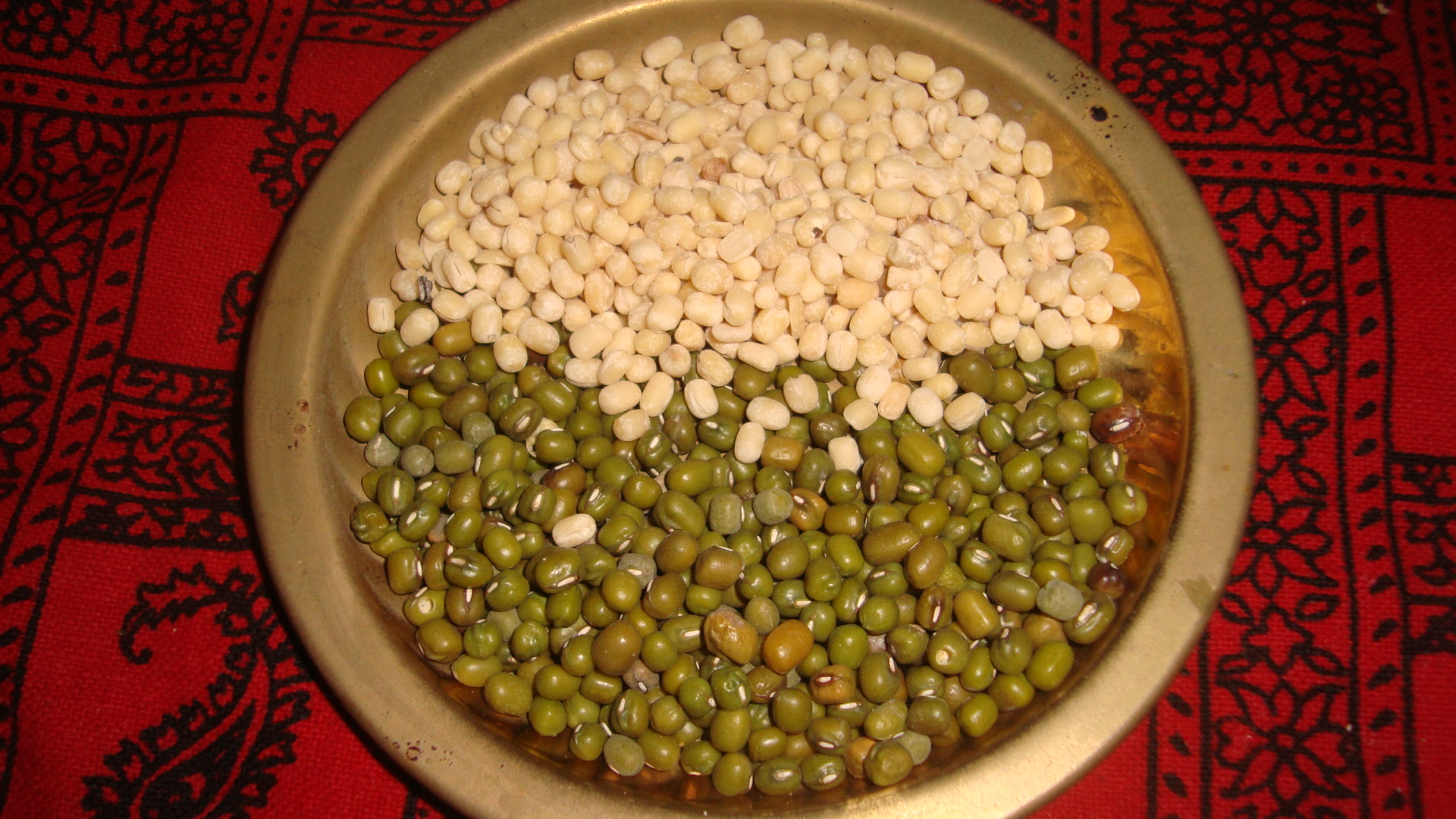
Green gram and Black gram, with skin peeled off

Green gram and Black gram, with skin peeled off

At home, my mother used to occasionally make us the ‘kadalaiparuppu soosiam’ (chickpea soosiam) more than ‘payaru soosiam’. During my undergraduate years at Peradeniya, I became fond of something that was called ‘moongkatta bole’ which was quite similar to ‘payaru soosiam’. It was one of the few things that I liked from what the university canteens offered. During my visits home, I mentioned this to my mother and since then, my mother makes ‘payaru soosiam’ more often than she does the chickpea soosiam.

So today, besides the ulunthu vadai recipe, I will also share my mother’s recipe for payaru soosiam/ moongkatta bole.

Payaru soosiam/ Moongkatta bole

Cooking time: 30 mins + 4 hours (soaking time)

Makes 10 soosiam
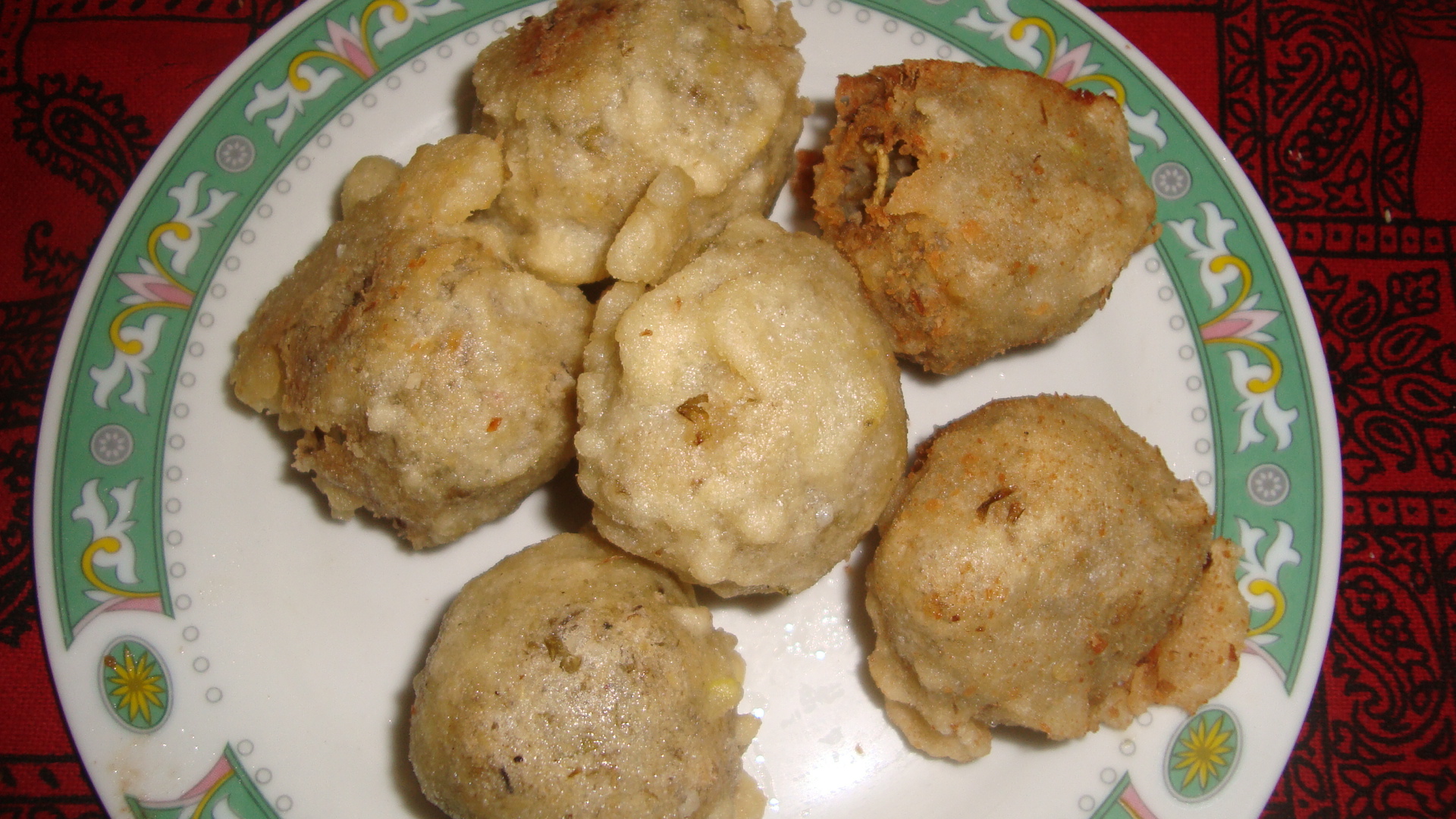
Payaru soosiam

Ingredients

  • Green gram – 1 cup
  • Freshly scraped coconut – ½ cup
  • Sugar – ¼ cup
  • Cardamom – 4 or 5
  • Wheat flour – ½ cup
  • Salt, to taste
  • Vanilla – few drops
  • Yellow food colouring – few drops (optional)
  • Water, as required
  • Low fat oil, for deep frying

Method

  1. Soak the green gram for about 3 – 4 hours.
  2. Cook the green gram with water for about 10 to 15 mins, until the gram is cooked. Drain off the water.
  3. Mix the boiled gram with scraped coconut, sugar and cardamom and grind.
  4. Make 10 balls out of the ground mixture and keep aside.
  5. Mix the wheat flour with salt.
  6. Add water little by little till a pancake batter consistency is reached.
  7. Add the vanilla extract and optional food colouring to the batter and mix well.
  8. Dip each ball in the batter, coat it thorougly and deep fry.
  9. Serve immediately with a hot cup of tea.

Recipe source: Raji Thillainathan.
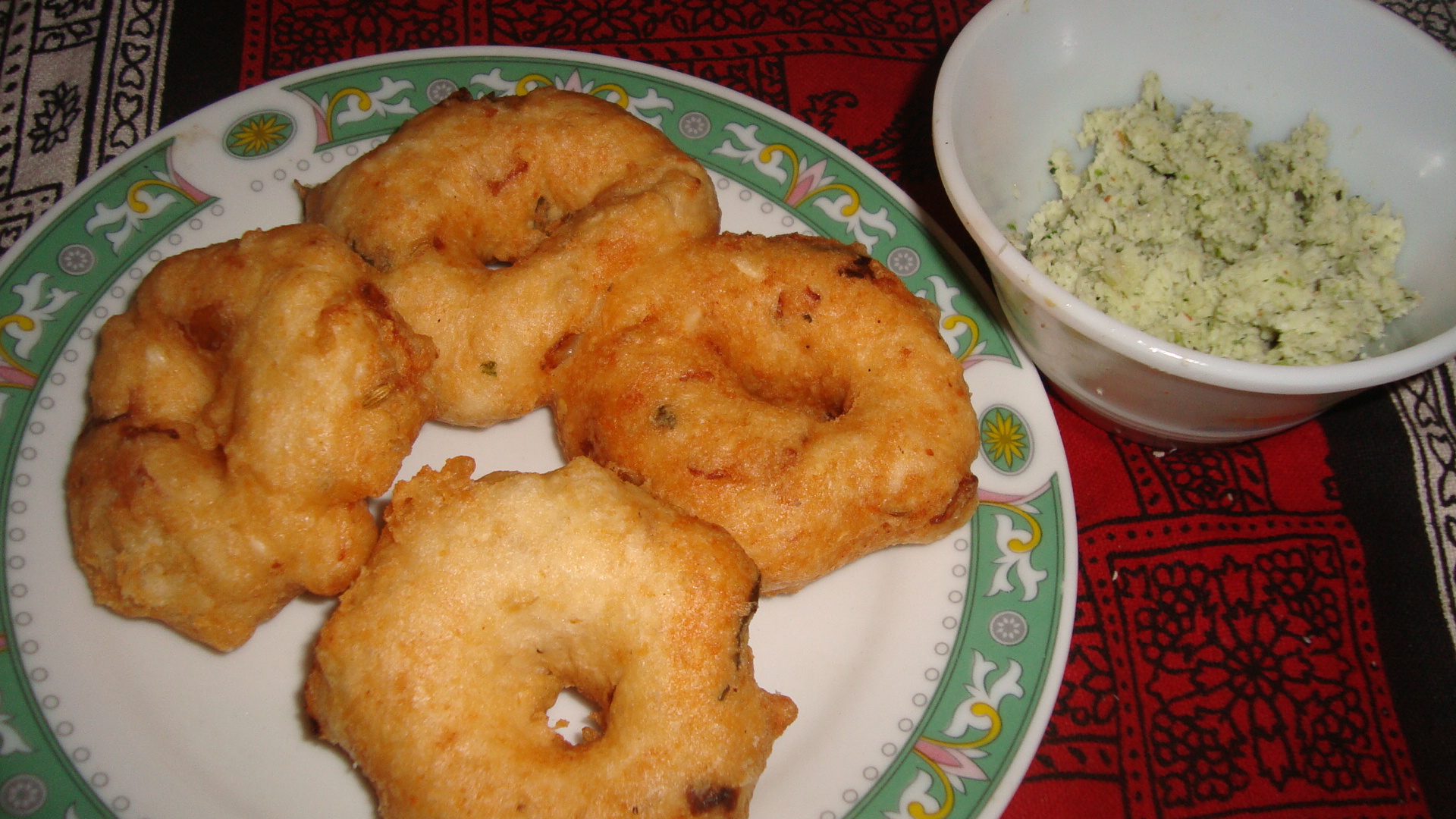
Vadai and Pachai Sambal

Black gram, or urad dhal, plays an important role in the cuisine of the north. It is one of the gram varieties cultivated in the seasons in between paddy cultivation and is a major source of nutrition.

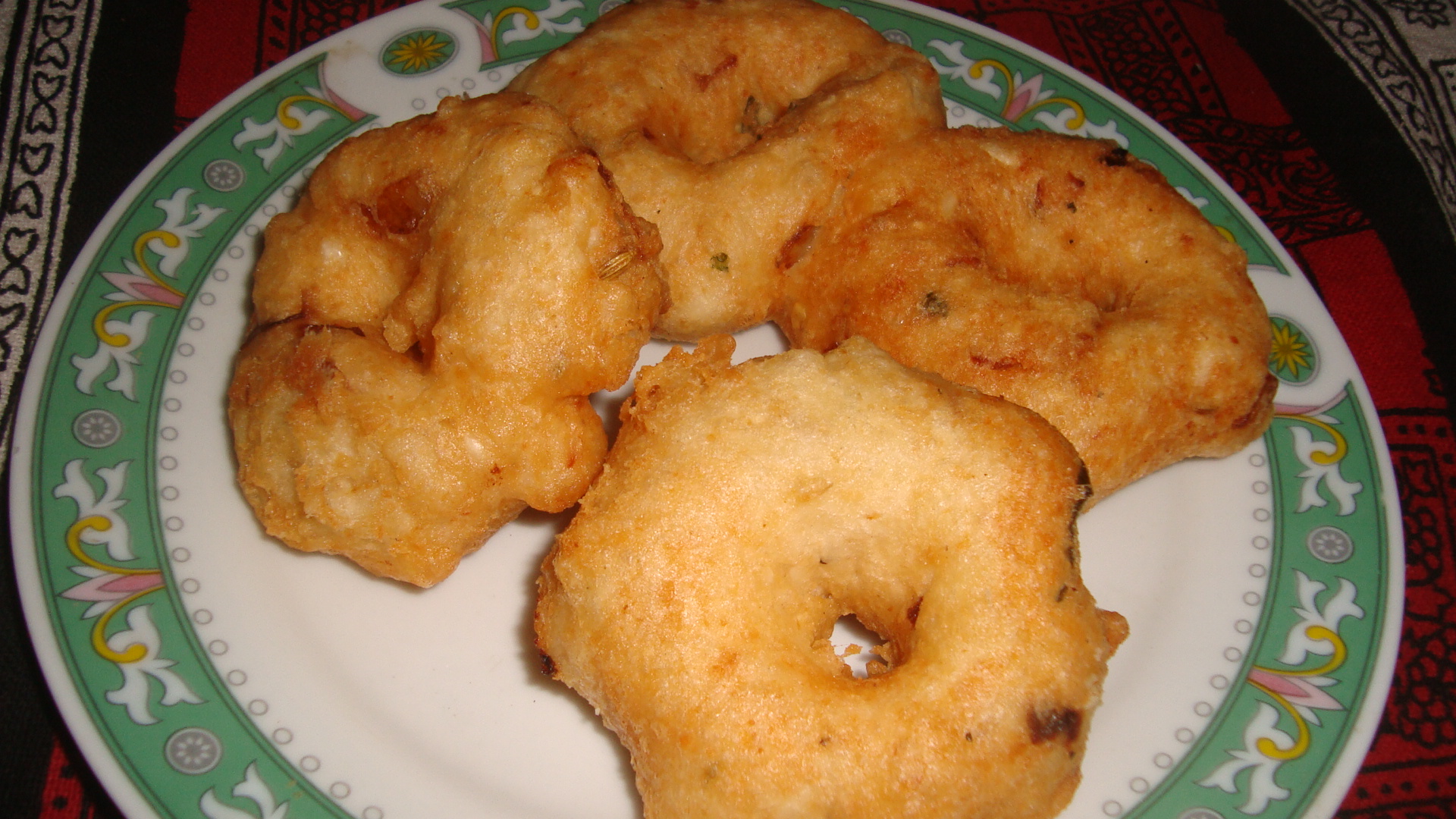
Today, I will share my mother’s recipe for her famous vadais as well as a green gram snack in my next post. Vadai can be breakfast food or a tea-time snack or can be served with lunch or dinner. It is the most common snack under the Tamil cuisine of the country and is quite popular around the country.

Vadai with Sambal

(a) Vadai

Cooking time: 20 – 30 mins + 4 hrs (fermenting time)

Makes 10 vadai

Vadai

Ingredients

  • Urad dal/ black gram – 1 cup, skin removed
  • Green chillies – 2, chopped
  • Onion – 1, medium sized and chopped
  • Curry leaves – 2 sprigs
  • Coriander leaves – 1 tbsp, chopped
  • Baking powder – 1 tsp (optional)
  • Low fat oil (sunflower or canola) – ½ litre (for deep frying) + 1 tsp (for sauté)
  • Salt, to taste

Method:

  1. Soak the black gram, without the skin, for 3 – 4 hours.
  2. Grind with a little water to thick batter.
  3. Heat 1 tsp oil in a pan and lightly sauté the chopped onion, chillies and curry leaves.
  4. Transfer the contents of the pan and the coriander leaves to the batter mix and add salt to taste. If you prefer, you can also add 1 tsp baking powder.
  5. Mix well and keep aside for 5 mins.
  6.  Heat ½ l oil in the pan.
  7. Take a piece of banana leaf or something equivalent, dab some water on the surface and put a spoonful of batter onto the leaf. Shape it into a round or elliptical shape with a hole in the middle, like a mini doughnut.
  8. Transfer to the oil pan, 3 to 4 at a time, and fry until golden brown on both sides.
  9. Serve with pachai sambal.

 (b) Pachai sambal

Preparation time: 5 – 10 mins

Serves 4

Pachai Sambal

Ingredients:

  • Freshly scraped coconut – ½ cup
  • Green chillies – 2, chopped
  • Onion – ¼, chopped
  • Ginger – ½ “ (optional)
  • Curry leaves – 1 sprig, chopped
  • Salt, to taste

Method:

  1. Mix and grind all ingredients and add salt, to taste.

Recipe source: Raji Thillainathan.
Kiribath with Lunu Miris

In lieu of a basic intro, I will quote a line from Indika’s email:

“you don’t eat kiribath with pol sambol it should be lunu miris.”

So, Indika’s second recipe for the day is the traditional combination of kiribath with lunu miris.

(a) Kiribath

Cooking time: 30 mins

Serves 2

 Ingredients:

  • 1 cup rice
  • Coconut milk
  • pinch of salt

Method: 

  1. Soak 1 cup rice in water for few minutes.
  2. Boil the rice with coconut milk till rice is very soft (When adding coconut milk  mix pinch of salt to the coconut milk and add it to the rice).
  3. When the rice is boiling mix with a wooden spoon.

 (b) Lunu miris

 Ingredients: 

  • 10 small onions cut into pieces
  • 02 tablespoons crushed red chillies
  • Pinch of table salt
  • Few drops lemon juice

 Method:

  1. Add first three ingredients together and mix it in a grinder for 01 minute.
  2. Take the mixture out and add the lemon juice.
  3. Serve with Kiribath.

Recipe Source: Indika K.

Kiri Koss

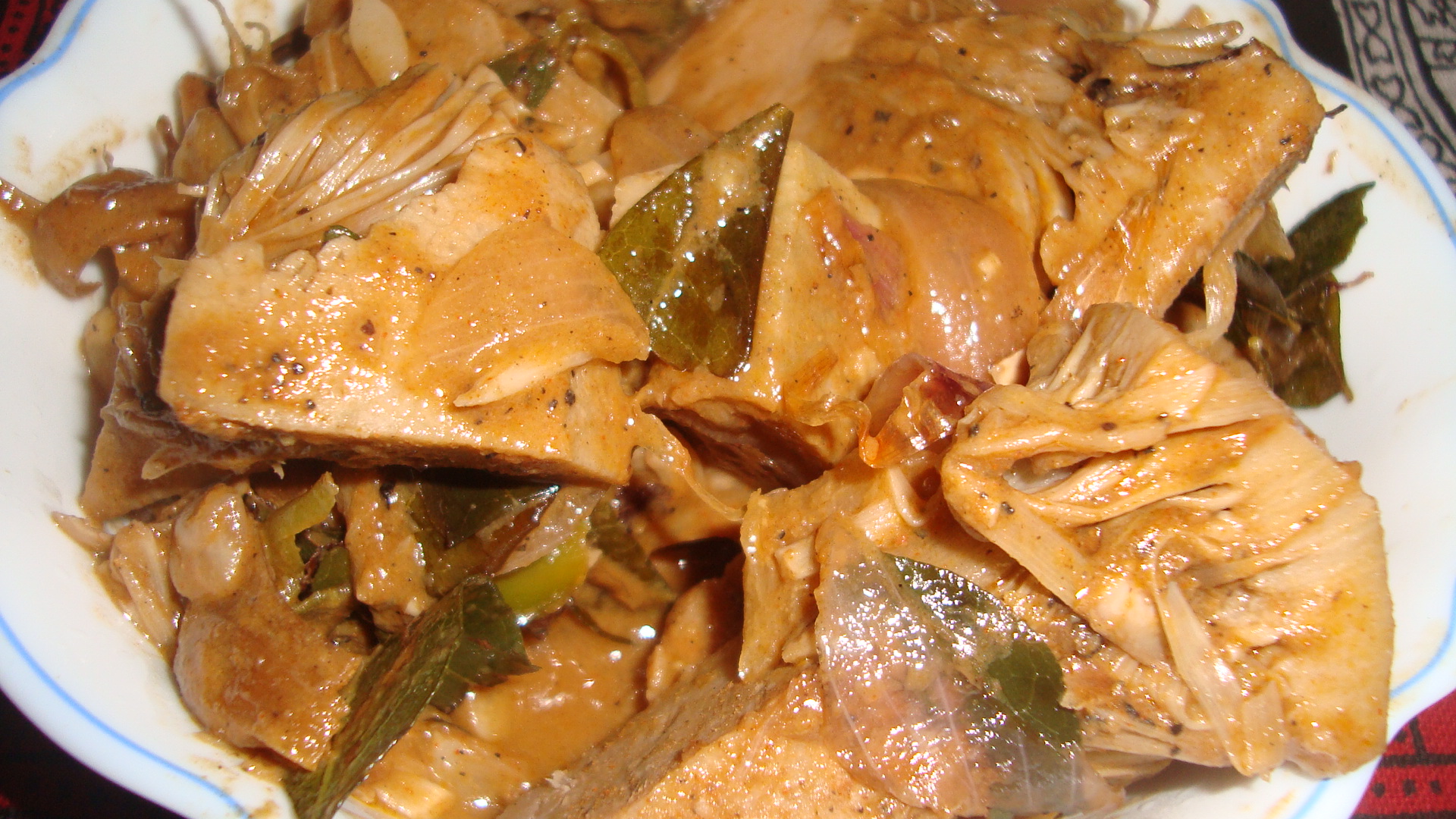
Today’s guest blogger is Indika and her favourite recipe is Kiri Koss.

Kiri Koss

Cooking time: 30 mins

Serves 5

Ingredients:

  • 3 cups of unripe Jack-fruit
  • 1 medium onion, finely chopped
  • 2 green chillies
  • 2 cups coconut milk
  • curry leaves
  • 1/2 tsp turmeric powder
  • 1 tsp curry powder
  • 1 tsp chillie powder
  • salt to taste

Method:

  1. Clean and de-seed the the Jack-fruit. Cut the Jack-fruit into thin long stripes. Clean the seeds and cut them into two.
  2. Mix the Jack-fruit, the seeds and all the other ingredients and the the coconut milk in a pan.
  3. Put the pan on a medium flame, cover and cook for about 30 mins, until the jack-fruit is well done.

Recipe source: Indika K.

The wonders of pomegranate

During my visits to my grandmother’s house as a kid, my favourite reading corner was under the pomegranate, guava and gooseberry trees. My grandmother used to loosely tie some of the fruits with a cloth or bag, so that she could save a few for us, before the squirrels and birds had eaten them all. So, until recently, pomegranates were something that we occasionally bought because it reminded us of my grandmother and her home.

Ever since my mother read an article on the benefits of pomegranate for lowering cholesterol and blood pressure levels as well as reducing heart blocks (atherosclerosis plaque), she has been encouraging everyone at home to have pomegranate, either as a fruit or juice.

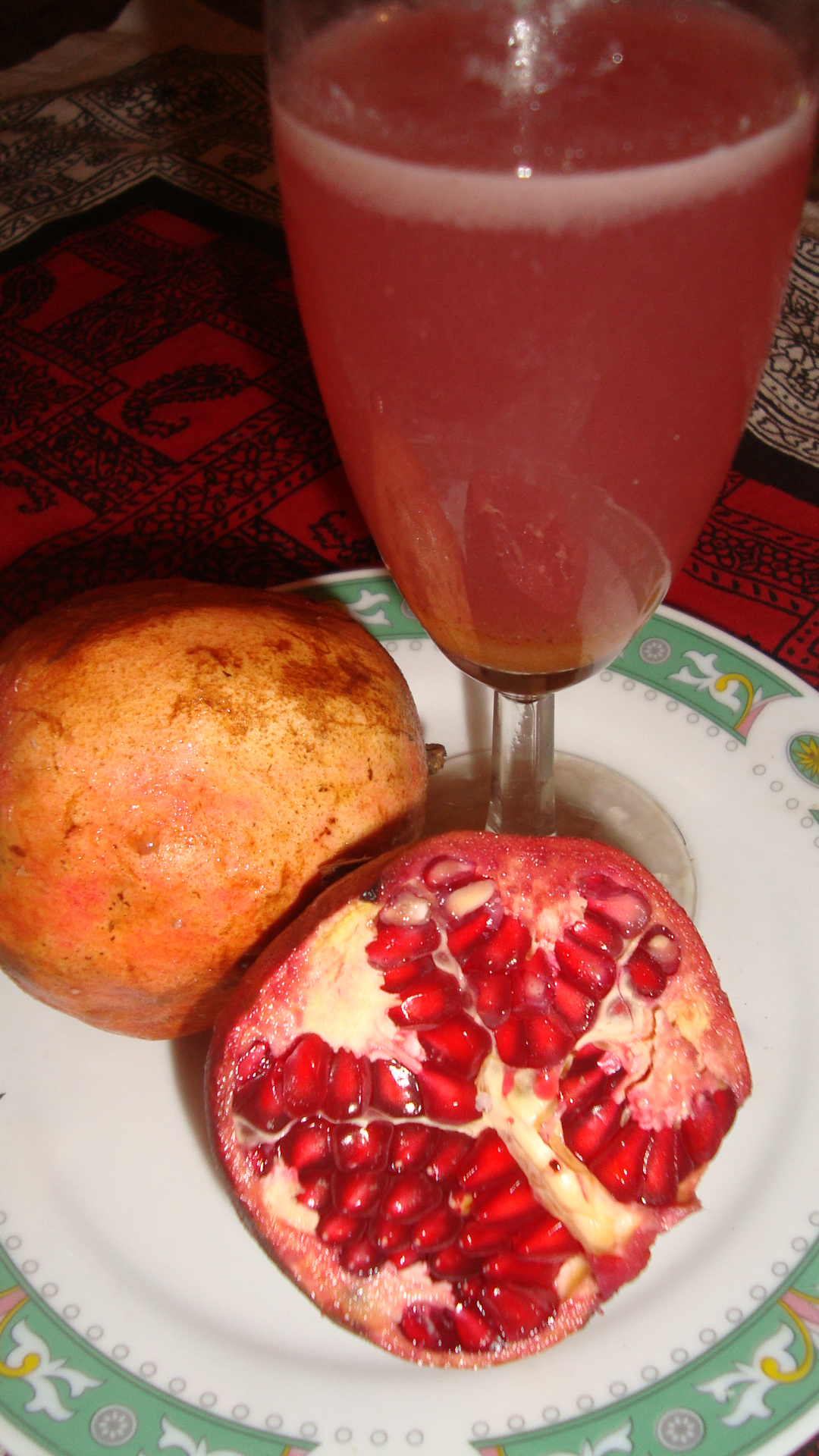
Pomegranate juice

My parents, who both have had heart surgeries and have had cholesterol issues for many years, seem to feel the difference and their cholesterol tests in recent months have drastically reduced to healthy levels.

While my father prefers drinking pomegranate juice by blending the fruit and straining out the juice, my mother prefers consuming pomegranate seeds.

She wanted me to share her way of consuming pomegranate seeds, as was indicated in the article that she read, so that it might be of benefit to others. It is said that pomegranate not only helps lower unhealthy cholesterol levels but also inhibits cancer. So, do try pomegranate on a regular basis and see if it does help you.

Ingredients:

  • Pomegranate seeds – 1 tbsp (either reserved after making the juice or possibly available in an Indian, Pakistani or Persian store)
  • Water – 1 cup

Method:

  1. Boil a cup of water with 1 tbsp pomegranate seeds, till it reduces to ½ cup.
  2. Remove from heat and cool.
  3. Drink the lukewarm mixture each morning, on an empty stomach.

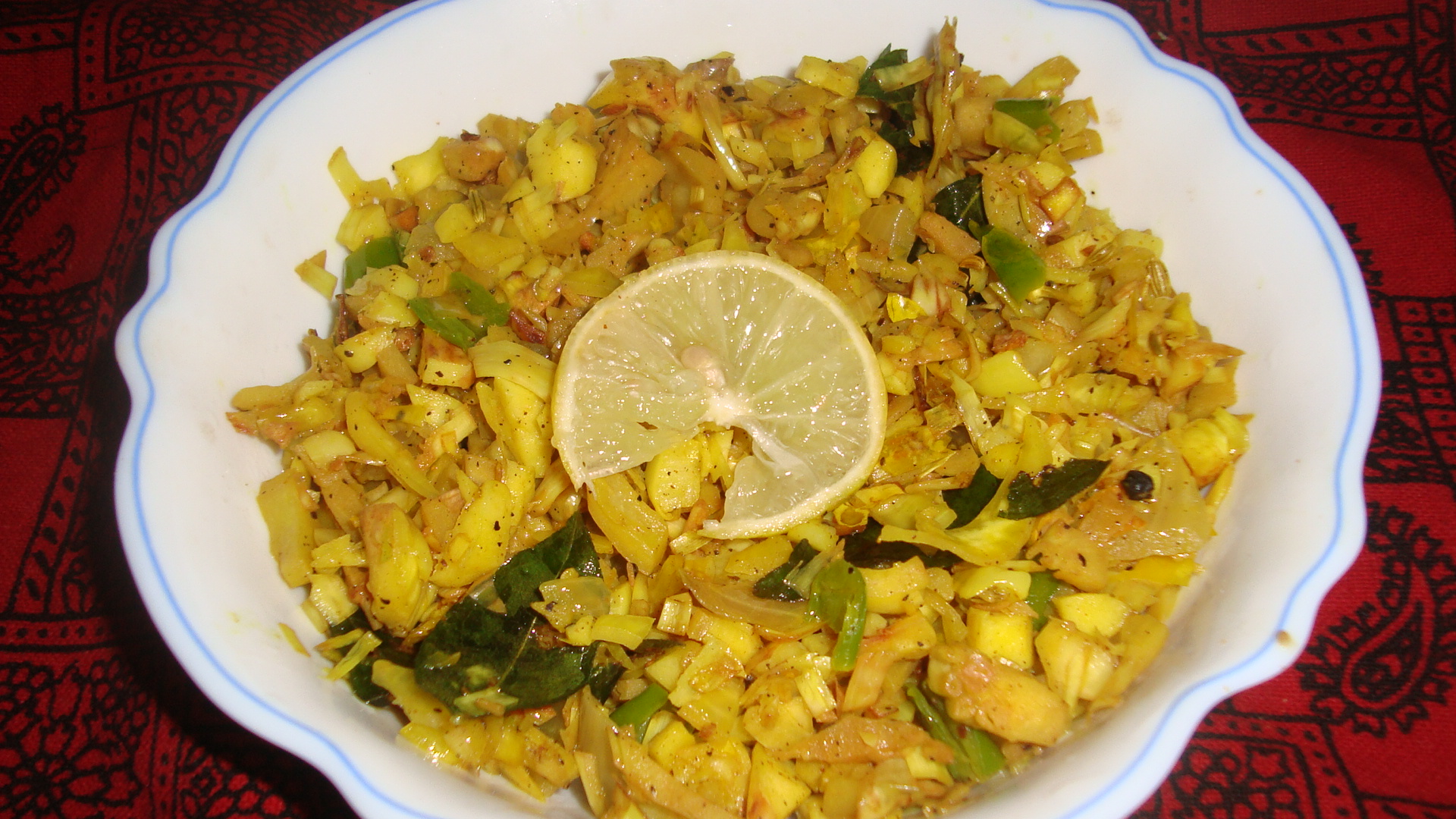
Polos and Kos Mallung

Jackfruit, both the unripe and ripe fruit, is very popular in Sri Lanka. The unripe jackfruit is cooked in different styles across the country. My mother and I like the Southern style. My mother’s unripe jackfruit dishes therefore are a slightly adapted version of her friend’s recipes for polos and kos mallung.  While I will certainly post the long and traditional way of cooking polos when someone sends me the recipe for it, today I would like to share the adapted recipes that my mother uses.

(a) Polos

Cooking time: 1 hour

Serves 4

Polos

Ingredients

  • Unripe jackfruit/ kos/ palakkai – 2 ½ cup (250 g), chopped and cleaned after peeling off skin
  • Chillies – 2
  • Coriander seeds – 1 tsp
  • Cumin seeds – 1 tsp
  • Cloves – 3
  • Cinnamon – small piece
  • Cardamon – 3
  • Ginger – ½”
  • Garlic – 3 – 4 cloves
  • Curry leaves – 1 sprig
  • Rampe leaf/ pandan
  • Onion – ½, large and chopped
  • Freshly scraped coconut – ¼ cup
  • Salt, to taste – 1 tsp
  • Tamarind extract – ¼ cup or Goraka/ Garcinia Cambogia – small piece
  • Water – 1 ½ cups

Method:

  1. Put the cleaned and chopped up raw jackfruit in a pot. Add 1 ½ cups of water and cook for about 15 – 20 minutes till the water dries up. Remove from heat and drain off the water.
  2. Dry roast the chillies, coriander and cumin, grind them and add to the pot.
  3. Crush the ginger and garlic and add the ginger-garlic paste to the pot.
  4. Add the cloves, cinnamon and cardamom together with the chopped onion, curry leaves and rampe leaf to the pot.
  5. Blend ¼ cup of freshly scraped coconut with 2 cups of water. Strain and add the coconut milk to the pot.
  6. Add the goraka piece or tamarind extract to the pot.
  7. Add salt to taste and mix all ingredients in the pot well.
  8. Put the pot back on the stove and cook for 10 minutes.
  9. Then, reduce to low heat and simmer for about 30 mins. If the ingredients are scaled up, the simmering time also needs to be increased. For e.g. if 1 Kg of jackfruit is being cooked, the simmering time will need to be at least 2 hours.
  10. If you prefer having more gravy in your polos curry, add a little coconut milk and cook for a few minutes more before removing from heat.
  11. Serve with rice.

(b) Kos Mallung

Cooking time – 25 mins

Serves 4

Kos Mallung

Ingredients:

  • Young, unripe jackfruit/ kos/ palakkai – 2 cups, finely chopped after peeling off the skin and cleaning it
  • Salt – ½ tsp + more, as per taste
  • Pepper – ½ tsp
  • Turmeric – ½ tsp
  • Garlic – 4 – 5 cloves, chopped
  • Green chillies – 2
  • Onion – 1, small, chopped
  • Curry leaves – 1 sprig
  • Scraped coconut – 1 tbsp (optional)
  • Lime juice – 1 tsp
  • Low fat oil (canola or sunflower) – 1 tbsp
  • Water – ½ cup

Method:

  1. Marinate the finely chopped unripe jackfruit flesh and seed with ½ tsp salt, pepper and turmeric powder. Keep aside for about 10 minutes.
  2. Heat 1 tbsp oil in a pan and sauté the chopped garlic, chillies, onion and curry leaves for 2 minutes.
  3. Add the marinated finely chopped jackfruit to the pan. Mix well.
  4. Add ½ cup water and test for salt, adding more if required. Cover and cook on low heat for 10 minutes.
  5. Uncover after 10 minutes and if there is still water in the pan, cook till the water dries up.
  6. If you like adding scraped coconut, you can add the freshly scraped coconut now and remove from heat.
  7. Add 1 tsp lime juice. Mix well and serve hot with rice.

Recipe source: Lalitha Senadheera and Raji Thillainathan.

Mixed Veggie Idli with Sambal

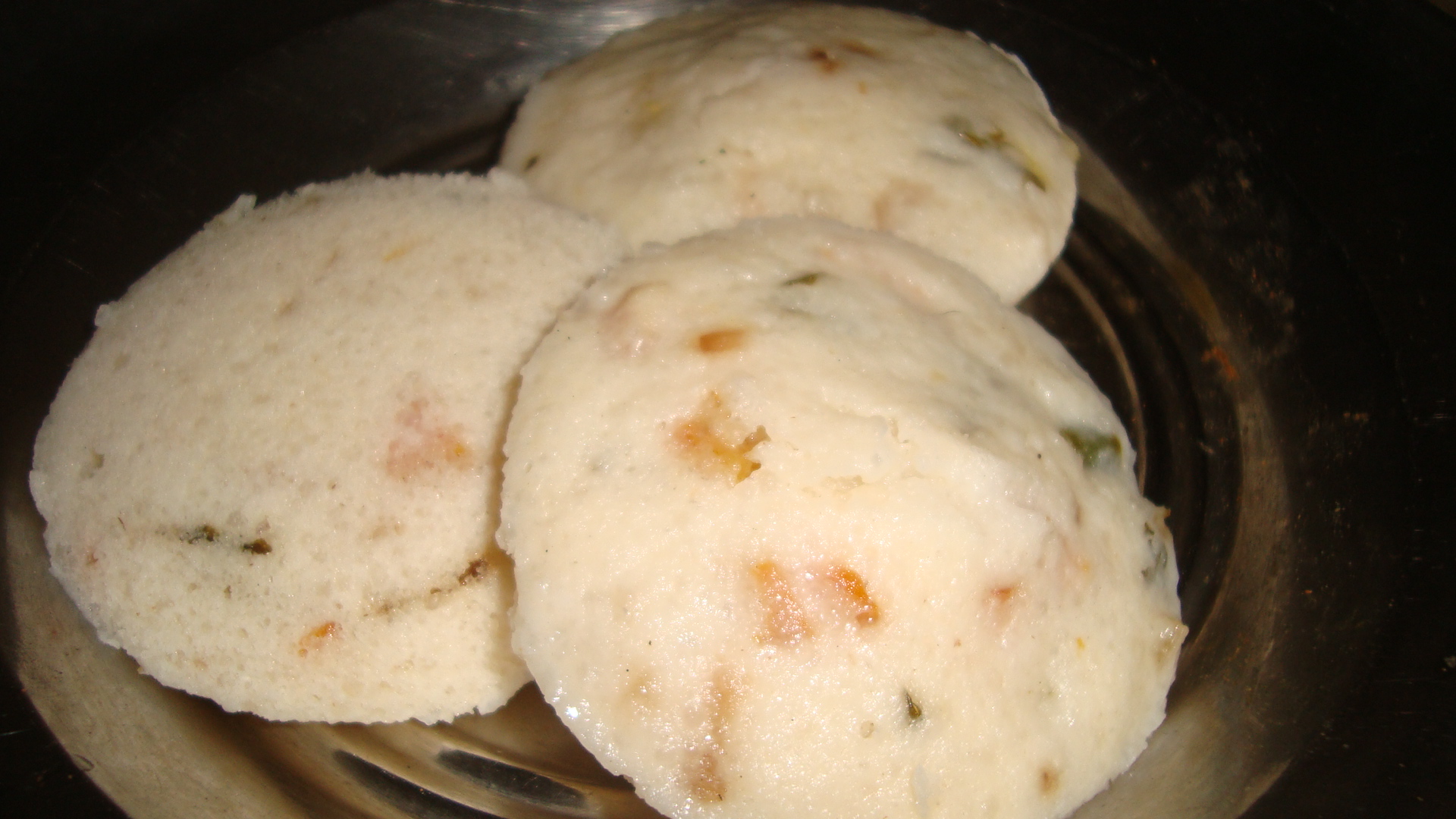
My mother’s idlis and vadais are famous amongst family and friends. So, the two are regularly made at home. Unfortunately, I have never been fond of either and used to often eat instant noodles whenever they were being made at home. On the rare occasions that I did eat them, it had to be only that made by my mother. However, I became a fan the first time I tasted my mother’s experimental mixed veggie idli with sambal. I still don’t eat idlis or vadais outside of my home but I am no longer fussy when idli is on the dinner menu at home.

So, today, I am sharing my mother’s recipe for the mixed veggie idli and sambal.

Mixed veggie idli with sambal

Mixed Veggie Idli

Cooking time: 10 – 15 mins + Soaking and fermenting time: around 12 – 24 hours

Makes 16 idlis

Mixed veggie idli

Ingredients:

  • Urad dal (Black gram) – ½ cup
  • Basmathi or samba rice – ½ cup
  • White raw rice – ¼ cup
  • Carrot – ¼ cup, grated
  • Leeks – ¼ cup, grated
  • Onion – ¼ cup, grated
  • Green chillies – 2, finely chopped
  • Fennel seeds – ½ tsp
  • Curry leaves, finely chopped
  • Coriander leaves, finely chopped
  • Baking powder – 1 tsp (optional)
  • Salt, to taste
  • Oil

Method:

  1. Soak the urad dal, samba or basmathi and white raw rice separately for a minimum of 6 hours.  Overnight soaking is better.
  2. Grind the dal and rice together with a little water to a thick batter consistency, much thicker than pancake batter.
  3. Cover and keep for 6 hours.
  4. After six hours, heat a little oil in a pan and lightly sauté the fennel seeds, chopped onions, curry leaves for a few seconds before adding the carrots, leeks and chillies and fry lightly. Remove from heat and cool.
  5. Stir in the sautéed vegetable mixture and the chopped coriander leaves into the batter mix. Add salt, to taste, baking powder (optional) and a little water so that the batter is easy to pick with a scooping spoon.
  6. Pour the batter onto the idli molds on an idli steamer and steam for about 10 mins.
  7. This batter mix makes 16 idlis.
  8. Serve hot with sambal.

Note: For those who do not have an idli steamer and wish to simply try out this recipe once, the alternative would be to pour the batter into a small bowl placed in a larger bowl with water and steamed, similar to a steamed pudding. The steamed idli can then be overturned onto a plate or tray and then cut into pieces. This would mean though that you would not get the standard or usual shape of idlis and would need to repeat the process a couple of times till the batter mix runs out. Then again, if you do end up liking what you eat, you would probably want to invest in a regular idli cooker with a four or five tiered idli stand for the next time around.

Sambal

Preparation time: 5 mins

Serves 4

Ingredients:

  • Scraped fresh coconut – 1 cup
  • Dried red chillies – 5, chopped
  • Onion – 1, medium sized, chopped
  • Curry leaves – 2 sprigs
  • Oil

Method:

  1. Heat a little oil in a pan and roast separately the chopped red chillies, then the curry leaves, chopped onion and finally the scraped coconut and remove from heat.
  2. Mix all and dry grind them to make the sambal.
  3. Serve with the mixed veggie idli.

Recipe source: Raji Thillainathan.
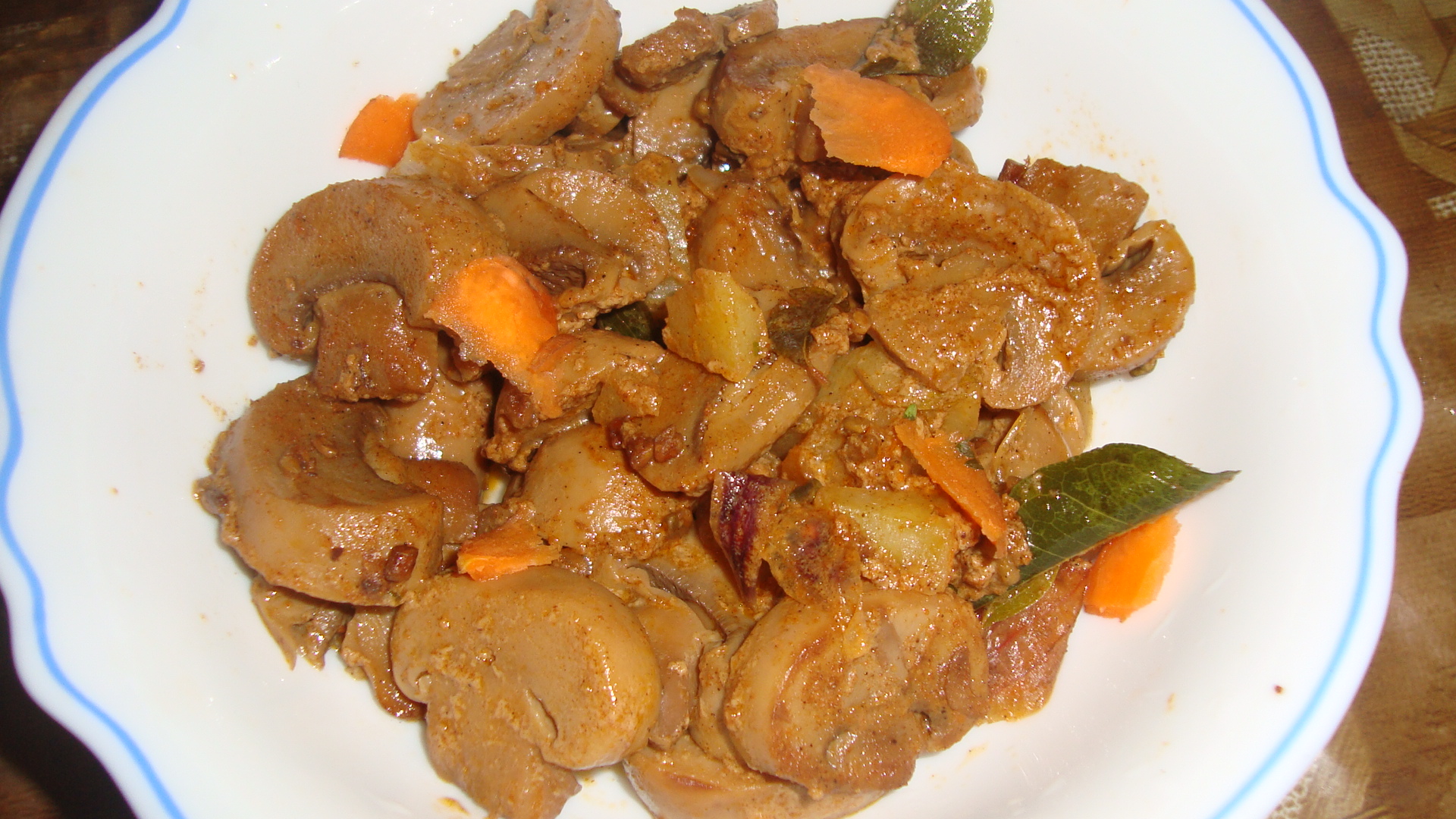
Mushroom curry

My mother tells me that my grandmother was very fond of wild mushrooms and she liked picking them fresh. It seems that mushrooms sprout overnight after a heavy rainfall with a lot of thunder but they turn poisonous once the sun rises and they bloom. My grandmother used to go to her field just before dawn and pick the mushrooms, with its stalks, which grew under a particular huge tree. There were also snake holes around that tree where snakes did live but my grandmother was quite a fearless woman.

While her children and grandchildren no longer neither live near fields nor would we know how to identify good mushrooms and when we should pick them, my grandmother’s fondness for mushrooms has been transferred to everyone at home.

So, here’s my grandmother’s mushroom recipe as remembered and very often replicated at home by my mother.

Mushroom curry

Cooking time: 15 mins

Serves 4

Mushroom curry

Ingredients

  • Mushrooms (Button/Agaricus or Crimini) – 1 cup, sliced
  • Garlic – 3 or 4 cloves
  • Ginger – 1” piece
  • Curry leaves – 2 sprigs
  • Coconut milk – 1 cup (thin or ½ cup coconut milk mixed with ½ cup water) + ¼ cup thick (optional)
  • Curry powder – 1 tbsp
  • Mixed dry roasted spice powder – fennel, cardamom, cinnamon and clove (3C + fennel) – 1 tsp
  • Salt, to taste

Method

  1. Heat 1 tsp oil in a pan and sauté the garlic, ginger and curry leaves.
  2. When the aroma begins to waft about, add the sliced mushrooms and mix well.
  3. Add 1 cup of thin coconut milk and add curry powder and salt. Cook for around 10 to 12 mins.
  4. Add the mixed dry roasted spice powder together with ¼ cup milk, if the curry has dried up or if you prefer it with gravy, and let the curry simmer for a few minutes before removing from heat.
  5. Serve hot with rice or rotis.

Recipe source: Raji Thillainathan.
Mulai keerai aviyal

This is my grandmother’s recipe, as often cooked at home by my mother. Since I was on an Indian culinary journey last month, I realize that this recipe resembles a simpler variant of the Kerala avial, sans the curd.

Mulai keerai aviyal

Cooking time: 10 – 12 mins

Serves 4

Mulai keerai

Ingredients:

  • Amaranth greens/ mulai keerai/ thampala – 2½ cup, washed thoroughly and finely chopped
  • Carrot – ½ cup, sliced
  • Chilli – 1, chopped
  • Onion – 1 small, chopped
  • Garlic – 1 or 2 cloves, chopped
  • Salt to taste
  • Water
  • Scraped coconut – 1 tbsp

Method:

  1. Put the washed and chopped vegetables in a pot with ½ cup of water and salt. Cook till the veggies are tender and the water dries up.
  2. Add the scraped coconut, mix well and cook for another 2 mins.
  3. Serve hot with rice.

Recipe source: Raji Thillainathan.

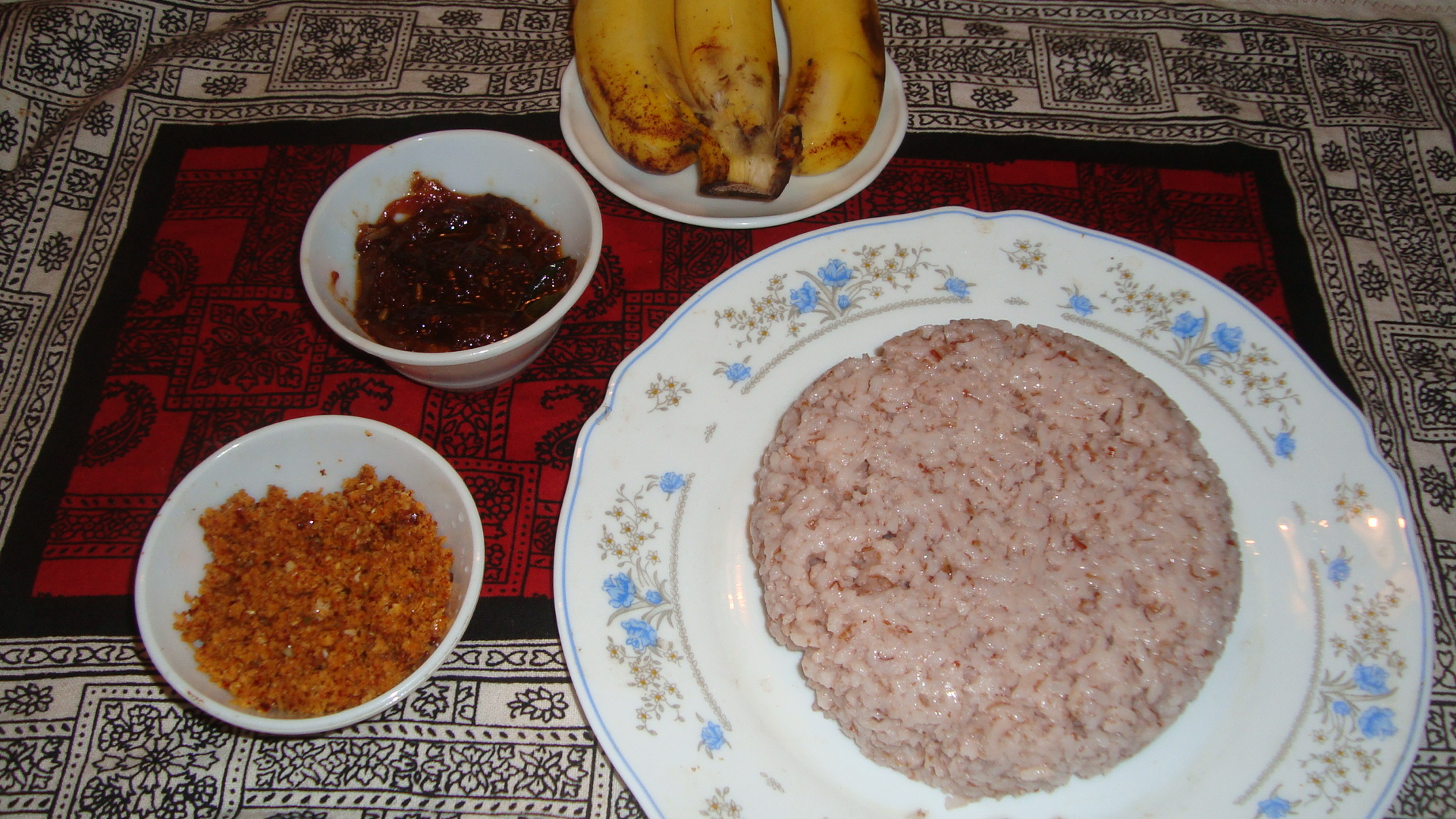
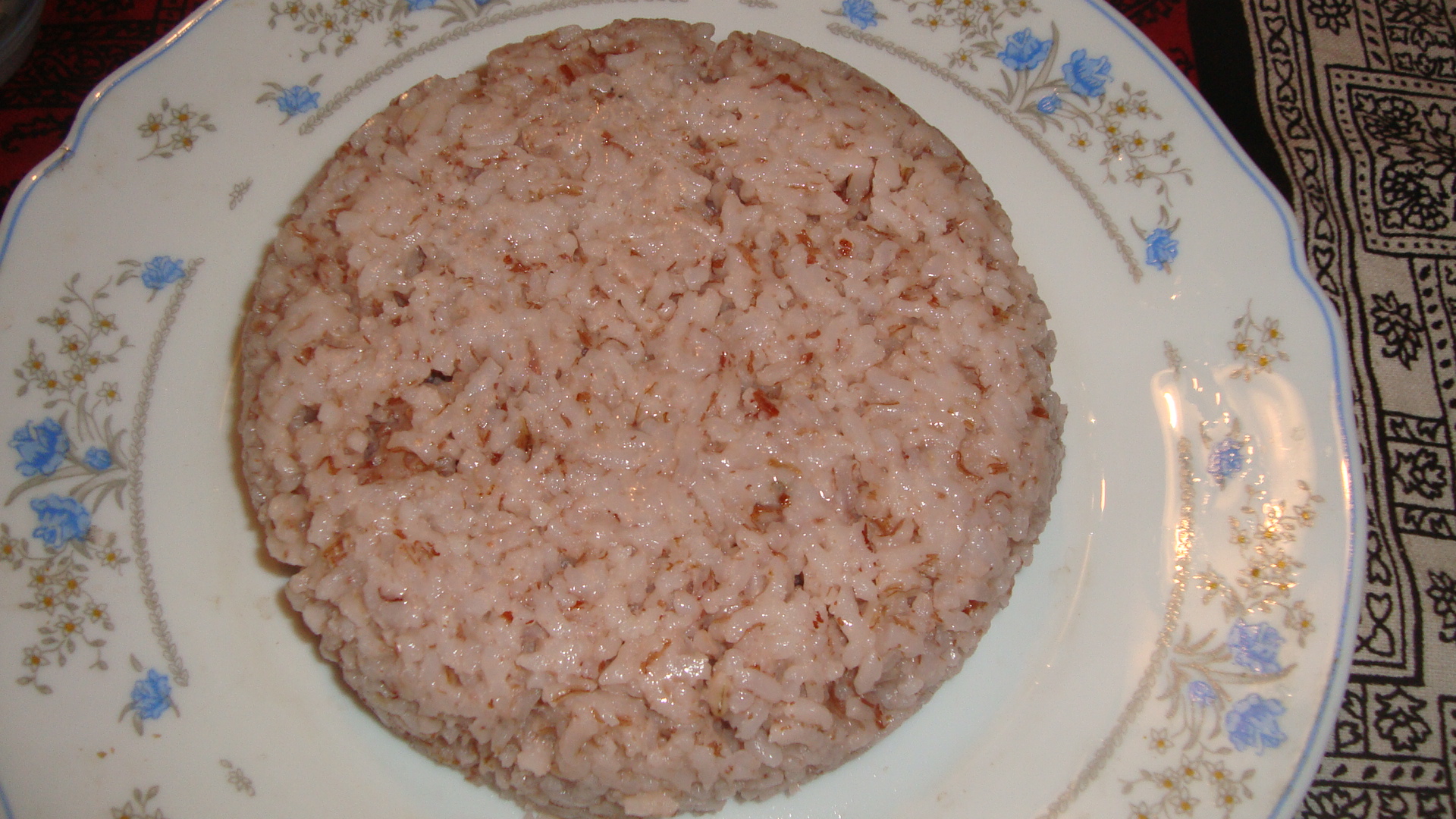
Kiribath with pol sambol and seeni sambol

This is my mother’s version of the traditional South Sri Lankan breakfast. It is very much part of the Sinhalese cuisine and a must during New Year celebrations and birthday breakfasts. I like kiribath, more so than the milk rice equivalent in Tamil cuisine called pongal. Therefore, my mother makes kiribath occasionally at home for breakfast. While I will be posting other kiribath recipes when sent in by friends, I am posting today my mother’s recipe for this coconut milk rice dish and accompaniments.

South Sri Lankan breakfast

The recipes below serve 3 – 4 persons.

(a) Kiribath

Cooking time: 20 to 25 mins

Kiribath

Ingredients:

  • Rice – 1 cup
  • Coconut powder – 3 tbsp
  • Salt, 1 tsp or to taste
  • Water

Method:

  1. Place the rice in a rice cooker and add water to about 2 inches above the surface of the rice. Add the coconut powder and mix. For those who prefer using fresh coconut milk, they can add the coconut milk of medium consistency instead of adding water and coconut powder.
  2. Add salt to the rice and milk mixture and boil the rice.
  3. Once the coconut milk rice has been cooked, it can be put in bowls. Before serving, upturn the molded rice onto a plate or tray.
  4. Serve with pol sambol, seeni sambol and bananas.

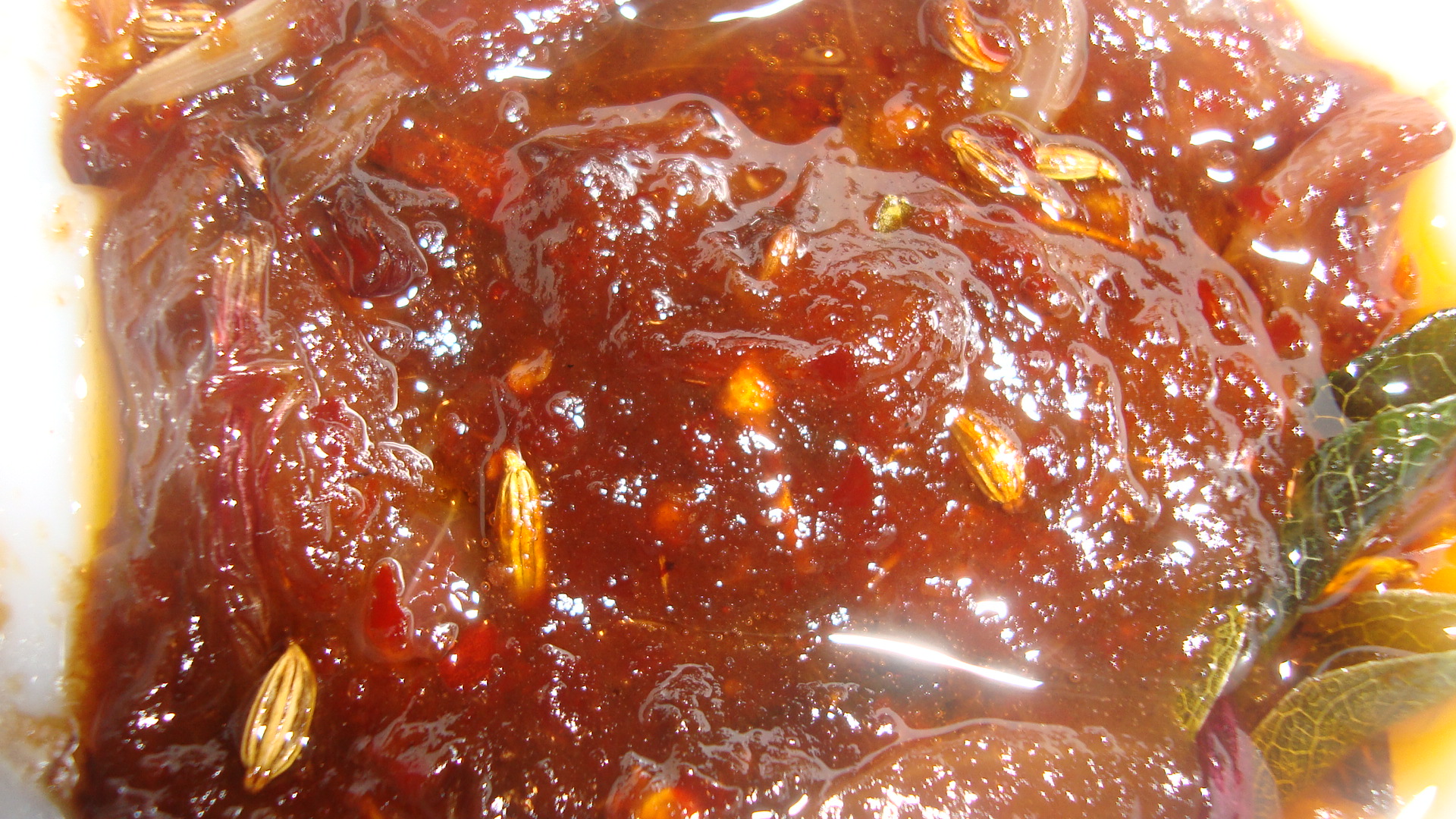
(b) Seeni Sambol

Cooking time: 15 mins

Seeni Sambol

Ingredients:

  • 1 onion, large
  • Fennel seeds – ½ tsp
  • Curry leaves – 1 sprig
  • Cinnamon – 1” stick
  • Tamarind extract – ½ cup extracted from 1 small ball of tamarind
  • Crushed chillies – 1 tsp
  • Sugar – 1 tsp
  • Low fat oil (canola or sunflower) – 1 tbsp

Method:

  1. Chop up the onion in thin, long slices.
  2. Heat 1 tbsp oil in a pan and sauté the fennel seeds, curry leaves and pieces of the cinnamon stick. Add the onions and sauté on low heat, for about 5 – 7 mins, till the onions lightly brown.
  3. Add the tamarind extract of medium consistency and crushed chillies to the pan and cook till the onion sauce thickens.
  4. Add 1 tsp of sugar, mix well and cook for about 2 mins more before removing from heat.
  5. Serve with kiribath.

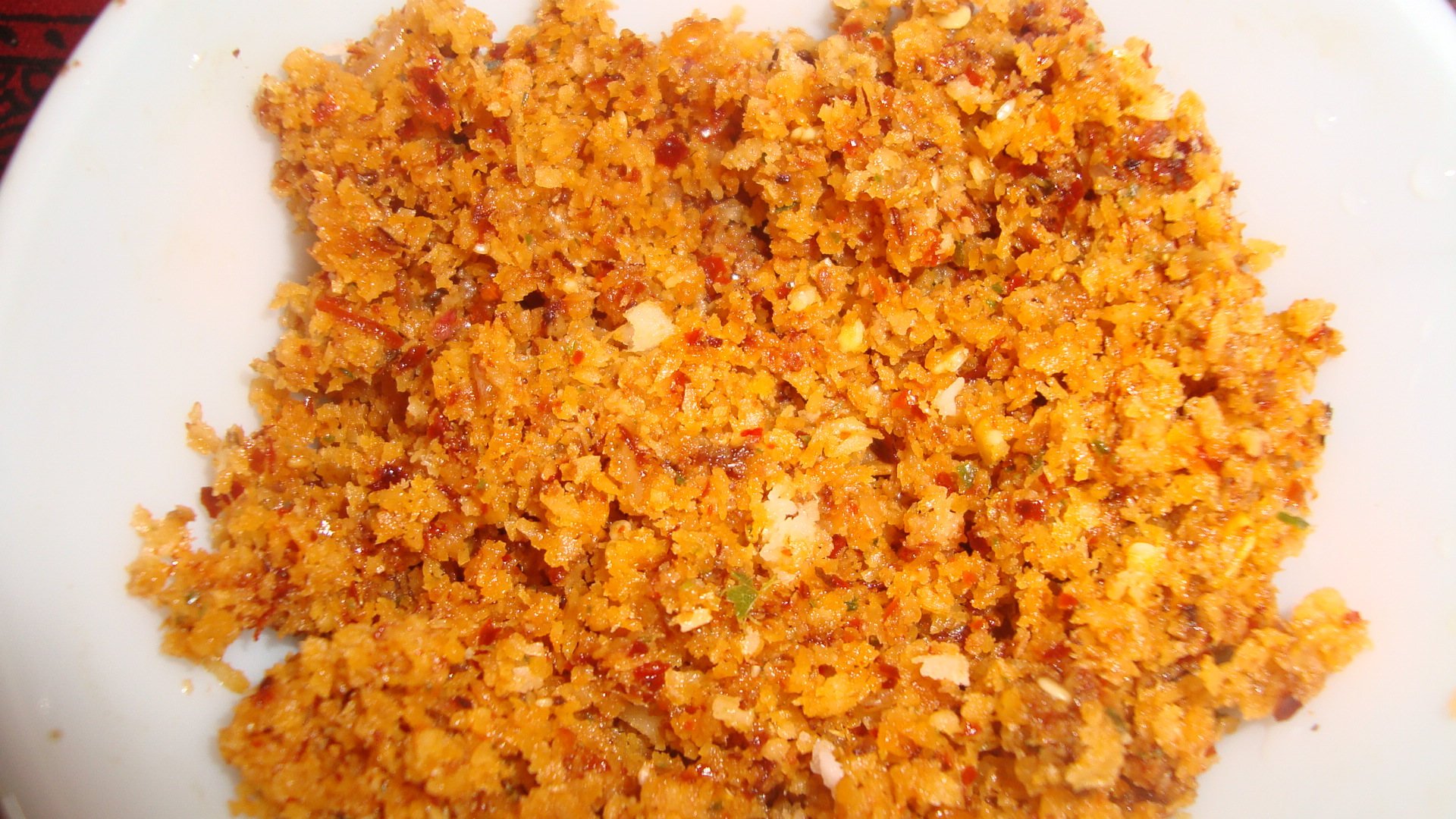
(c) Pol Sambol

Cooking time: 5 to 10 mins

Pol Sambol

Ingredients:

  • Scraped coconut – ½ cup
  • Dried red chillies – 3
  • Onion – 1 small
  • Curry leaves – 1 sprig
  • Low fat oil (canola or sunflower) – 1 tsp

Method:

  1. Chop up the chillies, onion and curry leaves and lightly sauté in a little oil.
  2. Remove the chillies, onion and curry leaves from the oil and mix with the scraped coconut.
  3. Add salt to taste and grind the mixture to a sambol texture.
  4. Serve with kiribath.

Recipe source: Raji Thillainathan.